




Definition and Purpose of the Liability Release Agreement
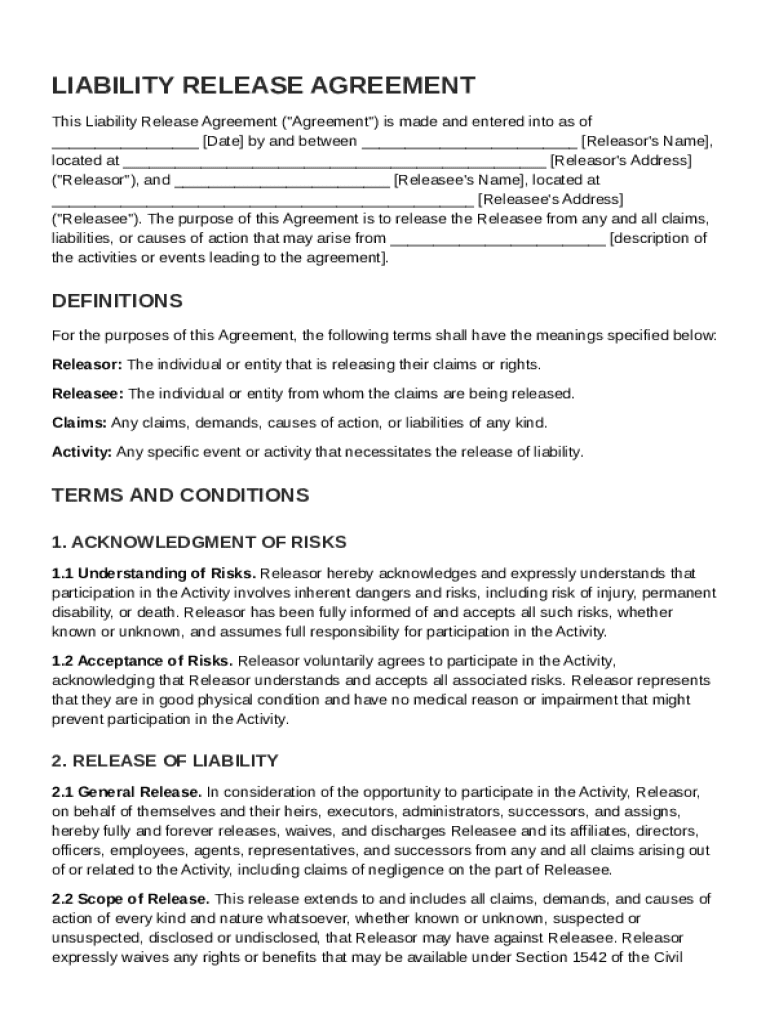
A Liability Release Agreement is a legal document between a Releasor and a Releasee. This agreement ensures the Releasor agrees to release the Releasee from any claims or liabilities that may arise from engaging in specified activities. It is commonly used in situations where there is some level of risk involved, such as sports events, training sessions, or other activities that may result in injury or damage. The core objective of the agreement is to transfer the responsibility for potential risks from the Releasee to the Releasor, who acknowledges these risks and voluntarily agrees to proceed.
- Acknowledgment of Risks: The Releasor recognizes the inherent risks involved in the activity and consents to accept these risks.
- General Release of Liability: This component discharges the Releasee from any responsibility related to incidents, harm, or claims that may surface from the activity.
- Indemnification Provisions: These sections lay the groundwork for the Releasor to indemnify the Releasee against any claims, providing a safeguard against litigation.
Understanding How to Use the Agreement Template
Utilizing a Liability Release Agreement Template involves choosing a reliable source, like DocHub, and customizing the template to suit specific requirements. The process generally starts with downloading the template from the platform. Users can add, remove, or alter sections based on the nature of the activity and the involved parties. Each section should be carefully reviewed to ensure comprehensiveness and clarity.
- Customization Options: Tailor sections to include the specifics of risks, participant roles, and the nature of the activities.
- Legal Language: It's crucial to maintain legal terminology to ensure the agreement is binding and comprehensible in a court of law.
- Consultation: Engaging a legal professional to review the customized form may add credibility and reduce potential legal challenges.
Steps to Complete the Liability Release Agreement Template
Completing the Liability Release Agreement Template can be broken down into several sequential steps to ensure thoroughness:
- Download the Template: Access the form through DocHub or any recommended platform offering the specific template.
- Identify Parties: Clearly state the names of the Releasor and Releasee at the beginning of the document.
- Specify the Activity: Describe the activity being undertaken, noting any pertinent risks that must be acknowledged.
- Outline Risk Acknowledgments: Clearly list known hazards and ensure the Releasor consents to them.
- Include Indemnification Clauses: Add clauses requiring the Releasor to cover any arising liabilities.
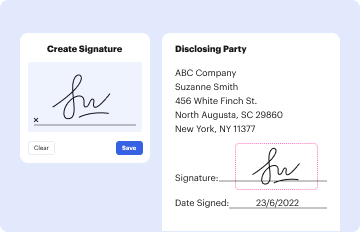
- Finalize with Signatures: Both parties must sign the document in the designated spots to affirm acceptance of its terms.
Key Elements of the Liability Release Agreement Template
The effectiveness of a Liability Release Agreement hinges on the inclusion of key components designed to address the nuances of liability transfer. Here are the crucial elements:
- Governing Law: Specify the state law under which the agreement will be interpreted and enforced.
- Severability Clauses: Include provisions that allow the agreement to remain effective even if parts are deemed unenforceable.
- Stipulations for Amendments: Define the procedure for modifying the agreement post-signing, typically requiring mutual consent.
Legal Considerations for Using the Template
Legal considerations are paramount when crafting and signing a liability release. Ensuring the document's enforceability requires attention to detail and understanding of contract law.
- Legally Binding Language: The agreement must employ language that clearly imposes obligations and rights on involved parties.
- Compliance with the ESIGN Act: Electronic signatures obtained via DocHub are legally compliant under U.S. federal law, ensuring that digital versions of the agreement hold the same legal weight as their paper counterparts.
- Age and Competency: Confirm that the Releasor is of legal age and mentally competent to enter into an agreement to prevent the possibility of future claims of invalidity.
Who Typically Uses the Liability Release Agreement Template
Various entities and individuals might find the need for a Liability Release Agreement, often dictated by the potential risks associated with their services or activities.
- Businesses: Particularly those involved in physical activities such as gyms, adventure sports, or training centers.
- Event Organizers: Coordinators of concerts, fairs, or any public gatherings where risks could be present.
- Educational Institutions: Schools or colleges that involve students in off-campus activities or sports.


State-Specific Considerations for Liability Releases
Because each state may impose different rules regarding liability waivers, it's important to tailor the template to comply with local laws.
Examples of State Variation:
- California: Requires that waivers clearly inform participants of the hazards and provides opportunities to negotiate terms.
- Florida: Has strict guidelines on the wording of releases to ensure the waiver holds up in court.
- New York: Emphasizes that releases must be transparent and written in layman’s terms to ensure comprehensibility by signatories who may not have legal expertise.
Practical Examples of When to Use the Agreement
Understanding when to deploy a Liability Release Agreement can help mitigate potential legal complications:
- Summer Camps: Youth camps often present activities with inherent risks that necessitate a formal acknowledgment of liability.
- Fitness Programs: Personal trainers or gym owners may use these agreements to protect themselves from injuries resulting from workout routines.
- Corporate Events: Companies organizing team-building activities that may involve physical exertion or risk benefit from releasing agreements.
These insights underscore the vital role of a Liability Release Agreement and the importance of a detailed, well-structured template to protect all parties involved effectively.