




Definition & Meaning
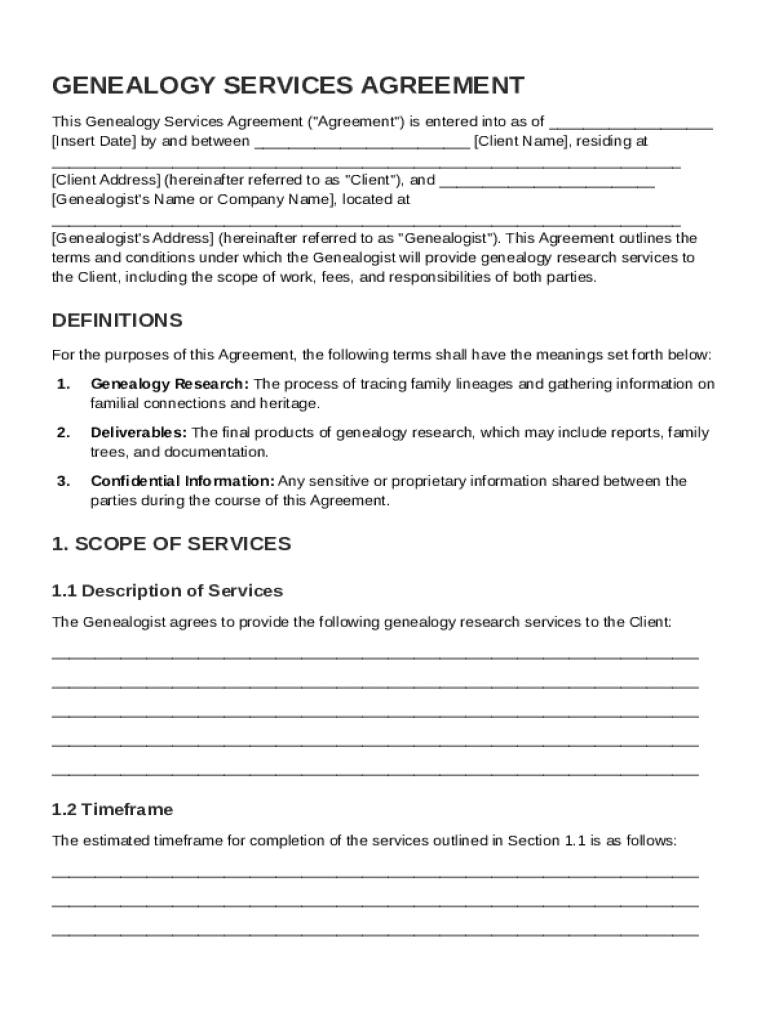
The Genealogy Contract Template is a legally binding agreement used to outline the terms and conditions between a genealogist and a client seeking genealogy research services. This document is essential in clarifying the scope of work, responsibilities of both parties, and various other details that ensure a smooth and professional relationship. It typically includes essential elements like compensation details, intellectual property rights, confidentiality clauses, and procedures for amendments or termination. By providing a standardized format, this template aids both parties in understanding their roles and expectations clearly.
How to Use the Genealogy Contract Template
Using the Genealogy Contract Template involves several key steps to ensure that it captures all necessary details and serves its purpose effectively:
- Initial Review: Start by carefully reading the entire template to understand its structure and the information it requires.
- Customization: Modify sections where necessary to fit the specific circumstances and requirements of the services being contracted. This step is crucial for accommodating unique project details or legal provisions specific to your state.
- Consultation with Parties: Discuss the template with all involved parties to agree on terms, such as payment schedules, deadlines, and deliverables.
- Finalization: Once all amendments are made and agreed upon, the template should be reviewed for accuracy and completeness before signing.
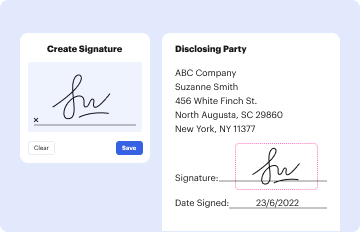
- Execution: Both parties should sign the document to make it legally binding. Consider utilizing digital signatures for efficiency and traceability.
Steps to Complete the Genealogy Contract Template
Completing the Genealogy Contract Template involves a series of detailed steps:
- Enter Parties’ Information: Fill out the names and contact details of both the client and the genealogist. This establishes who is involved in the agreement.
- Define Scope of Services: Clearly outline the genealogy research services to be provided. Specify what is included and what is excluded to avoid misunderstandings.
- Compensation and Payment Terms: Specify how the genealogist will be compensated, including the fee structure, payment method, and payment schedule.
- Outline Responsibilities: Detail the obligations and responsibilities of both the genealogist and the client throughout the project’s duration.
- Include Confidentiality and IP Rights Clauses: Clearly state the terms regarding the use and ownership of any research findings and ensure that confidentiality is maintained.
- Detail Amendment and Termination Conditions: Address how changes to the contract will be handled and the conditions under which the contract can be terminated.
Key Elements of the Genealogy Contract Template
The Genealogy Contract Template should encompass several critical components to ensure comprehensive coverage of the agreement’s terms:
- Project Scope: Details exactly what research services will be performed.
- Deliverables: Lists the tangible outputs, such as reports or family trees, that the client will receive.
- Timeframe: Establishes the start and end dates of the project, as well as any milestone dates.
- Communication: Outlines preferred methods and frequency of communication throughout the project.
- Confidentiality Clause: Protects sensitive information shared during the project.
- Amendment Procedures: Describes how modifications to the contract will be handled if required.
State-Specific Rules for the Genealogy Contract Template
While the Genealogy Contract Template provides a general framework, it is crucial to consider state-specific rules that may affect its terms:
- Legal Requirements: Certain states may have specific requirements for contracts involving research services.
- Consumer Protection Laws: Vary from state to state and may impose additional obligations on service providers.
- Notarization: Some states might require contracts of this nature to be notarized for them to be enforceable.
- Licensing Requirements: Genealogists in some states may need specific credentials or licenses, impacting their ability to legally engage in contracts.
Who Typically Uses the Genealogy Contract Template
The Genealogy Contract Template is primarily utilized by:
- Professional Genealogists: Engaged in providing research services to individuals or organizations seeking to uncover their ancestry.
- Clients: Individuals or entities seeking professional assistance in tracing family histories and lineage.
- Genealogy Companies: Firms that specialize in historical research and family tree construction for clients, often engaging in multiple contracts.

Important Terms Related to the Genealogy Contract Template
Understanding critical terms commonly associated with the Genealogy Contract Template can prevent misinterpretations:
- Client: The individual or organization hiring genealogy services.
- Genealogist: The professional providing research services.
- Deliverables: Final outputs provided to the client, such as lineage reports.
- Amendment: Modifications made to an existing contract post-agreement.
- Termination: The process of legally dissolving the contract between parties.
- Confidentiality: Legal obligation not to disclose any sensitive information without the other party’s consent.
Legal Use of the Genealogy Contract Template
The legal use of the Genealogy Contract Template depends on compliance with applicable laws and ethical standards:
- Compliance with ESIGN Act: If signed electronically, the contract must comply with the ESIGN Act to ensure its legal enforceability.
- Fair Terms: The agreement should outline fair and reasonable terms for both parties, with explicit consent required from both sides.
- Informed Consent: Parties must fully understand the contract’s terms before signing, ensuring informed agreement.
- Dispute Resolution: The contract should include a clearly defined procedure for resolving disputes to avoid legal complications down the line.