




Definition and Purpose of the Composer Contract Template
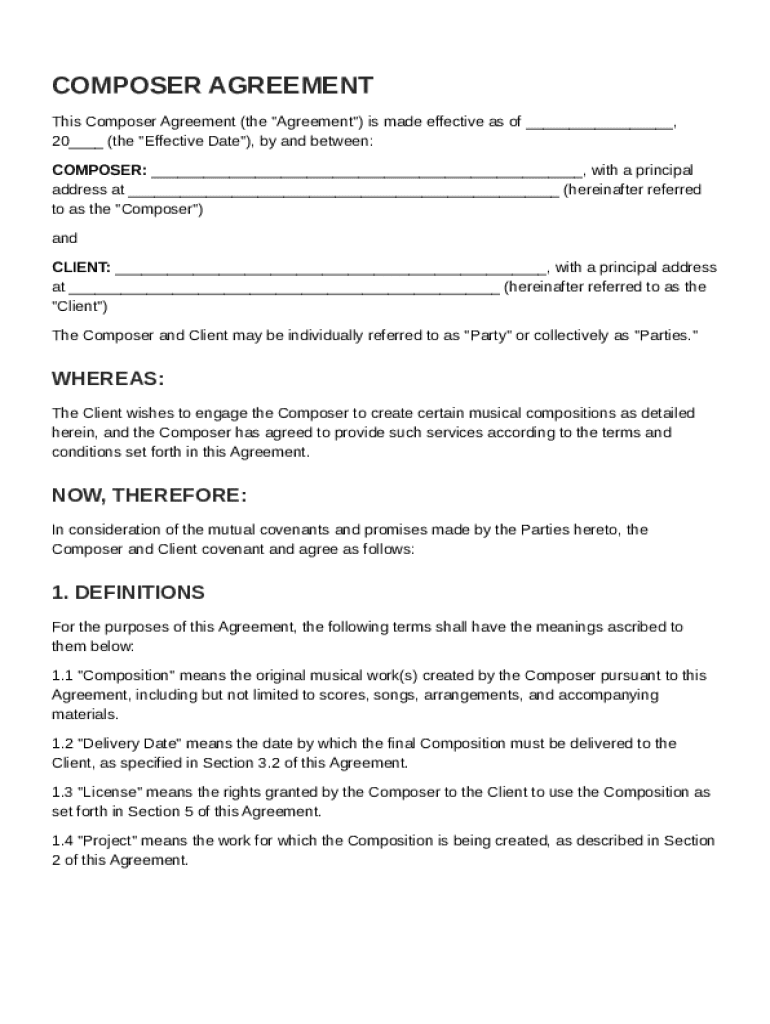
The Composer Contract Template is a predefined document framework that outlines the agreement between a composer and a client for the creation of original musical compositions. This template is designed to formalize the relationship and ensure that both parties have a clear understanding of their rights, responsibilities, and expectations. It includes critical elements such as the scope of work, compensation terms, ownership rights, and confidentiality clauses. By utilizing this template, both the composer and client can avoid potential disputes and misunderstandings, ensuring a professional and productive collaboration.
Key Elements of the Composer Contract Template
The Composer Contract Template contains several essential elements that ensure the agreement is comprehensive and legally binding. These components include:
- Definitions of Key Terms: Clear definitions of terms used throughout the document, such as "composer," "client," and "composition," to avoid ambiguity.
- Scope of Work: A detailed description of the compositions to be created, including any specific themes, styles, or instruments to be used.
- Compensation Structure: Information on how the composer will be paid, including upfront fees, royalties, and any performance bonuses.
- Rights and Ownership: Clauses outlining the ownership of the compositions, specifying whether rights are transferred to the client or retained by the composer.
- Revision Policies: Guidelines for revisions, including the number of allowed revisions and any associated costs or deadlines.
- Confidentiality Clauses: Provisions to protect sensitive information shared between the parties during the project.
- Termination Conditions: Terms under which the agreement may be terminated, either mutually or unilaterally, and the effects of such termination.
- Indemnification Provisions: Clauses protecting one or both parties from potential legal claims or liabilities related to the project.
How to Use the Composer Contract Template
Using the Composer Contract Template involves several strategic steps to ensure it is tailored to the specific needs of the composer and client. Here is a recommended approach:
- Review Content: Begin by thoroughly reviewing the entire template to understand the standard terms and identify areas that require customization.
- Customize Details: Update sections that require specific information, such as the names of the parties, the scope of work, deadlines, and payment terms.
- Consult Legal Expertise: Consider consulting a legal professional to ensure that modifications comply with applicable laws and protect the interests of both parties.
- Discuss with Stakeholders: Share the customized template with the client to discuss and negotiate any changes before finalizing the document.
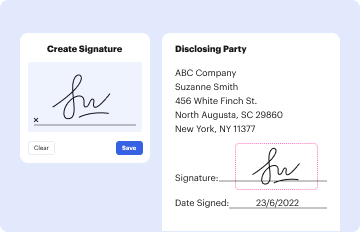
- Finalize and Sign: Once both parties agree on the terms, finalize the document and proceed to electronic signing for legal enforcement and record-keeping.
Who Typically Uses the Composer Contract Template
The Composer Contract Template is a vital tool for various individuals and organizations involved in the music industry. Typical users include:
- Professional Composers: Those who create musical works for films, television, video games, or live performances.
- Music Production Companies: Businesses that contract composers to produce exclusive tracks or soundtracks.
- Film and Media Producers: Individuals or entities seeking to hire composers for original scores for visual media projects.
- Educational Institutions: Schools and universities that commission composers for educational purposes or events.
- Non-Profit Organizations: Groups using original music for charity events, awareness campaigns, or artistic projects.

Legal Use of the Composer Contract Template
The Composer Contract Template must be used according to legal guidelines to ensure its enforceability. Important legal considerations include:
- Compliance with Music and Copyright Laws: The contract should comply with existing music and copyright laws to protect intellectual property rights.
- State-Specific Legal Requirements: Variations in state laws concerning contracts and copyright may require additional clauses or adjustments.
- Adherence to Industry Standards: The template should reflect standard industry practices to facilitate acceptance and legal validation.
- Electronic Signature Legality: Use legally recognized electronic signatures to ensure that the contract is binding, following acts like the ESIGN Act.
Steps to Complete the Composer Contract Template
Completing the Composer Contract Template involves a series of methodical steps to ensure accuracy and completeness. Follow these steps:
- Input Personal and Party Information: Enter the legal names and contact details of the composer and client.
- Detail the Scope of Work: Clearly describe the compositions to be developed, including specifications and deliverables.
- Set Compensation Terms: Define how payment will be processed, including scheduled payments and any conditions for additional fees.
- Clarify Ownership and Rights: Specify whether rights are being transferred or retained, and under what conditions.
- Establish Revision Protocols: Define the process and limit for revisions to prevent extended project timelines.
- Review and Discuss: Go through the template with the involved parties for mutual agreement and necessary adjustments.
- Finalize and Execute: Once agreed upon, finalize the document and facilitate electronic signatures for both parties.
Important Terms Related to the Composer Contract Template
Understanding key terms is crucial for effectively using the Composer Contract Template. Important terms include:
- Work-for-Hire: Refers to compositions created specifically for a client which typically results in rights transfer to the client.
- Royalty, Licensing: Type of payment structure allowing composers to earn ongoing income from their works' usage.
- Non-Disclosure Agreement (NDA): A clause ensuring that confidential information remains protected from unauthorized disclosure.
- Force Majeure: Legal terms that excuse a party from liability if performance is prevented by unforeseeable and uncontrollable events.
Examples of Using the Composer Contract Template
Scenario-based examples help illustrate the practical applications of the Composer Contract Template:
- Film Production: A film producer contracts a composer to create an original score for an upcoming movie. The template clearly outlines the deliverables, payment milestones, and transfer of ownership rights upon completion.
- Video Game Development: A gaming company hires a composer to develop a soundtrack for a new video game. The contract specifies exclusive use of the compositions and includes clauses for future royalties based on game sales.
- Live Performance: An orchestra commissions a composer for a new piece to be performed at a public event. The template includes performance rights and potential additional compensation for future performances.
By ensuring these sections are included and understanding their context and purpose, users can leverage the Composer Contract Template to establish clear, enforceable agreements in the music industry.