






Definition and Meaning of Repository Contract Template
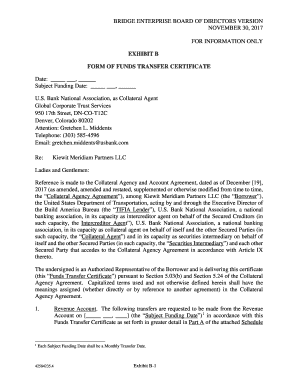
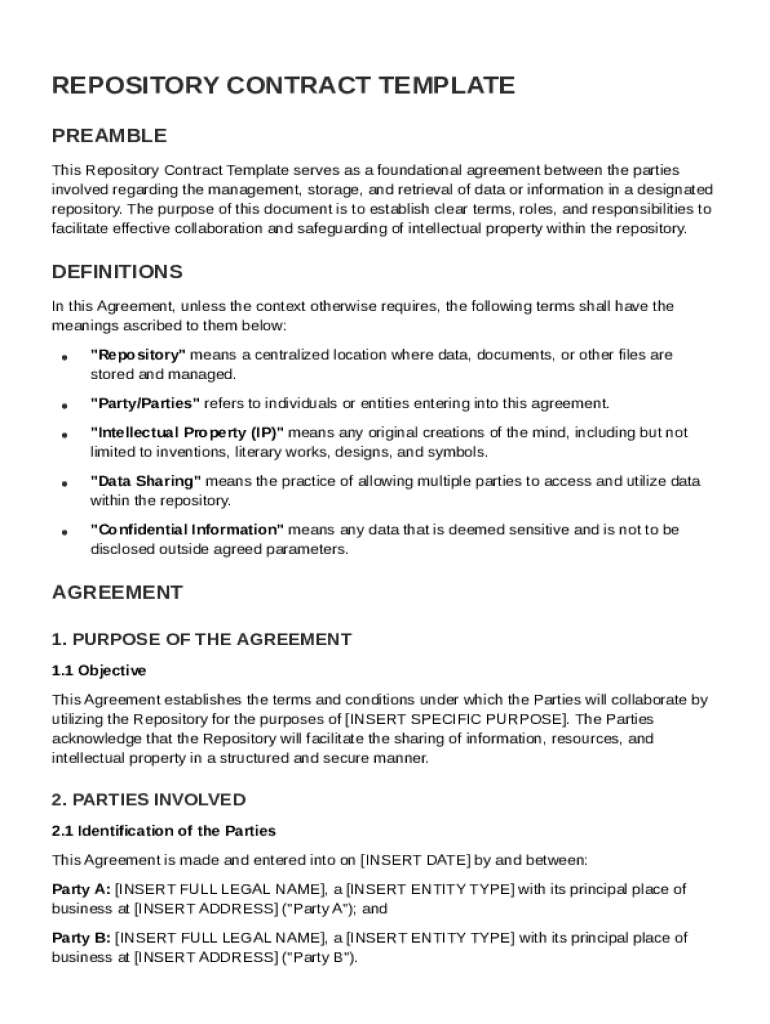
The "Repository Contract Template" is a legally binding document designed to manage, store, and retrieve data within a repository environment. It outlines the necessary framework between various parties, typically including a Repository Manager and Contributors. This agreement aims to define roles and responsibilities, usage rights, and confidentiality obligations to ensure smooth data handling and secure collaboration. It further incorporates intellectual property rights, security measures, and protocols for data sharing. This template also addresses potential amendments, termination conditions, dispute resolution, and additional clauses to facilitate effective teamwork while safeguarding intellectual property.
How to Use the Repository Contract Template
Using the Repository Contract Template involves a series of methodical steps that ensure comprehensive and accurate fulfillment of its provisions. Initially, both parties should review the template thoroughly to understand its sections and stipulations fully. The Repository Manager and Contributors must then input specific details, such as the parties' names, roles, and responsibilities. It is also crucial to detail data usage rights, intellectual property clauses, and confidentiality agreements to align expectations.
- Start with reviewing the pre-filled sections to confirm relevancy and accuracy.
- Input specific information, like names, project details, and particular responsibilities.
- Negotiate terms for intellectual property rights and confidentiality to ensure both parties are protected.
- Customize security measures and data sharing protocols as per project requirements.
- Include miscellaneous clauses that address potential contractual amendments or termination scenarios.
Once complete, review the finalized template with legal professionals to ensure compliance with relevant laws. Both parties should sign the contract electronically using platforms such as DocHub, ensuring the electronic signature complies with the ESIGN Act.
Steps to Complete the Repository Contract Template
Completing the Repository Contract Template requires careful attention to detail to ensure all necessary components are properly addressed. Follow this structured approach:
- Review the Template: Both potential parties should assess the template's sections to ensure it aligns with the intended data management scope.
- Personalize Content: Fill in essential details about the parties involved, including their names, roles, and specific responsibilities.
- Establish Clear Terms: Lay out terms for data management and usage rights.
- Detail Security Measures: Specify security protocols and measures to protect data integrity.
- Include Legal Clauses: Ensure legal clauses cover intellectual property rights, confidentiality obligations, dispute resolution, and potential amendments.
- Seek Legal Review: Have legal professionals review the document to validate its compliance and relevance.
- Finalize and Sign: Apply electronic signatures through an authorized and compliant platform, acknowledging mutual agreement and acceptance of the terms outlined.
Key Elements of the Repository Contract Template
The Repository Contract Template contains key elements that structure and facilitate collaboration among parties. These elements are vital for outlining comprehensive agreements and protecting interests.
- Roles and Responsibilities: Defines the specific contribution and accountability of parties involved.
- Data Usage Rights: Specifies the extent and manner in which data can be utilized by the parties.
- Intellectual Property Rights: Protects parties' innovations and contributions by clearly demarcating ownership.
- Confidentiality Obligations: Enforces obligations on how confidential information is handled to prevent unauthorized disclosure.
- Security Measures: Establishes protocols for data protection, including encryption and access control.
- Dispute Resolution: Outlines the steps and methods for resolving conflicts that may arise from the agreement.
- Amendments and Termination: Provides the process for modifying or terminating the contract under agreed conditions.
Legal Use of the Repository Contract Template
The legal use of the Repository Contract Template ensures compliance with relevant laws and regulations. This template should be utilized within the boundaries of contractual law to formalize agreements regarding data repository management.
- Compliance with ESIGN Act: Electronic signatures on the contract must comply with the ESIGN Act to ensure validity.
- Data Protection Laws: Ensure that confidentiality clauses align with existing data protection laws.
- Intellectual Property Laws: Adherence to intellectual property laws is critical when drafting related clauses.
- Negotiated Agreements: Both parties must understand and consensually agree to the terms to avoid potential legal disputes.
Seek legal counsel to review the document, ensuring it adequately abides by national, state, and local regulations relevant to the United States.
Business Types That Benefit Most
Certain types of businesses stand to benefit significantly from utilizing the Repository Contract Template due to its structured approach to managing data.
- Research Institutions: where large datasets are collaboratively used and require structured access protocols.
- Tech Companies: that manage software or data-related projects and require clear agreements between developers.
- Educational Institutions: utilizing data repositories within collaborative educational networks.
- Consulting Firms: requiring secure data management and intellectual property agreements when working with various clients.
These businesses use the template to formalize collaborations, protect intellectual property, and set clear expectations on data management.
Examples of Using the Repository Contract Template
Deploying the Repository Contract Template can be exemplified in numerous practical situations. For instance, a technology firm collaborating with a freelance developer could use this template to establish clear terms around data usage and intellectual property. A university department that shares research data with partner institutions could implement the template to regulate access and confidentiality obligations. Additionally, consulting firms working with a variety of third-party clients often use this type of document to outline secure data sharing and intellectual property rights.
Real-world scenario: A biotech company working with independent consultants could utilize this contract to secure proprietary research data. The template would clarify the consultant's access rights, confidentiality obligations, and ownership of any derivative inventions.
Digital vs. Paper Version Considerations
Choosing between a digital or paper version of the Repository Contract Template involves considering the advantages of each format.
Digital Version
- Enhanced Accessibility: Digital versions are easily accessible on multiple devices, promoting collaboration across different locations.
- Eco-Friendly: Reduces paper usage and supports environmentally sustainable practices.
- Automatic Updates and Integration: Offers seamless integration with tools like Google Workspace for streamlined collaboration.
Paper Version
- Tangible Records: Some may prefer the physical documentation for recordkeeping or archival processes.
- Formal Presentation: Certain situations may merit a formal, printed document for traditional business settings.
The digital version, particularly through platforms such as DocHub, offers efficiency and convenience, supporting electronic signature capabilities compliant with the ESIGN Act.
Important Terms Related to Repository Contract Template
Comprehensive understanding of key terms related to the Repository Contract Template enhances its effective use:
- Repository Manager: The individual or entity responsible for overseeing the repository's operations and compliance.
- Contributors: Parties who provide data, skills, or expertise to the repository.
- Confidentiality Agreement: A clause that prevents unauthorized sharing or leakage of sensitive information.
- Intellectual Property Rights: Legal entitlements concerning the ownership of ideas or inventions produced by contributors.
- Data Usage Rights: Allocate and limit the manner in which data can be accessed and used by involved parties.
- Security Protocols: Predefined measures to ensure data integrity, confidentiality, and availability within the repository.
Understanding these terms is crucial for drafting precise contracts that protect the interests of all involved parties.