






Definition & Meaning
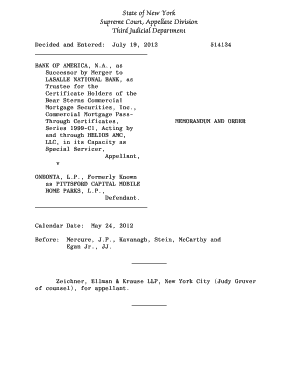
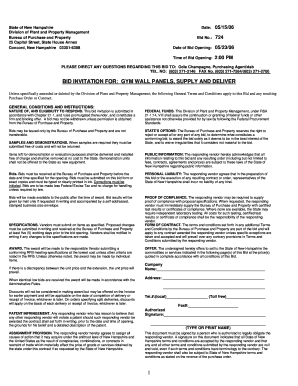
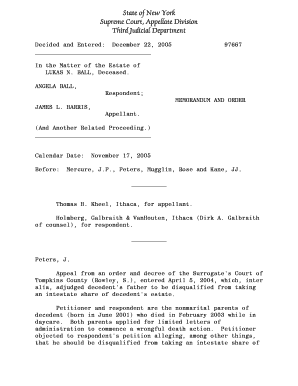
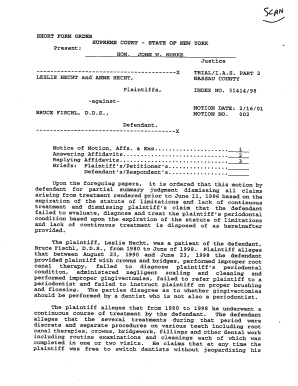
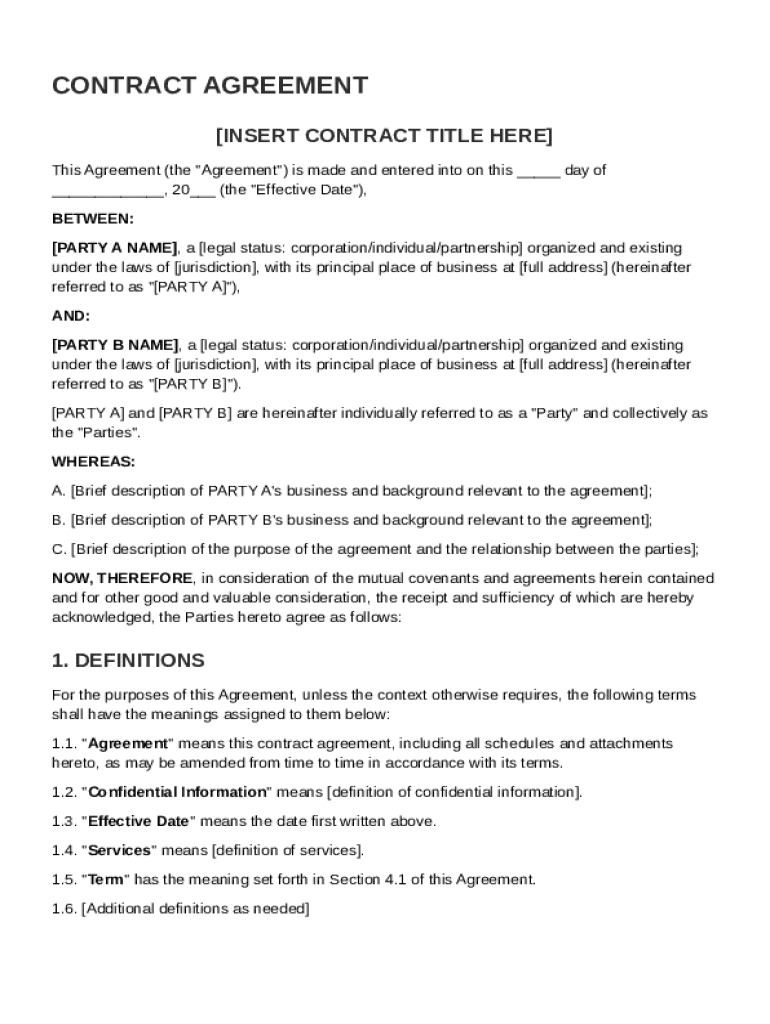
An "Official Contract Template" is a standardized document designed to facilitate the creation of legally binding agreements between two or more parties. It serves as a foundational framework that outlines essential terms and conditions governing the relationship or transaction, including roles, responsibilities, compensation, confidentiality, and dispute resolution procedures. This template ensures that all necessary legal components are included, allowing parties to draft contracts efficiently and consistently while minimizing the risk of overlooking critical details.
Key Elements of the Official Contract Template
The Official Contract Template typically includes several key elements to ensure comprehensive coverage of the agreement:
- Parties Involved: Identification of the parties entering the agreement, often referred to as [PARTY A] and [PARTY B].
- Scope of Work: Detailed description of the tasks, deliverables, or services to be provided, ensuring clarity in the expectations of both parties.
- Compensation: Specification of payment terms, including amounts, schedules, and methods of payment.
- Confidentiality: Clauses designed to protect sensitive information shared between parties during the execution of the agreement.
- Dispute Resolution: Procedures for addressing disagreements, including mediation, arbitration, or litigation options.
- Governing Law: Specification of the jurisdiction and legal framework under which the contract is interpreted and enforced.
Steps to Complete the Official Contract Template
- Review Template Sections: Familiarize yourself with the entire document to understand the clauses and their implications.
- Fill in Party Details: Enter the full legal names and contact details of all parties involved.
- Define the Scope of Work: Specify what tasks or services are expected and any relevant deadlines.
- Set Payment Terms: Clearly outline how and when payments will be made, including any contingencies.
- Agree on Confidentiality: Determine the extent of information protection required and include provisions accordingly.
- Specify Dispute Resolution: Decide on the method for handling any potential disputes that may arise.
- Review and Revise: Conduct a thorough review and make any necessary adjustments before obtaining signatures.
Legal Use of the Official Contract Template
The Official Contract Template is used to formalize agreements that require legal enforceability. It complies with relevant laws and regulations, such as those governed by the ESIGN Act for electronic signatures. Contracts drafted using this template can be foundational in business transactions, service agreements, and sales contracts. Its structured design ensures that all legal components are addressed, providing a secure basis for contractual obligations.
Important Terms Related to Official Contract Template
- Indemnification: A clause ensuring one party compensates the other for any harm or loss arising out of the contract.
- Force Majeure: Provision that frees parties from liability under extraordinary circumstances beyond control, like natural disasters.
- Termination Clause: Specifies conditions under which the contract may be ended before the agreed-upon term expires.
- Amendment: Describes how the contract can be altered post-signature, requiring mutual agreement by all parties involved.
Why Should You Use the Official Contract Template
Utilizing an Official Contract Template offers several advantages:
- Consistency: Ensures that all contracts adhere to a uniform format and include all necessary clauses.
- Efficiency: Saves time by providing a ready-made structure, reducing the need for drafting from scratch.
- Risk Mitigation: Reduces the chances of omitting critical legal terms that might otherwise lead to disputes or non-compliance.
- Professionalism: Presents a polished and comprehensive agreement that signifies a formal commitment by all parties.
Who Typically Uses the Official Contract Template
The Official Contract Template is widely used by:
- Businesses: Companies requiring formal agreements with clients, suppliers, or partners.
- Freelancers and Contractors: Independent workers who need clear, legally binding contracts with clients.
- Legal Professionals: Attorneys drafting starter contracts for clients, which can be customized for specific needs.
- Government Entities: Public sector organizations that need standardized agreements for procurement and services.


State-Specific Rules for the Official Contract Template
While the Official Contract Template provides a generalized framework, certain elements may need adjustment based on state laws:
- State Requirements: Some states may have specific regulations regarding contract terms, such as non-compete clauses or interest rates on late payments.
- Governing Law: Each contract should reference the state's legal framework governing it, affecting interpretation and enforcement.
- Recording and Certification: Specific types of contracts might need to be notarized or filed with a state authority for legitimacy or public record.
Penalties for Non-Compliance
Failing to comply with the terms outlined within an Official Contract Template, or omitting required legal elements, can result in significant penalties:
- Legal Action: Parties may face lawsuits for breach of contract, leading to costly legal fees and settlement payouts.
- Damages: Financial compensation may be demanded for losses incurred due to non-compliance.
- Void Contracts: Non-compliance with certain legal requirements might render the contract unenforceable in court, negating any protections or obligations initially established.