Distributorship Agreement Template 2026

Get Form
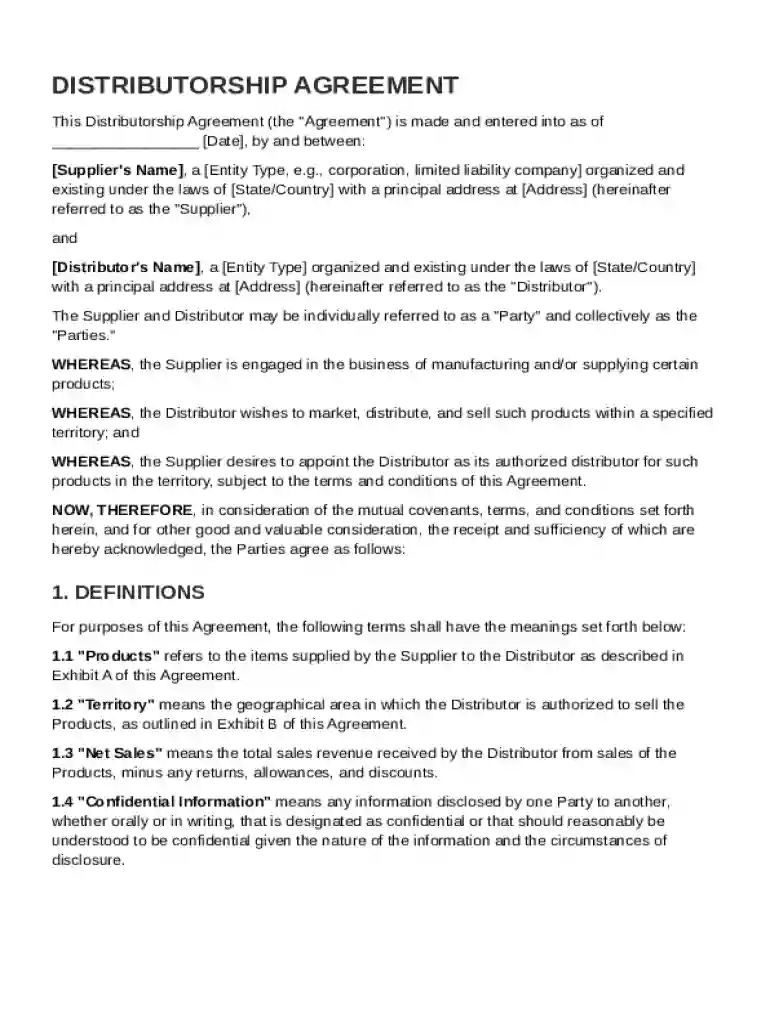
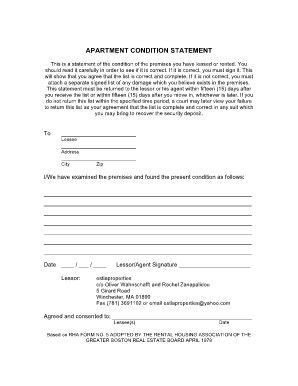
Distributorship Agreement Template Preview on Page 1

Here's how it works

01. Edit your form online
Type text, add images, blackout confidential details, add comments, highlights and more.

02. Sign it in a few clicks
Draw your signature, type it, upload its image, or use your mobile device as a signature pad.

03. Share your form with others
Send it via email, link, or fax. You can also download it, export it or print it out.

Key Elements of the Distributorship Agreement Template

Distributorship Agreement Templates are vital in defining the terms and conditions between a supplier and a distributor. These agreements typically include critical components that ensure both parties understand their roles and responsibilities.

  • Product Descriptions: Clearly outlines the products covered under the agreement.
  • Territory: Specifies the geographical area where the distributor is authorized to market and sell the products.
  • Performance Metrics: Includes targets such as sales quotas and deadlines to evaluate distributor performance.
  • Pricing and Payment Terms: Details the payment structure, including pricing, discounts, and due dates.
  • Confidentiality Clauses: Ensures that sensitive information remains secure between both parties.
  • Intellectual Property Rights: Defines rights related to trademarks, patents, or proprietary technology.
  • Liability and Indemnification: Addresses responsibility for damages or losses.

Each section is crafted to protect the interests of both the supplier and distributor, forming the foundation for a successful business relationship.

Steps to Complete the Distributorship Agreement Template

Completing a Distributorship Agreement Template involves several detailed steps to ensure comprehensive coverage:

  1. Identify the Parties: Clearly specify the supplier and distributor names and addresses.
  2. Define the Products and Territory: Detail the products and the geographic region they cover.
  3. Outline Obligations: Specify what each party is obligated to do under the agreement.
  4. State Performance Expectations: Include sales targets and timelines.
  5. Include Financial Terms: Ensure the agreement includes pricing, payment terms, and currency.
  6. Review the Confidentiality Terms: Protect proprietary information by specifying confidentiality clauses.
  7. Establish Termination Conditions: Determine how either party can terminate the agreement and under what conditions.

Each step requires careful consideration to accurately reflect the intentions and expectations of both parties, ensuring clarity and mutual understanding.

Legal Use of the Distributorship Agreement Template

Using a Distributorship Agreement Template legally is crucial to ensuring that the arrangement is enforceable.

  • Validity and Enforceability: Ensure the agreement complies with local and federal laws.
  • Compliance: Adhere to industry regulations and guidelines, which may vary by region.
  • Independent Contractor Status: Reaffirm that the distributor acts as an independent entity, not an employee.
  • Dispute Resolution: Include procedures for resolving conflicts, such as mediation or arbitration.

Legal review is often recommended to confirm the agreement aligns with applicable legal standards and provides appropriate protections.

How to Use the Distributorship Agreement Template

Here’s a guide to effectively using a Distributorship Agreement Template:

  • Customize the Template: Tailor generic sections to fit the specific needs of your particular arrangement.
  • Consult with Legal Counsel: Ensure all terms are legally sound.
  • Communicate with Stakeholders: Engage with the distributor and any relevant parties during the agreement's drafting.
  • Revisions and Feedback: Allow room for revisions based on preliminary review and discussion.

Using the template effectively involves collaboration and careful customization to ensure it meets the unique needs of the business relationship.

Important Terms Related to Distributorship Agreement Template

Understanding key terms is essential to using Distributorship Agreement Templates effectively:

  • Exclusive vs. Non-Exclusive Rights: Exclusive rights prevent others from distributing the products in a designated area, while non-exclusive rights allow multiple distributors.
  • Minimum Purchase Requirements: Sets minimum purchase targets that the distributor must meet.
  • Force Majeure: Covers issues related to unforeseen events that might impact agreement fulfillment.
  • Non-Compete Clauses: Restricts the distributor from dealing with competitors’ products.

Awareness of these terms helps in negotiating favorable terms and avoiding misunderstandings.

Who Typically Uses the Distributorship Agreement Template

Various entities find Distributorship Agreement Templates useful:

  • Manufacturers: Seeking to expand market reach through authorized distributors.
  • Wholesalers: Needing formal sales arrangements with retail outlets.
  • Importers/Exporters: Establishing distribution networks in new territories.
  • New Businesses: Looking to enter a specific market with a third-party distributor’s assistance.

Industries ranging from technology to fashion benefit from distributorship agreements to manage and enhance their distribution networks strategically.


decoration image ratings of Dochub

Examples of Using the Distributorship Agreement Template

Real-world examples illustrate the practical utility of these templates:

  • Consumer Electronics Company: A company appoints a distributor to manage sales in Southeast Asia, capturing market presence efficiently.
  • Agribusiness Firm: Uses a distributor to penetrate new regional markets for organic products, maintaining strict compliance with local regulations.
  • Automotive Part Supplier: Leverages a distributorship agreement to ensure coverage and product availability across a new country.

Each example highlights how templates facilitate effective business expansion into various markets with minimized logistical constraints.

State-Specific Rules for the Distributorship Agreement Template

Distributors and suppliers must consider state-specific regulations, impacting how agreements are structured:

  • Registration Requirements: Some states may require registration or filing of distributor agreements.
  • Termination Clauses: Variations exist in state laws regarding permissible grounds for agreement termination.
  • Sales and Tax Rules: Differences in tax procedures or sales regulations can affect contract terms.

Compliance with state regulations ensures the legal validity and smooth execution of distributorship agreements across different jurisdictions.

State-by-State Differences

Recognizing state-by-state differences in distributorship regulations helps tailor agreements accordingly:

  • California: Requires specific disclosures concerning consumer product distribution.
  • Texas: Enforces unique requirements for termination notifications and procedures.
  • New York: Distinct rules regarding franchise considerations that may overlap with distributorship rights.

Awareness and adaptation to these differences allow businesses to operate smoothly across various state lines, maintaining compliance and ensuring operational integrity.

be ready to get more

Complete this form in 5 minutes or less

Get form

Security and compliance

At DocHub, your data security is our priority. We follow HIPAA, SOC2, GDPR, and other standards, so you can work on your documents with confidence.
Learn more
ccpa2
pci-dss
gdpr-compliance
hipaa
soc-compliance