




Definition and Purpose of a Counseling Agreement
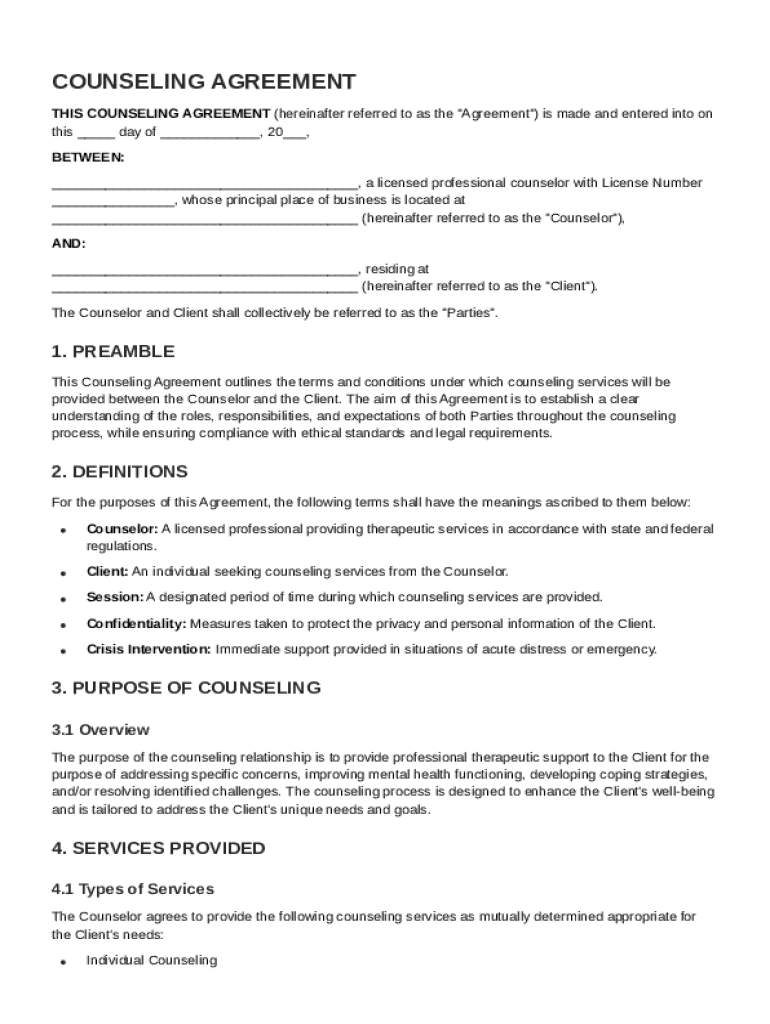
The Counseling Agreement Template defines the terms and conditions for counseling services provided by a licensed professional counselor to a client. It sets clear expectations and outlines the responsibilities of both parties, establishing a framework that fosters a therapeutic environment. Key components include confidentiality assurances, ethical guidelines, and the objectives of counseling sessions. By providing a detailed account of services and guidelines, the agreement helps clients understand what to expect, enhancing their trust and engagement in the counseling process.
Key Elements of the Counseling Agreement Template
The template consists of several essential elements that ensure a comprehensive understanding between the counselor and the client. These elements often include:
- Roles and Responsibilities: Defines the expectations for both the counselor and the client, detailing what each party is responsible for within the counseling relationship.
- Confidentiality Clauses: Emphasizes the importance of maintaining client privacy and outlines how client information will be protected under legal and ethical standards.
- Services Provided: Lists specific types of counseling services available to the client, including individual sessions, group therapy, or specialty services like family counseling.
- Fee Structures: Clearly explains the costs associated with counseling sessions, including rates, payment schedules, and policies for late payment or missed sessions.
How to Use the Counseling Agreement Template
Utilizing the Counseling Agreement Template involves several key steps to ensure it is completed correctly and serves its intended purpose. Here is a detailed process to follow:
- Gather Required Information: Collect necessary personal and professional details from both the counselor and the client.
- Customize the Template: Modify sections to fit the specific counseling context, ensuring each clause accurately reflects the services provided and the arrangement agreed upon.
- Review and Discuss: Both parties should review the document together to address any concerns or modifications before finalizing the agreement.
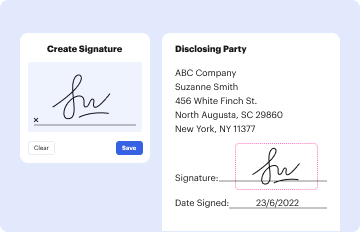
- Sign and Store: Once reviewed and agreed upon, both parties should sign the document. Store the signed copy securely, either electronically or physically, for future reference.
Who Typically Uses the Counseling Agreement Template
A variety of individuals and institutions utilize the Counseling Agreement Template to ensure clarity and professionalism within counseling arrangements:
- Licensed Professional Counselors: Use the template to formalize client relationships and clearly state service terms.
- Therapists and Psychologists: Require structured documentation to support ethical and professional practices.
- Counseling Centers: Implement templates to maintain consistency across multiple client interactions and ensure compliance with institutional policies.

Legal Use and Compliance of the Counseling Agreement Template
Counseling agreements must comply with various legal standards to ensure validity and enforceability. Considerations include:
- State Regulations: Varying state laws may impact the sections of confidentiality, mandatory reporting, and client rights. It is crucial to consult legal counsel to tailor the agreement accordingly.
- Ethical Standards: Must adhere to guidelines set forth by professional bodies, such as the American Counseling Association, ensuring ethical practices are followed.
Steps to Complete the Counseling Agreement Template
Completing the template requires attention to detail and clarity to ensure it fulfills its function:
- Fill Out Personal Details: Include full names, contact information, and professional credentials of the counselor.
- Detail Services and Policies: Clearly state the types of counseling offered, session formats, and policies related to scheduling and fees.
- Define Termination Conditions: Specify the circumstances under which either party may terminate the counseling relationship.
- Confirm Understanding: Ensure both parties acknowledge their understanding and acceptance of the terms through signatures.
Examples of Using the Counseling Agreement Template
To illustrate practical application, consider the following scenarios:
- Individual Counseling: A counselor specializing in anxiety disorders uses the agreement to specify session frequencies, such as weekly meetings, and outlines expectations for client participation and homework.
- Couples Therapy: A family counselor includes additional clauses to address confidentiality in a dyadic setting and stipulates how shared information will be managed.
- School Counseling: A school counselor integrates the agreement with parental consent forms to outline services available to students while respecting institutional guidelines.
State-Specific Guidelines for the Counseling Agreement Template
State laws can influence the structure and content of counseling agreements. For example:
- California: Requires details on how client data is handled in accordance with state privacy laws.
- New York: Mandates disclosure of practitioners' licensure status and contact for state licensing boards.
Being aware of and adhering to these state-specific requirements ensures that the agreement is both legally compliant and tailored to the jurisdiction in which services are provided.
By integrating these structured sections, the document not only acts as a formal contract but also as a guiding tool to enhance the therapeutic process and ensure regulatory compliance across diverse counseling settings.