




Definition & Meaning
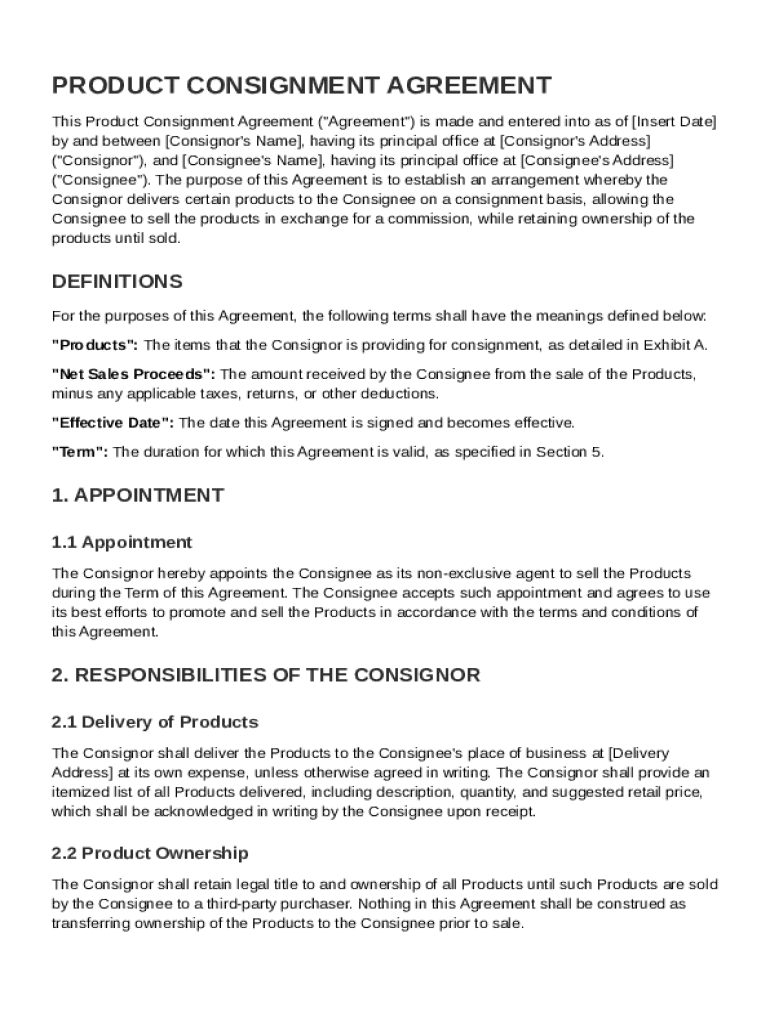
The Product Consignment Agreement Template defines the legal structure for an arrangement between two parties: the Consignor and the Consignee. This document outlines the terms under which the Consignor delivers products to the Consignee for sale on a consignment basis. In this arrangement, the Consignee acts as a non-exclusive agent and sells the products on behalf of the Consignor, while the Consignor retains ownership until the products are sold. The agreement covers roles, responsibilities, and expectations, ensuring both parties understand the nuances of their business relationship.
A key component of the Product Consignment Agreement is that it clearly delineates the ownership of goods. While the Consignee is responsible for selling the items, the ownership remains with the Consignor until the sale is completed. This distinction is crucial for inventory management, financial reporting, and legal accountability.
Key Elements of the Product Consignment Agreement Template
The Product Consignment Agreement Template includes several crucial elements that ensure a successful consignment relationship. These elements define the operational framework and protect the interests of both the Consignor and the Consignee.
-
Product Details: Specification of the products involved, including descriptions, quantities, and conditions for sale.
-
Pricing and Commission: The agreed-upon price at which products will be sold and the percentage or amount of commission the Consignee will earn per sale.
-
Payment Terms: Details on how and when the Consignee will remit sales proceeds to the Consignor, including any applicable timelines for payments.
-
Sales Reporting: Requirements for regular sales reporting from the Consignee to the Consignor, detailing items sold and inventory status.
-
Indemnification Clauses: Provisions that handle liability and protect both parties from potential legal claims arising from their business operations.
-
Confidentiality Obligations: Clauses ensuring that sensitive information shared between the parties remains confidential and secure.
-
Governing Law and Termination Conditions: Identification of the legal jurisdiction governing the agreement and the conditions under which the agreement can be amended or terminated.
Steps to Complete the Product Consignment Agreement Template
To effectively use the Product Consignment Agreement Template, follow these steps to ensure that the document accurately reflects the intentions of both parties involved:
-
Customize Product Details: Begin by inputting detailed descriptions of the consigned products, including relevant specifics like model numbers, conditions, and quantities.
-
Set Pricing and Commission Rates: Clearly define the sales price of the products and establish the commission rate for the Consignee, ensuring mutual agreement on these financial terms.
-
Define Payment and Reporting Schedules: Outline when payments will be made to the Consignor and establish how frequently sales reports will be shared.
-
Review Terms and Conditions: Carefully examine all terms, including confidentiality, indemnification, and termination provisions, modifying them as needed for clarity and compliance with state laws.
-
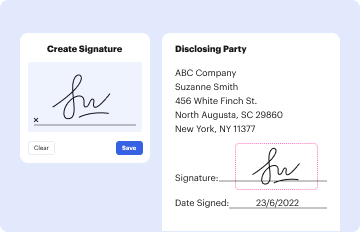
Sign and Execute the Agreement: Ensure both parties sign the agreement. Consider using legally binding electronic signatures for efficiency.
-
Maintain Records: Keep a copy of the executed agreement for future reference and potential audits.
Legal Use of the Product Consignment Agreement Template
The Product Consignment Agreement Template serves as a legally binding contract between parties and must adhere to applicable U.S. laws. It is designed to protect the interests of both the Consignor and the Consignee by explicitly stating the rights and responsibilities of each party.
In the U.S., legal enforceability includes compliance with federal laws such as the Uniform Commercial Code (UCC), which governs commercial transactions. These agreements should also comply with state-specific business regulations and contract laws. It is crucial for both parties to review the agreement with legal counsel to ensure full compliance and fairness.
Important Terms Related to the Product Consignment Agreement Template
Understanding the following terms is vital for both parties involved in a Product Consignment Agreement:
-
Consignor: The party that owns and delivers goods to the Consignee for sale.
-
Consignee: The agent or business responsible for selling the Consignor's goods.
-
Consignment: A commercial arrangement where goods are entrusted to another party for sale.
-
Commission: A fee paid to the Consignee, typically a percentage of the sale price.
-
Indemnification: Legal protection against any losses or liabilities incurred during the consignment relationship.
-
Confidentiality: Obligation to keep business and proprietary information private between the parties involved.
Examples of Using the Product Consignment Agreement Template
The Product Consignment Agreement Template is versatile and applies to various real-world scenarios where businesses engage in consignment sales.
-
Boutique Retailers and Artisans: A local jewelry designer consigns products in a boutique shop, with an agreement detailing the commission terms and return policies for unsold items.
-
Sports Equipment Vendors: A sporting goods manufacturer consigns inventory to sporting events, specifying reporting requirements for items sold during the event.
-
Bookstores and Authors: An independent author consigns books to a bookstore, ensuring both parties agree on inventory counts and payment procedures.
State-Specific Rules for the Product Consignment Agreement Template
Although the basic consignment agreement structure is similar across the U.S., state-specific rules may influence its precise terms and enforceability due to local business regulations.
For instance, California law requires specific disclosures regarding returned products, while New York has particular rules about commission rate transparency. Businesses should review state regulations or consult with a legal expert to ensure the agreement's compliance with local laws, safeguarding the rights and obligations of both Consignor and Consignee.
Business Types That Benefit Most from the Product Consignment Agreement Template
Several business types can benefit from using a Product Consignment Agreement Template, as it provides a flexible way to manage inventory and expand market reach:
-
Retail Stores: Boutique shops and department stores that showcase third-party products.
-
Independent Designers and Artists: Creators who wish to focus on production while partnering with vendors for sales.
-
Antique and Gallery Dealers: Businesses that host a variety of products on consignment terms to diversify offerings without purchasing inventory.
By leveraging such agreements, businesses can minimize upfront inventory costs, test new products, and optimize sales strategies without immediate cash investments.