




Definition and Meaning of a Property Lease Agreement Template
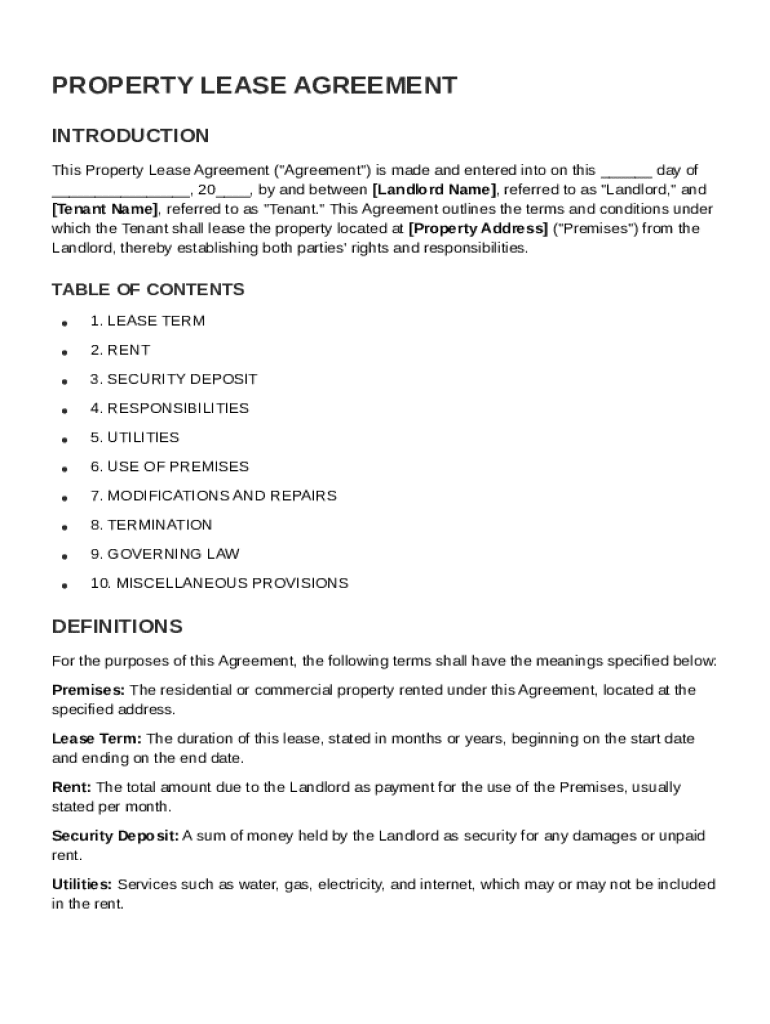
A Property Lease Agreement Template is a standardized legal document used to outline the terms and conditions under which a property is leased from a landlord to a tenant. This template serves as a framework for establishing the rights and responsibilities of both parties during the lease term, ensuring a mutual understanding and minimizing potential disputes. It typically includes essential elements such as lease duration, rent payment terms, security deposits, maintenance obligations, and rules regarding the use of the property.
Components of a Lease Agreement
- Lease Duration: Defines the length of time the lease is valid, whether month-to-month or for a fixed term.
- Rent Payment Terms: Specifies the due date, amount, and acceptable payment methods for rent.
- Security Deposit: Details the amount held as a deposit, conditions for its return, and any deductions.
- Maintenance and Repairs: Assigns responsibility for repairs and maintenance to either the tenant or landlord.
- Property Use: Outlines restrictions and allowed uses, ensuring compliance with zoning laws and community rules.
How to Use the Property Lease Agreement Template
Using a Property Lease Agreement Template involves a step-by-step process to adapt the template to fit specific needs while ensuring all necessary legal stipulations are incorporated. Here’s how to effectively utilize it:
- Download or Access the Template: Obtain the template from a reliable source like DocHub, ensuring it’s up-to-date and compliant with local laws.
- Customize as Needed: Modify sections to reflect the unique terms agreed upon by the landlord and tenant, such as rent amount and lease duration.
- Fill in Tenant and Landlord Details: Enter the full names, contact information, and addresses of both parties.
- Review Legal Terms: Ensure all legal obligations and conditions are clearly stated and understood by both parties.
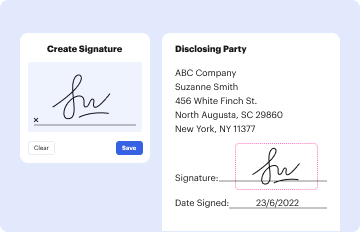
- Include Signatures: Both parties should sign the document, confirming their agreement to the terms.
Tips for Effective Use
- Consult a Legal Professional: When customizing the terms, consulting a lawyer can ensure the agreement is legally sound.
- Regular Reviews: Revisit the agreement periodically, especially if circumstances such as rent increases or property renovations occur.
Steps to Complete the Property Lease Agreement Template
Completing a Property Lease Agreement Template requires attention to detail to ensure all pertinent information is captured accurately. Follow these steps:
- Gather Necessary Information: Collect all required details about the property, tenant, landlord, and specific lease terms.
- Input Lease Details: Enter the lease duration, rent amount, payment schedule, and any additional fees, such as pet deposits or utilities.
- Clarify Responsibilities: Clearly define who is responsible for maintenance and repairs, including any restrictions on property modifications.
- Outline Termination Conditions: State the conditions under which the lease can be terminated by either party.
- Verify and Sign: Both the tenant and landlord should review the completed agreement to ensure accuracy, followed by signatures to validate the contract.
Key Elements of the Property Lease Agreement Template
Understanding the key elements of a Property Lease Agreement Template is crucial to ensuring all essential aspects are included and legally compliant. Here are the pivotal sections:
- Parties Involved: Clearly states the names and contact details of the landlord and tenant.
- Property Description: Provides a thorough description of the rental property, including address and any included appliances.
- Financial Terms: Outlines rent, additional fees, and the process for late payments.
- Rights and Obligations: Details both parties’ rights and obligations concerning repairs and maintenance.
- Legal Provisions: Includes governing laws, dispute resolution mechanisms, and clauses for amendments to the agreement.
Legal Use of the Property Lease Agreement Template
Utilizing a Property Lease Agreement Template legally requires adherence to federal, state, and local laws. Ensuring the document is compliant can prevent legal disputes and foster a smooth landlord-tenant relationship.
Compliance Considerations
- State and Local Laws: Each state may have unique requirements regarding tenant rights and landlord responsibilities; ensure the agreement meets these standards.
- Fair Housing Act: The agreement must not include discriminatory clauses that violate fair housing laws.
- Modification Clauses: Must include provisions for lawful changes to the lease, ensuring both parties agree.
Common Challenges
- Dispute Resolution: Include processes for resolving disagreements to avoid potential litigation.
- Enforcement of Terms: Clear articulation of penalties for breach of contract to ensure compliance.
Who Typically Uses the Property Lease Agreement Template
A Property Lease Agreement Template is primarily used by landlords and property management companies to formalize lease arrangements. Here’s an overview of typical users:
- Residential Landlords: Provide a standard lease for apartments, houses, or rooms.
- Property Management Firms: Utilize templates for efficient handling of multiple properties.
- Tenants: Review and understand their rights and responsibilities.

Context of Use
- Professional Property Renters: Ensure protection of property and legal compliance.
- First-Time Landlords: Benefit from a structured template to reduce the complexity of leasing.
State-Specific Rules for the Property Lease Agreement Template
State-specific rules can significantly impact the terms and enforcement of a lease agreement. Key considerations include:
Variations Across States
- Rent Control Laws: Some states have limits on rent increases, which must be reflected in agreements.
- Security Deposit Regulations: State laws dictate the allowable amount and conditions for deposit returns.
- Tenant-Right Provisions: Varying tenant rights, such as eviction notices or entry policies, must be included per state guidelines.
Enhancing Compliance
- Regular Updates: Keep templates updated with current state laws to maintain compliance.
- Legal Review: Engage attorneys familiar with real estate law in the applicable state for advice.
Practical Examples of Using the Property Lease Agreement Template
Examples of practical application scenarios can help illustrate the versatility and necessity of a Property Lease Agreement Template:
- Suburban Family Rental: A landlord rents out a suburban home with specific provisions for yard maintenance and pet allowances.
- Student Housing: Agreements tailored to include clauses on shared spaces and prohibited behaviors to suit a collegiate environment.
- Corporate Lease: Includes detailed terms for property modifications or signage for business premises.
Benefits of Using Templates
- Streamlined P rocess: Saves time for landlords managing multiple properties.
- Clarity and Security: Reduces confusion by clearly stating each party’s responsibilities, decreasing risk of disputes.