




Definition & Meaning
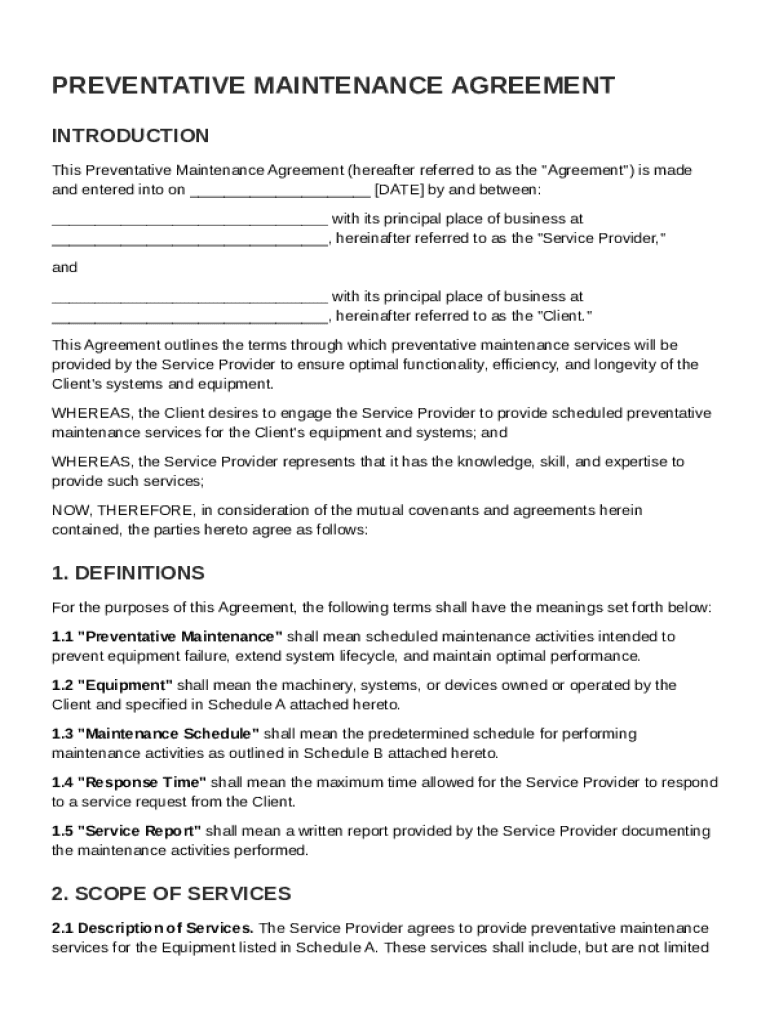
A Preventative Maintenance Agreement Template offers a structured format for outlining a service contract between a Service Provider and a Client. This agreement focuses on scheduled maintenance services to ensure optimal functionality and longevity of equipment used by the Client. It helps in defining key terms such as scope of service, responsibilities, and payment conditions. By utilizing this template, parties can clearly understand the expectations and responsibilities in their maintenance relationship, offering a foundation for accountability and transparency.
How to Use the Preventative Maintenance Agreement Template
To effectively use the Preventative Maintenance Agreement Template, follow these steps:
-
Review the Template: Familiarize yourself with the structure and sections of the template. Understanding each part will guide you in filling it out correctly.
-
Customize Details: Input specific information, such as the names of the Service Provider and Client, the equipment involved, and the frequency of maintenance.
-
Outline Services: Detail the scope of work, including particular tasks that the service provider will perform during each maintenance visit.
-
Clarify Responsibilities: Specify both parties' responsibilities to avoid disputes, ensuring clear communication regarding what each party is expected to contribute.
-
Set Payment Terms: Clearly outline the payment structure—amounts, due dates, and acceptable payment methods. This section is crucial for legal recourse in case of non-payment.
-
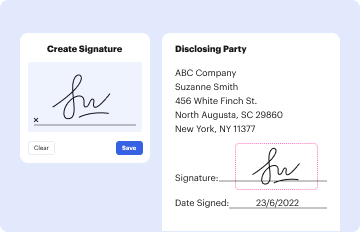
Finalize and Sign: After completing all sections, both parties should review the agreement to ensure accuracy and consent. Finally, both should sign the document to formalize the contract.
Key Elements of the Preventative Maintenance Agreement Template
The Preventative Maintenance Agreement Template consists of several vital elements:
- Scope of Services: This section should list all maintenance tasks and services the provider will deliver to ensure equipment remains operational.
- Responsibilities of Parties: Clarifies obligations for both Service Provider and Client, such as access, scheduling, and communication.
- Payment Terms: Details the payment schedule, amounts, and any late fees or penalties for missed payments.
- Termination Conditions: Specifies how either party can terminate the agreement, including notice periods and any fees or conditions that might apply.
- Confidentiality Clause: Protects sensitive information shared during the maintenance process, preserving client privacy and intellectual property.
- Liability and Dispute Resolution: Defines liability for damages or issues arising from maintenance services and outlines steps for resolving disputes amicably.
Who Typically Uses the Preventative Maintenance Agreement Template
This template is generally used by:
- Businesses: Companies with equipment maintenance needs often use these agreements to secure ongoing service.
- Service Providers: Maintenance firms providing regular check-ups for clients' machinery or systems.
- Facility Managers: Individuals responsible for the upkeep of building systems may rely on maintenance agreements for HVAC systems, elevators, etc.
- Manufacturers: Implementing scheduled upkeep on production machinery can prevent costly breakdowns.

Steps to Complete the Preventative Maintenance Agreement Template
Here’s a structured approach to completing the template:
-
Gather Information: Assemble all necessary details about the service arrangement, including contact information and equipment specifications.
-
Draft Service Scope: Document all maintenance activities and frequencies. Be precise about what the service includes to prevent misunderstandings.
-
Input Payment Details: Identify payment terms, ensuring clarity about due dates, methods, and any potential penalties for late payment.
-
Define Termination Terms: Set out the conditions under which the agreement can be terminated, including any necessary notice periods.
-
Review Legal Clauses: Ensure clauses on liability, confidentiality, and dispute resolution align with both parties' expectations and legal requirements.
-
Final Review and Signing: Both parties should review the draft to ensure accuracy before signing. This step is essential for legal enforceability and mutual understanding.
Legal Use of the Preventative Maintenance Agreement Template
The Preventative Maintenance Agreement Template is legally binding once signed by both parties. It complies with U.S. law requirements, covering contract basics such as offer, acceptance, and consideration. To maintain its enforceability, ensure the agreement:
- Meets State Regulations: Different states might have specific statutes impacting maintenance contracts. It’s advisable to consult with legal counsel to ensure compliance.
- Respects Confidentiality: Contains a robust confidentiality clause to protect both parties' sensitive information.
- Includes Dispute Resolution Mechanisms: Features defined pathways for resolving disputes, such as mediation or arbitration, might aid in legal challenges.
State-Specific Rules for the Preventative Maintenance Agreement Template
Variations in state laws may affect the enforcement and application of the Preventative Maintenance Agreement Template. Consider state-specific aspects such as:
- Regulatory Compliance: Maintenance work might require adherence to state-specific safety or operational standards.
- Service Licensing: Service providers should ensure they hold any relevant state licenses for the services they perform.
- Disclosure Requirements: Some states may mandate the disclosure of specific information within the agreement, such as consumer rights or cancellation policies.
Business Types that Benefit Most from the Preventative Maintenance Agreement Template
Businesses that stand to gain the most include:
- Manufacturing Firms: Manufacturing facilities use this template to ensure production machines are maintained, reducing downtime and loss.
- Real Estate Companies: Regular maintenance of property infrastructure is critical for operational efficiency and tenant satisfaction.
- Hospitality Industry: Hotels often need regular system checks to maintain guest comfort and service continuity.
- Healthcare Facilities: Hospitals and health clinics rely on preventative maintenance agreements for biomedical equipment, ensuring critical healthcare delivery remains uninterrupted.