



Definition and Meaning
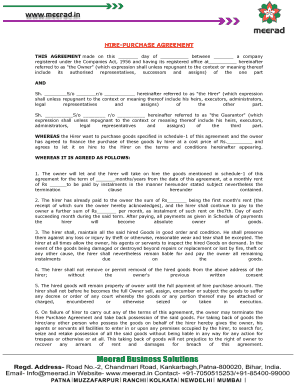
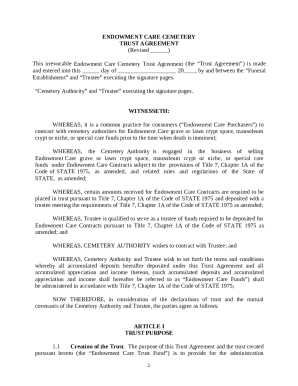
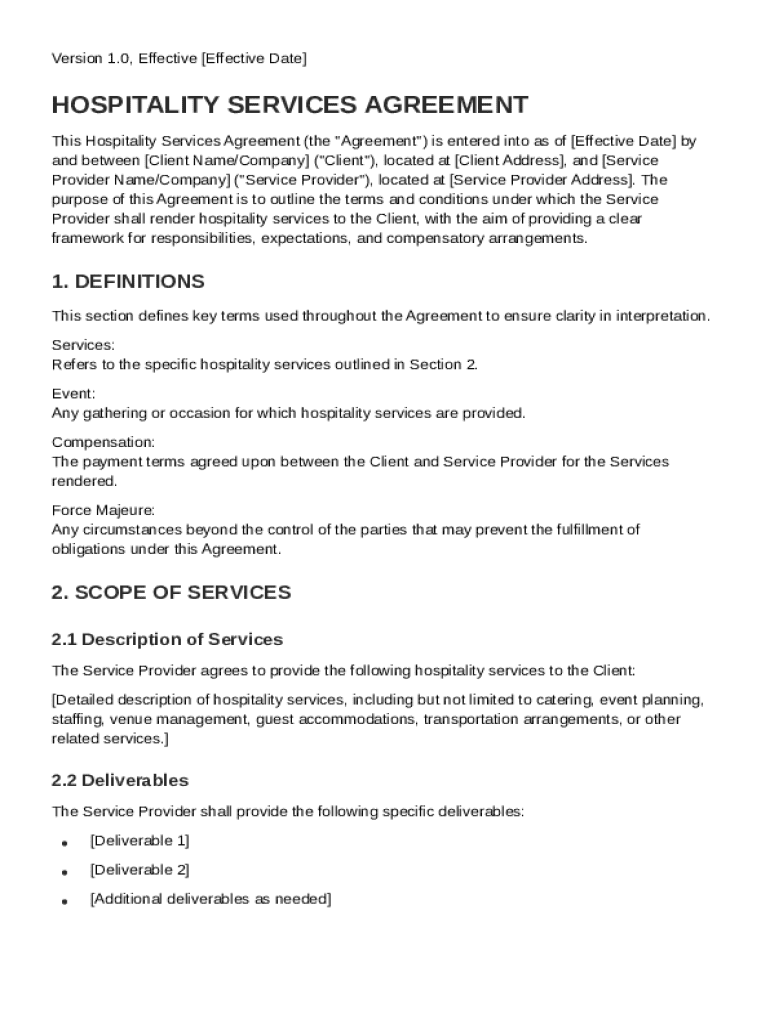
The Hospitality Contract Template is a formal document designed to establish the terms and conditions between a client and a service provider for the delivery of hospitality services. It includes critical sections such as the scope of services, compensation details, responsibilities of both parties, as well as cancellation and confidentiality clauses. This template serves as a legally binding agreement that outlines the expectations and obligations of each party, ensuring a clear understanding of the services to be provided and the terms under which they will be delivered.
How to Use the Hospitality Contract Template
Using the Hospitality Contract Template involves several steps to ensure that all necessary information is accurately captured. Begin by identifying the basic details of the parties involved, including names, addresses, and contact information. Next, provide a detailed description of the services to be rendered, including any specific requirements or standards. Clearly outline the payment terms, including how and when payments will be made. It’s crucial to include cancellation policies and any liability limitations. Finally, review the document with the other party for any additional modifications before both parties sign to formalize the agreement.
Key Elements of the Hospitality Contract Template
The Hospitality Contract Template contains several vital components that need to be thoroughly completed:
- Scope of Services: Clearly defines the services to be provided, timelines, and deliverables.
- Compensation: Details payment amounts, schedules, and any applicable taxes or fees.
- Responsibilities: Outlines the duties and obligations of each party involved, ensuring mutual understanding.
- Cancellation Policy: Specifies terms under which the contract can be terminated and any associated penalties.
- Confidentiality Clauses: Protects sensitive information shared during the contractual relationship.
Legal Use of the Hospitality Contract Template
The template is a legally binding document once signed by both parties. It must be used in accordance with relevant laws and regulations. Review of local or state-specific laws is essential to ensure compliance. In some cases, a legal professional may need to review the document to ensure that all clauses are enforceable and in line with current legal standards, thereby reducing the risk of disputes.
Who Typically Uses the Hospitality Contract Template
This contract template is commonly utilized by service providers in the hospitality industry, including catering companies, event planners, and venue rental services. Clients such as corporations, event organizers, and individuals hosting events also use this contract to secure services for conferences, corporate meetings, weddings, and other types of gatherings. By formalizing the engagement, both parties can ensure clear communication and accountability.

Important Terms Related to the Hospitality Contract Template
Understanding key terms within the template is essential:
- Indemnity: Offers protection against legal responsibility for damages or loss.
- Force Majeure: Covers events beyond control, such as natural disasters, which may delay or prevent contract fulfillment.
- Arbitration: Specifies the method of dispute resolution, avoiding court litigation.
- Non-compete: Restricts parties from engaging in competing services after the contract ends.
State-Specific Rules for the Hospitality Contract Template
Contracts must comply with state-specific laws that can affect their enforceability and interpretation. For example, some states might have unique requirements regarding cancellation policies or service standards. It is crucial to adapt the template to meet regulations specific to the state where the contract will be executed. Consulting a legal expert familiar with state law is recommended to ensure all local legal requirements are met.
Versions or Alternatives to the Hospitality Contract Template
Different versions of the hospitality contract template exist to cater to various types of services within the industry. These can include simplified versions for smaller engagements or more comprehensive contracts for large-scale projects. Alternatives might range from specific service agreements, like catering contracts, to more general service-level agreements depending on the complexity and requirements of the service provided. Evaluating the needs of the specific engagement will help in choosing the most appropriate version or alternative.