




Definition and Purpose of Individual Service Agreement Template
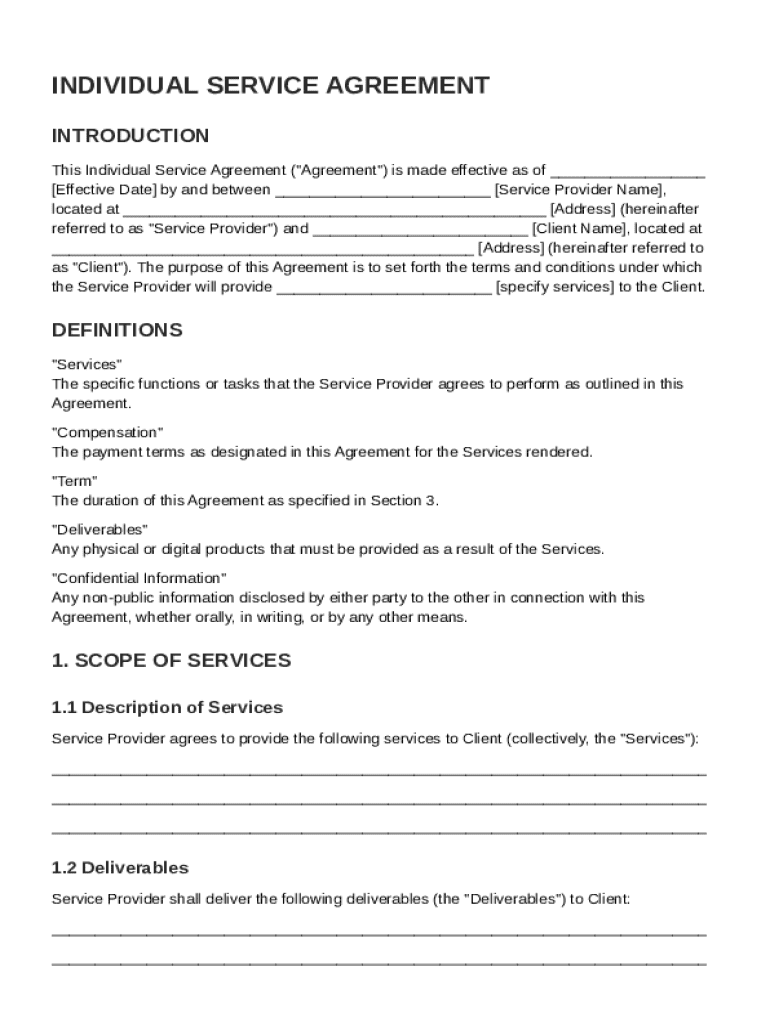
The Individual Service Agreement Template is a formal document detailing the terms and conditions that govern the relationship between a service provider and a client. Its primary goal is to ensure clarity and mutual understanding around the services to be delivered. The agreement generally includes key elements such as the scope of services to be provided, compensation details, confidentiality obligations, indemnification clauses, and dispute resolution procedures. By outlining these details, the template helps to minimize misunderstandings and legal disputes, providing a clear framework for both parties.
Key Elements of the Individual Service Agreement Template
Scope of Services
- Description of services: A comprehensive outline of the services the provider is expected to deliver.
- Duration: Specific timeframes or conditions under which services will be rendered.
Compensation and Payment Terms
- Payment structure: May include hourly rates, project fees, or retainer agreements.
- Invoicing and payment schedule: Details the frequency and method of payment.
Confidentiality and Data Protection
- Non-disclosure agreements: Provisions that protect sensitive information exchanged between parties.
- Data handling: Guidelines about the use, storage, and protection of client data.
Steps to Complete the Individual Service Agreement Template
-
Gather Information: Collect all relevant details about the parties involved and the services to be provided.
-
Customize Template: Tailor the agreement to suit specific requirements related to the scope of services, timelines, and compensation.
-
Review Key Terms: Ensure the legal and financial terms align with both parties' expectations.
-
Consult Legal Assistance: If necessary, have the agreement reviewed by a legal professional to ensure compliance with applicable laws.
-
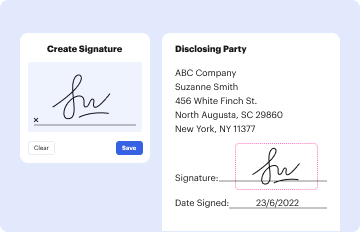
Finalize and Sign: Both parties must carefully review, approve, and sign the document for it to become legally binding.
Importance and Benefits of Using the Template
Using an Individual Service Agreement Template is crucial for establishing clear expectations between a service provider and a client. It serves as a preventive measure against legal disputes by detailing each party's rights and obligations. Additionally, it defines the parameters for confidentiality, effectively safeguarding proprietary information. Businesses and freelancers alike benefit from the clarity these agreements provide, ensuring smoother operational relationships and mitigating risks associated with miscommunication.
Who Typically Uses the Individual Service Agreement Template
This template is widely used across various industries by both independent contractors and business clients. Common users include:
- Freelancers and consultants: Individuals offering specialized services such as IT support, marketing, or design.
- Small businesses and corporations: Organizations seeking external expertise for specific projects without hiring permanent employees.
- Client companies: Entities that want to ensure services are delivered to agreed standards and timelines.

Legal Considerations in Using the Template
Binding Nature of Agreements
- Legally enforceable: Both parties are bound by the agreement's terms once it is signed.
Compliance with Local Laws
- State regulations: Legal requirements can vary by state, hence it is essential to ensure the contract complies with local laws governing service agreements.
Modifications and Amendments
- Change protocols: Any alterations to the agreement should be documented in writing and agreed upon by both parties.
State-Specific Rules for the Individual Service Agreement Template
Variations Across Jurisdictions
- Specific clauses: Some states may require unique clauses related to contract durations or the handling of disputes.
- Professional licensing requirements: Certain states require service providers to hold specific licenses or certifications.
Practical Application
- Compliance checks: Regularly review and update agreements to ensure they reflect any changes in state laws.
Real-world Examples of Using the Template
Businesses across various sectors implement these templates to structure service provisions efficiently. For instance, a marketing consultant might enter into a service agreement with a startup to outline deliverables such as a social media strategy or a branding campaign. Similarly, an IT specialist may use the template to delineate tasks involved in setting up a company's network infrastructure. These templates help avoid conflicts by specifying who is responsible for what and under what conditions.
Versions and Alternatives to the Individual Service Agreement Template
While the standard template provides a comprehensive framework, there may be circumstances that require alternative or adapted versions. Factors influencing the need for different templates include:
- Nature of services: Complex services might require more detailed specifications.
- Industry norms: Certain industries might have established standards or norms that should be reflected in the contracts.
Understanding these variations can help users tailor the agreement to better address specific business needs and legal requirements.