



Definition & Meaning
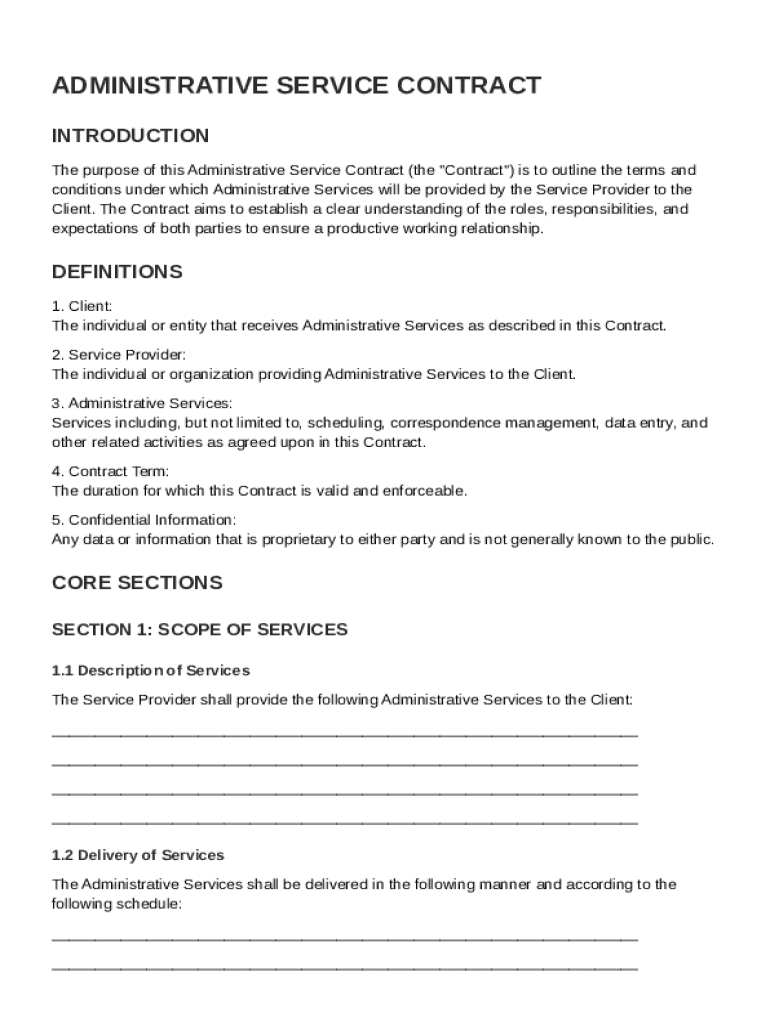
The Administrative Service Contract Template serves as a standardized agreement establishing the terms for administrative services between a service provider and a client. This document lays the groundwork for a formal business relationship, outlining critical aspects such as roles, responsibilities, compensation, confidentiality, and dispute resolution. By clearly defining these elements, the template enhances mutual understanding and minimizes the potential for conflicts, thereby streamlining professional interactions. This type of contract is essential for businesses seeking to delineate obligations and expectations clearly, ensuring a cohesive workflow.
Key Elements of the Administrative Service Contract Template
The Administrative Service Contract Template incorporates a series of key components that ensure comprehensive coverage of all necessary details. These elements typically include:
-
Service Scope: Specifies the exact nature and extent of the administrative services to be provided, including any limitations.
-
Compensation Structure: Details the payment terms, including rates, schedules, and any contingency-related clauses.
-
Confidentiality Obligations: Outlines what information is considered confidential and the procedures for handling such information.
-
Dispute Resolution Mechanisms: Describes the process for addressing disagreements, including mediation or arbitration clauses.
-
Termination and Amendments: Specifies the terms under which the contract can be terminated or modified, including notice requirements.
These key elements ensure that all parties are aligned on expectations and responsibilities, reducing the possibility of misinterpretations.
How to Use the Administrative Service Contract Template
To effectively utilize the Administrative Service Contract Template, follow these steps:
-
Review the Template: Begin by thoroughly examining the standard provisions to ensure these align with your specific needs.
-
Customize Key Sections: Modify areas such as service scope and compensation to fit the specific agreement between you and the service provider.
-
Legal Review: Engage legal counsel to review the contract, ensuring compliance with applicable laws and addressing any unique contractual requirements.
-
Finalize Details: Ensure that all parties agree on the terms outlined in the document. This includes clarifying any sections that may be misunderstood.
-
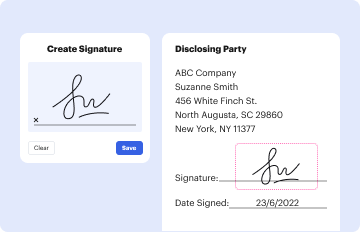
Obtain Signatures: Once the terms are agreed upon, have all parties sign the document to formalize the agreement.
This step-by-step approach ensures an accurate and effective use of the contract template.
Steps to Complete the Administrative Service Contract Template
Completing the Administrative Service Contract Template involves several critical steps:
-
Gather Information: Collect details regarding the parties involved, including names, contact information, and relevant business addresses.
-
Define Services: Clearly articulate the specific services to be provided, along with any performance metrics or deliverables.
-
Specify Payment Terms: Outline the agreed-upon financial details, including payment methods and frequency.
-
Highlight Confidentiality Clauses: Articulate what constitutes confidential information and the measures for its protection.
-
Draft Dispute Resolution Procedures: Provide a clear path for resolving any disputes that may arise during the contract term.
-
Incorporate Termination Clauses: Include provisions that detail how and under what circumstances either party can terminate the contract.
By following these steps, parties can ensure a complete and legally sound document.
Legal Use of the Administrative Service Contract Template
The legal use of the Administrative Service Contract Template requires adherence to relevant laws and regulations. The document must:
-
Comply with State Laws: Ensure the contract aligns with the legal requirements of the state where the services are provided.
-
Include Essential Legal Clauses: Incorporate mandatory legal provisions that protect both parties’ rights and obligations.
-
Ensure Enforceability: Draft the contract in a manner that ensures it will be recognized and upheld by a court of law, should any disputes arise.
-
Consider Intellectual Property: Address any intellectual property concerns if the services involve the creation or use of proprietary materials.
Ensuring the contract complies with all necessary legal standards is crucial for its enforceability.
Examples of Using the Administrative Service Contract Template
Practical applications of the Administrative Service Contract Template can vary, but common examples include:
-
Human Resource Services: Engaging an external firm for payroll processing or benefits management.
-
Financial Administration: Contracting a service provider for bookkeeping or financial reporting tasks.
-
IT Support Services: Entering an agreement with an IT company for the maintenance and support of technological infrastructure.
These examples highlight the versatility of the template in different administrative domains, emphasizing its practical utility in various business scenarios.
Important Terms Related to Administrative Service Contract Template
Understanding key terminology within the Administrative Service Contract Template is essential for accurate interpretation:
-
Client: The individual or organization receiving the services provided under the contract.
-
Service Provider: The party responsible for delivering the agreed-upon services.
-
Term: The duration for which the contract remains in effect.
-
Jurisdiction: The legal authority under which any issues related to the contract will be resolved.
-
Force Majeure: A clause that addresses unforeseeable circumstances preventing contract fulfillment.
Familiarity with these terms helps clarify the document's legal and operational dimensions, providing better insight into its specific provisions.
Who Typically Uses the Administrative Service Contract Template
The Administrative Service Contract Template is utilized by a diverse array of entities:
-
Small to Medium Enterprises (SMEs): Often engage external service providers for specialized tasks that are not feasible to handle internally.
-
Large Corporations: Use these contracts to formalize and manage relationships with outsourced administrative service providers.
-
Non-Profit Organizations: Rely on external service providers for administrative functions to reduce operational costs.
-
Government Agencies: Employ the template to outline terms with third-party vendors for essential services.
This template caters to various sectors, ensuring a structured approach to service provision and management across different organizational types.