




01. Edit your form online
Type text, add images, blackout confidential details, add comments, highlights and more.

Type text, add images, blackout confidential details, add comments, highlights and more.

Draw your signature, type it, upload its image, or use your mobile device as a signature pad.

Send it via email, link, or fax. You can also download it, export it or print it out.
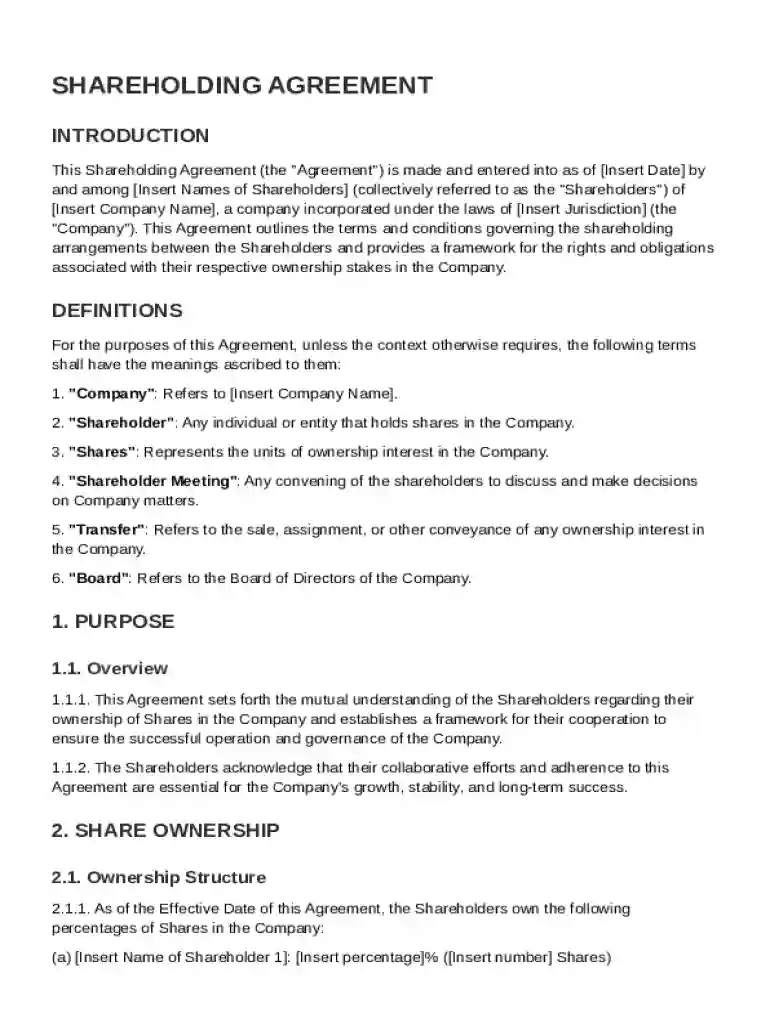
A Shareholding Agreement Template is a document that outlines the terms and conditions governing the arrangement among shareholders of a company. The template specifies key elements such as ownership structures, rights attached to shares, and management mechanisms. By providing a standardized framework, it reduces the complexity of drafting a new agreement from scratch. This is particularly beneficial for those unfamiliar with legal jargon or those who wish to ensure that all critical aspects are covered without omission. Essentially, it serves as a foundational document aimed at fostering cooperation, clarifying responsibilities, and safeguarding interests among shareholders to promote company growth and stability.
Ownership Structures: The template delineates how ownership of company shares is divided among stakeholders. This section may include share classes, voting rights, and any percentage thresholds for certain decisions.
Management and Control Mechanisms: It outlines the governance of the company, including the appointment of directors and decision-making processes. Provisions may address who has the authority to make financial or operational decisions and how disputes in management are resolved.
Transfer Restrictions: This area focuses on the limitations and conditions under which shares may be transferred, ensuring control over who may become a shareholder in the company. Typically, it includes right of first refusal clauses, which require shareholders to offer their shares to existing shareholders before selling them to outsiders.
Exit Strategies: This section defines the processes for a shareholder to exit the company, whether through selling shares back to the existing parties or through other agreed-upon methods like shareholders' agreement buyouts.
Confidentiality Obligations: It emphasizes the protection of proprietary company information, detailing what constitutes confidential information and the repercussions of unauthorized disclosure.
Dispute Resolution: Provides a structured approach to resolving conflicts to avoid lengthy and expensive litigation. It may include arbitration or mediation clauses that define how disagreements among shareholders are resolved.
Identify Shareholders Involved: Begin by listing all parties involved, detailing their contributions and shares.
Define Key Terms: Clearly articulate any terms and language used in the agreement to ensure all parties have a consistent understanding.
Detail Ownership Structures: Outline the number and type of shares each shareholder holds and any related rights.
Establish Management Processes: Clarify roles and decision-making authority within the company’s management for efficient operations.
Set Transfer Protocols: Specify the conditions for transferring shares to new or current shareholders to maintain control over the company’s composition.
Outline Exit Provisions: Define clear steps for how and when shareholders can exit the company and the process for share buyback if applicable.
Include Confidentiality Clauses: Ensure there's an understanding of what constitutes confidential information and the obligations to protect that information.
Agree on Dispute Resolution Methods: Choose a mechanism for resolving disputes to avoid legal battles, making it as streamlined as possible.
Using a shareholding agreement template aids in securing legal rights and obligations by formalizing shareholder relationships. This legal document often assists in risk mitigation by clarifying ownership rights and responsibilities, thus reducing potential conflicts among shareholders. Additionally, the template serves as evidence of best practice governance, improving trust among potential investors or financial institutions. To maximize its efficacy, companies should consider customizing the template to align with jurisdictional requirements and engage legal counsel for review, particularly for state-specific considerations or unique business arrangements.
For seamless integration into document workflows, shareholding agreement templates can be effectively managed using platforms like DocHub. This tool allows for easy editing, signing, and sharing in formats like PDF, DOC, and XLS. Features like secure cloud integration and mobile accessibility enhance document handling, making the creation and distribution of agreements efficient and secure.
At DocHub, your data security is our priority. We follow HIPAA, SOC2, GDPR, and other standards, so you can work on your documents with confidence.



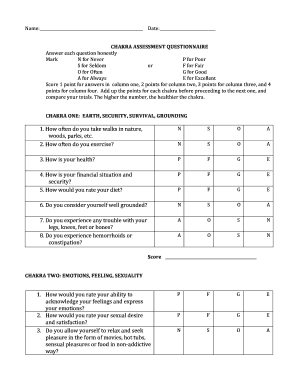

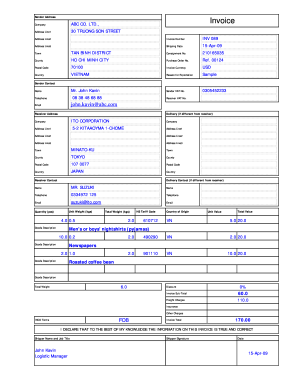
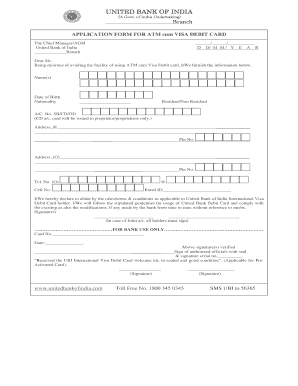
This is a sample or form document, and is to be used as a guide only. One size does not fit all. Any corporation contract should be tailored to the corporation
Jun 8, 2020 We hereby inform you of the 196th Ordinary General Shareholders Meeting, to be held at the time and place set forth below.


