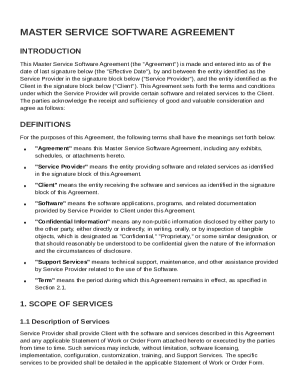
Definition and Meaning
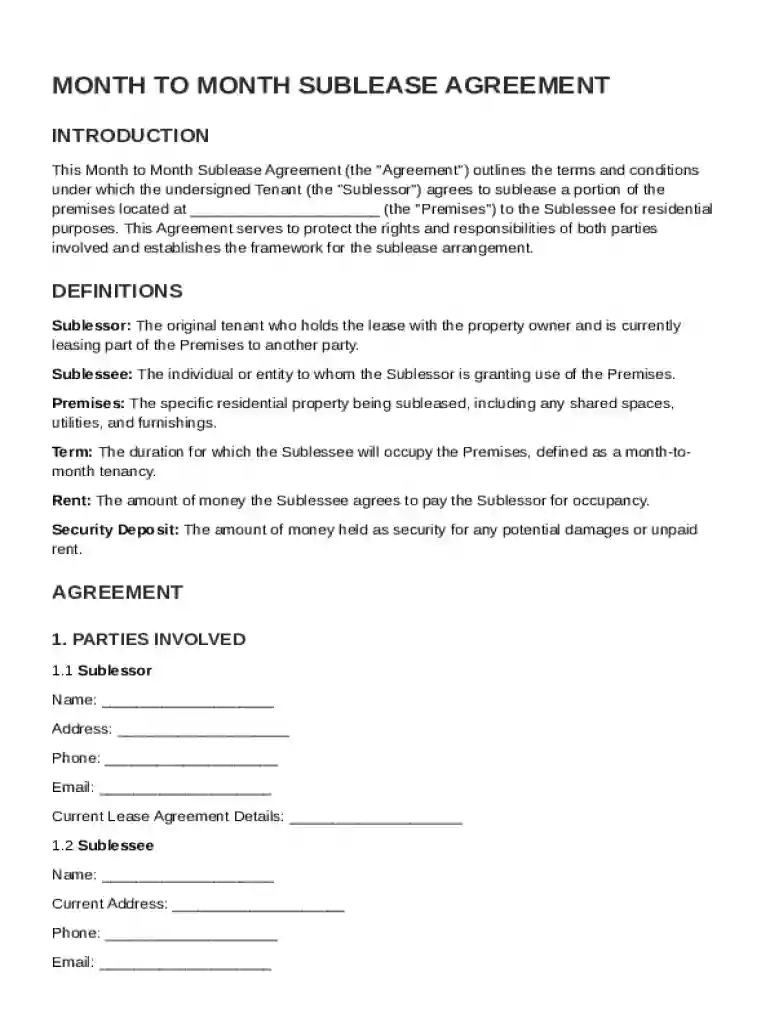
A Month to Month Sublease Agreement Template is a legal document used by a tenant (sublessor) to sublease a residential property to another tenant (sublessee) on a monthly basis. This agreement establishes the terms and conditions under which the sublessee can occupy the property. It specifies important details such as monthly rent, security deposits, permissible use of the premises, maintenance obligations, and termination procedures. These templates are essential for ensuring legal compliance and clarity between both parties involved in the sublease arrangement.
How to Use the Month to Month Sublease Agreement Template
Using this template involves several steps to tailor it to your specific situation:
- Fill in Basic Information: Include the name and contact details of both the sublessor and sublessee.
- Define the Property: Clearly identify the address and description of the leased property.
- Establish Financial Terms: Specify the amount of monthly rent, due date, and any security deposit required.
- Set Duration and Termination: Outline the start date of the agreement and any notice period required for termination.
- Detail Responsibilities: List the maintenance responsibilities of each party, including utilities and repairs.
- Review and Sign: Once completed, both parties should review all terms and sign the document to make it legally binding.
Steps to Complete the Month to Month Sublease Agreement Template
Completing the template is straightforward if you follow these guidelines:
- Collect Necessary Information: Gather all required details, including personal information and property specifics.
- Edit the Template: Enter all data into the template, ensuring accuracy and completeness.
- Verify Legal Compliance: Ensure that the sublease terms comply with local state laws and regulations.
- Seek Legal Advice: Consider consulting with a legal professional to review the document before finalizing.
- Finalize and Save Copies: After both parties sign the agreement, save copies for future reference and enforcement.
Key Elements of the Month to Month Sublease Agreement Template
Several critical elements must be present in this agreement to ensure it is comprehensive:
- Identification of Parties: Full names and addresses of the sublessor and sublessee.
- Description of Premises: Clear description and address of the subleased property.
- Rental Details: Defined rent amount, payment schedule, and method of payment.
- Security Deposits: Amount, conditions for use, and refund process.
- Maintenance Responsibilities: Description of maintenance obligations for both parties.
- Termination Clause: Notice period and conditions for ending the lease.
Legal Use of the Month to Month Sublease Agreement Template
This template must be utilized in a manner compliant with U.S. subleasing laws:
- Consent from Landlord: Sublessor must obtain written permission from the landlord to sublease the property.
- Adherence to Local Laws: Each state has specific regulations governing subleases, so it’s crucial to adhere to local legal requirements.
- Legally Binding Signatures: Both parties must sign the agreement for it to be considered legally enforceable.
Examples of Using the Month to Month Sublease Agreement Template
Understanding the practical application of this template can be elucidated with examples:
- Temporary Relocation: A tenant moving out temporarily for a work assignment may sublease their apartment to another party.
- Financial Benefits: A tenant struggling with rent payments might sublease a room to share expenses.
- Testing Compatibility: Prospective roommates may use a month-to-month sublease to assess compatibility before committing to a longer-term lease.
State-Specific Rules for the Month to Month Sublease Agreement Template
While the primary structure of a sublease agreement is similar across states, certain state-specific rules apply:
- Security Deposit Limits: Some states cap the allowable security deposit amount.
- Notice Periods: Varying notice periods for termination of a month-to-month sublease exist depending on state laws.
- Required Disclosures: Some states mandate specific disclosures about safety, health hazards, or property conditions.
Important Terms Related to the Month to Month Sublease Agreement Template
Understanding specific terms used within the agreement is vital:
- Sublessor: The original tenant who leases the property to another party.
- Sublessee: The new tenant who occupies the leased premises.
- Premises: The residential property being subleased.
- Security Deposit: Funds held as collateral for property damage or unpaid rent.
- Notice Period: The time frame required for the sublease termination notification.
These blocks provide a comprehensive guide for understanding and effectively using a Month to Month Sublease Agreement Template and ensure that the reader fully comprehends the structure and requirements of the document. This approach guarantees maximum utility and relevance.