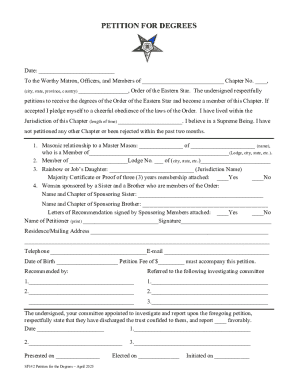
Definition & Meaning
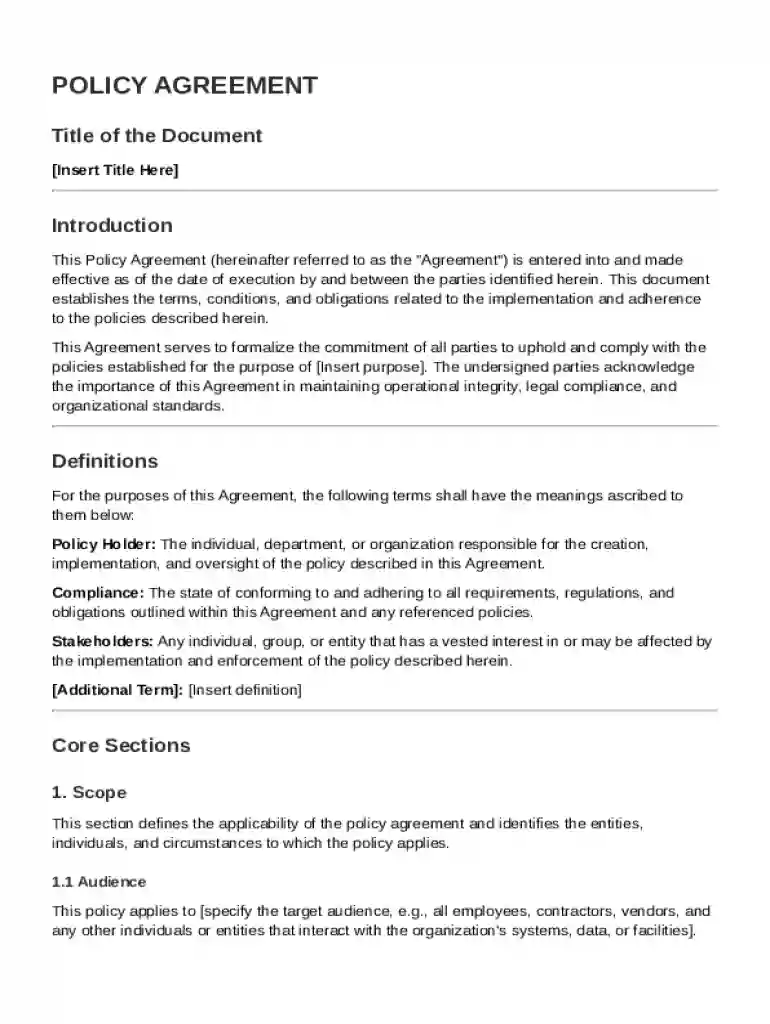
A Policy Agreement Template is a structured document designed to outline the terms, conditions, and obligations associated with specific policies within an organization. It serves as a comprehensive guide to ensure adherence and compliance, defining roles such as the Policy Holder and stakeholders. The template also establishes the policy scope, objectives, guiding principles, and responsibilities for compliance. It’s essential for maintaining operational integrity and legal compliance within corporate settings. These agreements are usually signed by all involved parties, committing them to uphold the policies outlined within.
Key Components of a Policy Agreement Template
- Terms and Conditions: Clearly defined rules and expectations.
- Roles and Responsibilities: Specific assignments for stakeholders.
- Objectives: The goals the policy aims to achieve.
- Scope: The range within which the policy is applicable.
- Monitoring Procedures: How compliance will be tracked.
- Amendment Guidelines: Process for making changes to the policy.
Real-World Scenarios
- Corporations use it to govern employee behavior and ensure compliance with federal regulations.
- Non-profit organizations implement these templates to maintain donor trust and program effectiveness.
How to Use the Policy Agreement Template
To utilize the Policy Agreement Template effectively, start by customizing it to fit the specific needs of your organization. This involves tailoring the terms, conditions, and objectives to align with your organizational goals.
Step-by-Step Instructions
- Identify Stakeholders: Determine who needs to agree to and sign the policy.
- Customize Content: Modify the template's terms and conditions to reflect your organizational needs.
- Review Legal Compliance: Ensure all aspects of the template adhere to applicable laws.
- Distribute for Feedback: Engage stakeholders to review and suggest changes.
- Finalize the Document: Incorporate feedback and make necessary amendments.
- Secure Signatures: Obtain signatures from all relevant parties to validate the agreement.
Practical Tips
- Use collaborative tools to involve multiple stakeholders in the drafting process.
- Regularly update the policy in response to legal or operational changes.
Key Elements of the Policy Agreement Template
The Policy Agreement Template includes critical elements necessary for comprehensive coverage and understanding.
Core Elements
- Introduction: Provides an overview of the policy.
- Definitions: Clarifies terminology to avoid ambiguity.
- Responsibilities: Details the obligations of each party involved.
- Compliance Measures: Outlines how adherence will be enforced.
- Communication Channels: Specifies how notifications and updates are made.
Detailed Breakdown
Introduction
This section sets the stage by explaining the purpose and necessity of the policy agreement, ensuring everyone understands why it exists.
Definitions
To eliminate confusion, clear definitions for any specialized terms or jargon used in the document are provided.
Responsibilities
Assigning roles and tasks ensures accountability and operational clarity.
Use Cases
- Tech companies employ them to regulate data security protocols.
- Educational institutions utilize them to uphold academic integrity standards.
Steps to Complete the Policy Agreement Template
Successfully completing a Policy Agreement Template requires careful attention to detail.
Detailed Steps
- Gather Information: Collect all necessary data relevant to the policy.
- Draft the Initial Version: Use the template to create a first draft.
- Involve Legal Advisors: Have legal experts review the draft for compliance.
- Revise as Necessary: Make amendments based on legal guidance.
- Seek Approval: Present the revised draft to stakeholders for final approval.
- Finalize the Document: Confirm that all adjustments are incorporated.
- Sign and Distribute: Collect signatures and distribute the finalized document to all parties.
Additional Considerations
- Ensure all stakeholders have the opportunity to review and suggest changes.
- Re-evaluate the document periodically to maintain its relevance and effectiveness.
Important Terms Related to Policy Agreement Templates
Familiarity with certain terms is crucial for understanding and using a Policy Agreement Template effectively.
Glossary of Terms
- Policy Holder: The individual or entity for whom the policy is created.
- Stakeholder: Anyone affected by the policy or involved in its execution.
- Compliance: Adherence to the terms set out in the agreement.
- Amendment: Changes made to the original document.
- Termination: Conditions under which the policy can be ended.
Examples and Context
- A Policy Holder in a manufacturing firm might be the safety officer.
- Stakeholders can include employees, management, and regulatory bodies.
Legal Use of the Policy Agreement Template
Ensuring that the Policy Agreement Template is legally compliant is vital for protecting all parties involved.
Understanding Legal Compliance
- Federal and State Laws: Policies must adhere to applicable local, state, and federal laws.
- Enforceability: Ensure that the terms of the agreement are enforceable in a court of law.
- Rights and Obligations: Clearly define the rights and responsibilities of each party.
Case Studies
- A financial services company aligning its policy agreements with SEC regulations.
- A healthcare provider ensuring agreements comply with HIPAA for patient privacy.
Best Practices
- Consult with legal experts to navigate complex legal landscapes.
- Keep the document concise but comprehensive, focusing on clarity and enforceability.
Examples of Using the Policy Agreement Template
Understanding various applications can showcase the versatility of the Policy Agreement Template.
Use in Different Industries
- Healthcare: Hospitals implementing policies for patient care and safety.
- Education: Universities enforcing academic standards and codes of conduct.
- Corporate: Businesses setting employee expectations for workplace behavior.
Case Examples
- A tech company using a policy agreement to regulate remote work practices.
- A retail chain applying it to manage supply chain protocols.
Lessons Learned
- Tailoring the template to specific industry needs ensures greater effectiveness.
- Regular updates are crucial for maintaining policy relevance and compliance.
Why Should You Use a Policy Agreement Template
Utilizing a Policy Agreement Template offers several advantages, from ensuring consistency to enhancing compliance.
Benefits of Using the Template
- Consistency: Ensures uniform policy application across different branches or departments.
- Time-Saving: Reduces the time needed to draft policies from scratch.
- Enhanced Compliance: Facilitates adherence to legal and organizational standards.
- Clear Communication: Provides a clear framework for expressing expectations and responsibilities.
Practical Implications
- Organizations benefit from minimized legal risks.
- Employees appreciate clear and consistent guidelines.
Example Impact
- A multinational corporation achieving streamlined operations through standardized policies.
- Small businesses fostering reliable employee behavior and accountability.