




Definition & Meaning
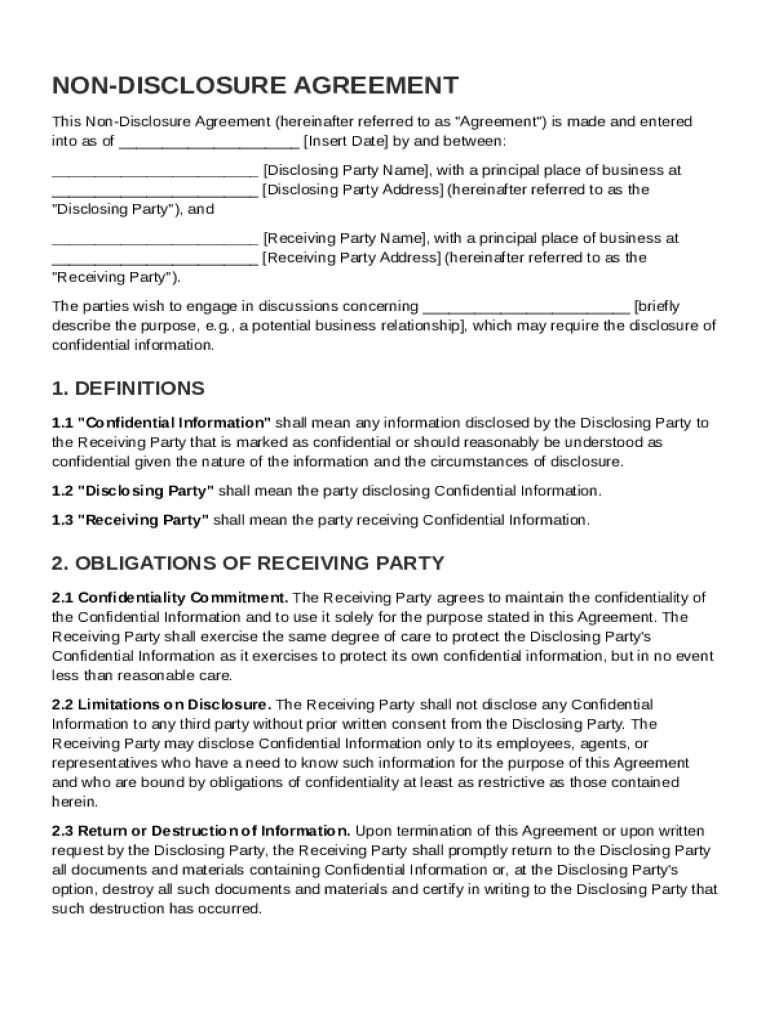
A Short NDA Agreement Template is a concise legal document designed to establish a confidentiality agreement between parties. This agreement commits the Receiving Party to keep certain information confidential when engaging with the Disclosing Party. It is typically used for business dealings, ensuring proprietary or sensitive information is not disclosed without permission. The agreement defines key terms, such as what constitutes confidential information, the responsibilities of the Receiving Party, and the duration of the confidentiality obligations. By using this template, parties can safeguard their private information during discussions or negotiations effectively.
How to Use the Short NDA Agreement Template
Using the Short NDA Agreement Template involves understanding its components and filling it out to suit specific confidentiality needs. Here's how you can use the template:
- Identify Parties: Clearly state the Disclosing Party and Receiving Party involved in the agreement.
- Define Confidential Information: Specify what information needs protection. This includes business plans, financial data, or trade secrets.
- Outline Obligations: Describe the responsibilities of the Receiving Party in maintaining confidentiality.
- Set the Duration: Determine how long the confidentiality obligations will last. Typically, this is for several years beyond the conclusion of the business relationship.
- Include Legal Terms: Make sure there are clauses covering governing law and dispute resolution to ensure enforceability.
- Review and Sign: Both parties should thoroughly review the filled-out template and sign to acknowledge understanding and agreement.
Steps to Complete the Short NDA Agreement Template
Completing the Short NDA Agreement Template requires attention to detail. Follow these steps:
- Download the Template: Obtain a copy of the Short NDA Agreement Template from your legal resource or document management platform.
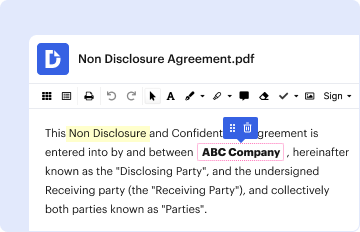
- Fill Out Party Information: Enter the names and addresses of both the Disclosing Party and Receiving Party.
- Detail Confidential Information: Clearly outline what information is considered confidential. Use specific examples where possible.
- Responsibilities of Receiving Party: Specify the obligations of the Receiving Party, including not sharing, duplicating, or misusing the information.
- Duration and Termination: Set terms for how long the NDA will be in effect and under what conditions it can be terminated.
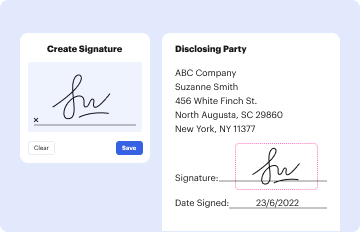
- Include Signatures: Ensure both parties sign the final document to validate the agreement legally.
Key Elements of the Short NDA Agreement Template
The Short NDA Agreement Template includes several critical elements that ensure it fulfills its legal purpose:
- Identification of Parties: Clearly identifies the individuals or entities participating in the agreement.
- Definition of Confidential Information: Precisely outlines what information is deemed confidential.
- Obligation to Maintain Confidentiality: States the responsibilities imposed on the Receiving Party to protect sensitive data.
- Exclusions from Confidentiality: Addresses what information is not considered confidential, like publicly available data.
- Term and Termination: Describes how long the agreement lasts and any conditions under which it may be ended.
- Governing Law: Specifies the legal jurisdiction governing the agreement, which is crucial for enforcement.
Legal Use of the Short NDA Agreement Template
The Short NDA Agreement Template serves to protect sensitive information in a legal context. It ensures that confidential data shared during business negotiations remains secure. The legal use of this document centers on its enforceability, which is backed by clearly defined terms and obligations. The NDA ensures that the Receiving Party cannot disclose or misuse the confidential information, providing a legal recourse if the agreement is breached. When enforced correctly, it enables companies to engage in discussions involving proprietary information safely.
Why Should You Use the Short NDA Agreement Template?
Using the Short NDA Agreement Template is crucial for protecting valuable proprietary information. Here are some compelling reasons:
- Confidentiality Assurance: Ensures sensitive data, such as business strategies or client information, remains private.
- Legal Protection: Establishes a formal boundary recognized by law, offering recourse if confidentiality is breached.
- Trust Building: Enhances trust between parties by demonstrating a commitment to protecting shared information.
- Time-Efficiency: Provides a convenient format that is quicker to complete than a full-length NDA, saving time in negotiations while still offering comprehensive protection.
Who Typically Uses the Short NDA Agreement Template?
Various professionals and businesses utilize the Short NDA Agreement Template across different contexts:
- Startups: Small businesses use it during discussions with investors or potential partners to secure their business plans and ideas.
- Contractors and Freelancers: Independent workers use NDAs when engaging with new clients to ensure project details remain private.
- Technology Firms: These companies regularly exchange sensitive information, making NDAs vital during development discussions and partnerships.
- Consulting Firms: Confidential agreements are often employed when sharing client information or proprietary methodologies.

State-Specific Rules for the Short NDA Agreement Template
While the Short NDA Agreement Template generally maintains a standard format, there might be variances based on state-specific laws:
- Duration and Enforceability: Certain states have different legal requirements for how long NDAs can last.
- Governing Law Clauses: The template should specify the state laws that will govern the agreement; this is critical as state laws may vary in terms of non-compete and disclosure regulations.
- Employee NDAs: Some states impose limitations on NDAs concerning employees, particularly related to non-compete clauses.
Understanding these variations ensures that the NDA remains legally valid and enforceable across different jurisdictions. It's advisable to consult a legal professional familiar with state laws to customize the NDA appropriately.