






Definition and Purpose of a Visitation Agreement Template
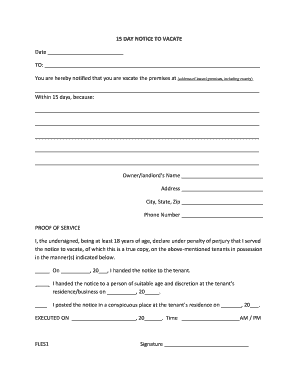
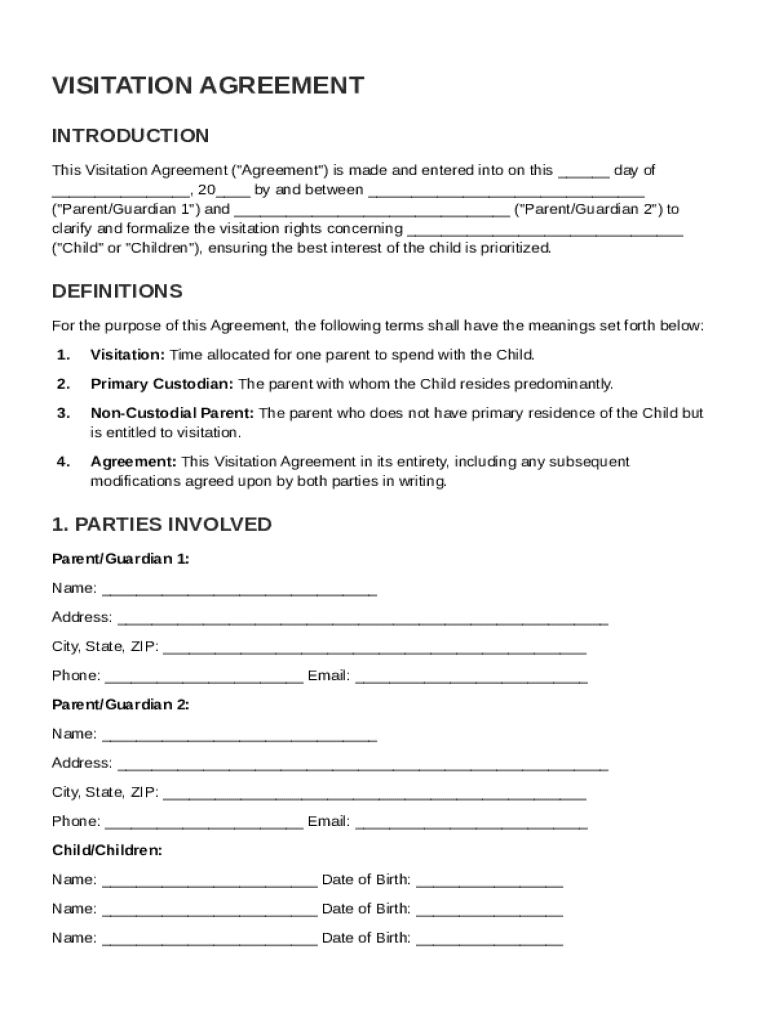
A Visitation Agreement Template is a structured document designed to outline and formalize visitation arrangements between parents or guardians concerning their child or children. It is a critical legal tool that helps both parties define and agree on visitation schedules, roles, and responsibilities. The document ensures that visits are in the best interests of the child, providing a comprehensive overview of terms that both parties need to adhere to, avoiding ambiguity or misunderstandings.
Detailed Components
- Visitation Schedule: Clearly delineates when and how each parent will spend time with their child. This includes weekdays, weekends, holidays, and vacation periods.
- Transportation Arrangements: Specifies who is responsible for transporting the child to and from visitations, and the means of transportation allowed.
- Communication Protocols: Establishes how parents will communicate regarding the child and any changes to the schedule, ensuring that both parties remain informed and cooperative.
Practical Examples
Consider a situation where parents live in different states. The visitation agreement could specify extended visitation periods during school vacations, reducing the frequency of travel for the child. This example highlights how the template can accommodate diverse needs and circumstances.
Important Terms in the Visitation Agreement Template
The template includes several legal and practical terms that are crucial to understand for both parties. Familiarity with these terms ensures clarity and helps avoid potential disputes.
Key Terms Explained
- Custodial Parent: The parent with whom the child resides most of the time. The custodial parent usually has primary decision-making responsibilities.
- Non-Custodial Parent: The parent who is granted visitation rights as outlined in the agreement.
- Modification Procedures: The steps required to change or update the agreement, which may involve mediation or court approval depending on the changes desired.
Understanding these terms is essential for properly navigating and utilizing the visitation agreement template.
How to Obtain the Visitation Agreement Template
Securing the correct version of a visitation agreement template is vital for ensuring it meets legal standards and personal requirements. This section outlines the process for obtaining and using these templates effectively.
Steps to Acquire the Template
- Online Resources: Visit legal websites such as legal aid services or document management platforms like DocHub to access free and customizable templates.
- Family Law Attorney: Consulting with a family law attorney can provide access to specialized templates tailored to specific legal contexts and personal situations.
- Family Court: Some jurisdictions provide standardized templates available through local family court resources.
Considerations
When selecting a template, ensure that it is up-to-date and compliant with current legal standards in your jurisdiction. Local family law rules can greatly influence the format and content of visitation agreements.
Steps to Complete the Visitation Agreement Template
Filling out a visitation agreement template correctly ensures it accurately reflects the intentions and agreements of both parties involved.
Sequential Breakdown
- Identify Visitation Periods: Clearly state the days and times allotted for visits, including any special considerations for holidays and vacations.
- Define Roles and Responsibilities: Specify the responsibilities each parent/guardian holds during visitation periods.
- Incorporate Dispute Resolution Mechanisms: Include provisions for mediation or arbitration in case of future disputes.
Practical Scenarios
If both parents work non-traditional hours, the template might need adjustments to accommodate a more flexible schedule. For example, night-shift workers may require periods of daytime visitation.
Legal Use of the Visitation Agreement Template
Understanding the legal implications of a visitation agreement template is crucial for adhering to jurisdictional laws and safeguarding parental rights.
Legal Enforceability
- Court Approval: In many cases, a visitation agreement must be submitted to and approved by a court to become legally enforceable.
- Modifications: Any change in circumstances that necessitates modifying the agreement often requires legal acknowledgment or court approval.
Ensuring Compliance
Both parties should retain a signed copy of the agreement, ensuring all terms are clear and accessible. In case of disputes, this document serves as an authoritative reference point for mediation proceedings or court decisions.
Key Elements to Include in the Visitation Agreement Template
Each visitation agreement template should encompass specific elements that cater to the nuanced needs of both the child and the parents. Including these elements ensures the document serves its intended purpose efficiently.
Essential Inclusions
- Detailed Contact Information: Clearly include the names and contact details of both parties and any involved mediators or legal representatives.
- Child's Needs and Preferences: If applicable, incorporate elements that consider the child's preferences, which can influence visitation schedules or conditions.
- Emergency Protocols: Outline procedures to follow in the event of an emergency during visitation.
Tailoring each element to the specific family dynamic and needs is critical for practicality and efficacy.
State-Specific Rules for the Visitation Agreement Template
State laws significantly influence the creation and validation of visitation agreements, and recognizing these variations is essential for compliance.
State-by-State Variations
- Custody Definitions and Implications: Different states may have distinct custody definitions affecting how visitation rights are granted.
- Documentation Requirements: Procedures for documentation and the necessity for notarization vary between states.
Consulting with state-specific resources or legal counsel ensures that your visitation agreement aligns with local legal mandates.
Who Typically Uses the Visitation Agreement Template
Understanding the demographics and common scenarios where visitation agreements are utilized can help in effectively applying the template to suit those needs.


Common Users
- Separated or Divorced Parents: The most typical use case where visitation agreements formalize parenting time and responsibilities.
- Guardianship Cases: Situations involving grandparents or other relatives who have legal visitation rights could benefit from formalized agreements.

Real-Life Applications
An unmarried couple deciding to separate may need a visitation agreement to document informal arrangements, especially if they are seeking mediated custody solutions outside of court.
By comprehensively understanding and utilizing a visitation agreement template, parties can facilitate smoother transitions and negotiations concerning child visitation, ultimately prioritizing the child's best interests and maintaining healthy familial relationships.