



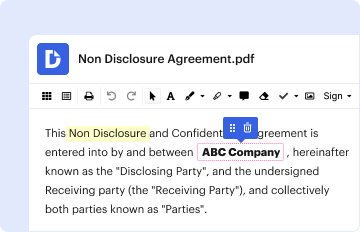
01. Edit your form online
Type text, add images, blackout confidential details, add comments, highlights and more.

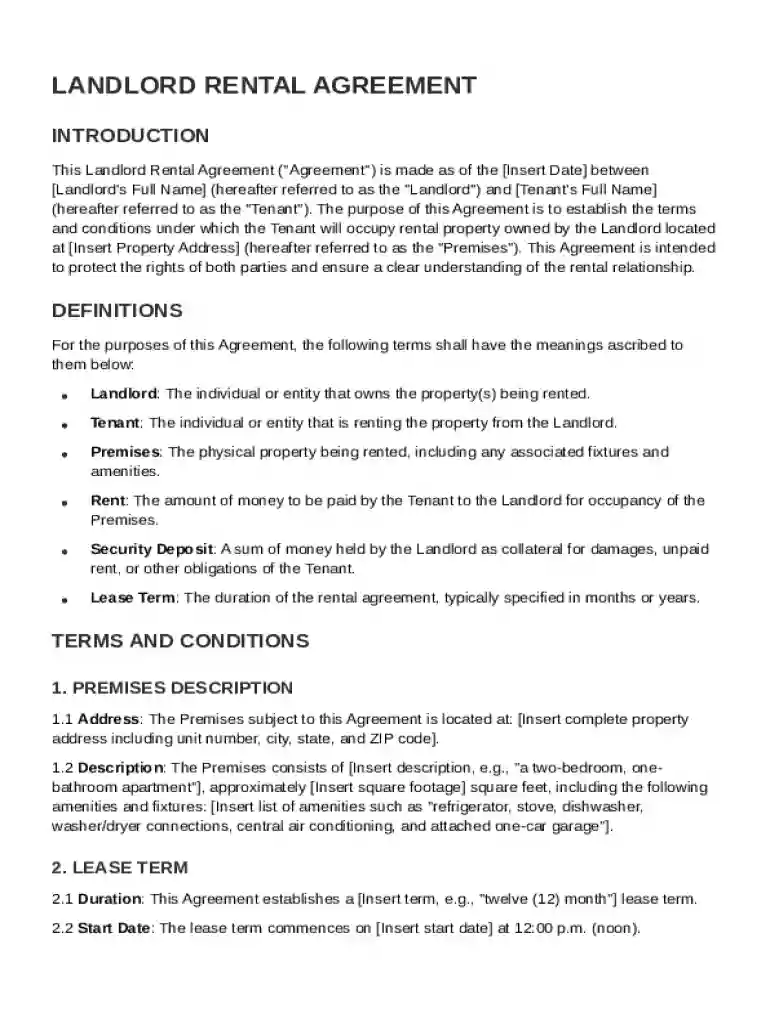
Type text, add images, blackout confidential details, add comments, highlights and more.
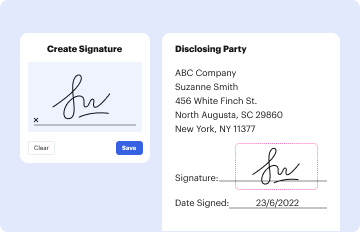
Draw your signature, type it, upload its image, or use your mobile device as a signature pad.
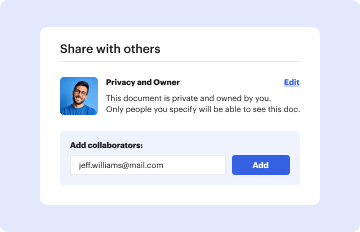
Send it via email, link, or fax. You can also download it, export it or print it out.
The Landlord Rental Agreement Template is a legally binding document that outlines the terms and conditions between a landlord and a tenant for renting property. This template serves as a guide to ensure a mutual understanding of rental conditions, promoting clarity and preventing disputes. It typically includes clauses about the duration of the lease, rent amount, payment schedule, property maintenance responsibilities, and termination conditions. In providing structure to rental arrangements, it protects the legal rights of both landlords and tenants. Real-world scenarios illustrate its utility, such as residential agreements for apartments or commercial leases for business spaces.
A comprehensive Landlord Rental Agreement Template covers several essential elements:
To effectively use the Landlord Rental Agreement Template, follow these steps:
Download the Template: Obtain the template from a reliable source like DocHub, ensuring it is compatible with your needs.
Customizing the Template: Adapt the template to include specific details about the property, parties involved, and agreed terms. Ensure accuracy in rental amounts and obligations.
Review Legal Requirements: Verify that the template complies with local laws, which can differ by state or locality.
Landlord and Tenant Agreement: Share the completed template with the tenant for review. Make amendments based on mutual agreement.
Sign the Agreement: Finalize the template with electronic signatures from both parties, ensuring that the signed document adheres to the ESIGN Act.
Retention and Reference: Keep copies of the agreement for future reference or in case of disputes.
Understanding these terms is critical for clarity and compliance:
Lessee and Lessor: Legal terms for tenant and landlord, respectively.
Premises: The property being rented.
Default: Failure to meet legal obligations or terms of the lease.
Indemnity Clause: Protects the landlord from claims arising from tenant activities.
Subletting: Conditions under which the tenant can lease the rented property to another party.
Each term relates to specific aspects of rental agreements and influences how the lease is drafted or interpreted.
Adhering to legal guidelines when using a Landlord Rental Agreement Template is crucial for enforceability:
Compliance with State Laws: Ensure the agreement is customized per state-specific landlord-tenant laws.
Legally Binding Signatures: Utilize electronic signatures valid under the ESIGN Act for authenticity.
Notice Period Requirements: Include necessary notification times for lease termination or alterations.
Fair Housing Compliance: Avoid discriminatory language or clauses to comply with Fair Housing Laws.
These legal requirements guarantee that the agreement holds up in legal settings, providing security to both parties.
State laws impact how the Landlord Rental Agreement Template must be configured:
Variation in Security Deposit Regulations: States may differ in how they handle the maximum deposit amount or the interest owed.
Rent Control Laws: Some jurisdictions have limits on the amount landlords can charge or raise rent.
Tenant's Right to Repair: States may have unique stipulations about tenant-led property repairs and subsequent rent deductions.
For example, California mandates detailed disclosure on mold and a complete tenant entry policy, making these elements key when drafting agreements in that state.
Alternatives to the traditional Landlord Rental Agreement Template vary with rental needs:
Month-to-Month Rental Agreement: Offers more flexibility compared to fixed-term leases.
Room Rental Agreements: Specifically for subletting a room in a shared space.
Commercial Real Estate Leases: Tailored for business property rentals, addressing unique business tenant needs.
Employing the right version or alternative depends largely on the specific rental arrangement and desired flexibility for the landlords and tenants involved.
A diverse range of individuals and entities utilize this template:
Individual Landlords: Owners of single rental properties or those managing multiple units.
Property Management Companies: They systematically use agreements to manage bigger residential or commercial rental portfolios.
Real Estate Agents: Facilitate the leasing process by providing standardized agreements.
Residential Tenants: Renters seeking to understand their rights and responsibilities before signing.
Business Tenants: Companies entering leases for office or commercial space.
The template's wide usage across different entities showcases its adaptability and necessity in clearly drafted agreements.

At DocHub, your data security is our priority. We follow HIPAA, SOC2, GDPR, and other standards, so you can work on your documents with confidence.


Jul 4, 2026 Use the template lower in this guide as a starting point. List each month that is unpaid or short-paid, with the date and amount. This is a
The agreement should be complete and address how you and the landlord will handle situations such as necessary repairs, unauthorized pets or guests, nonpaymentRead more


