



Definition and Meaning of a Legal and Binding Agreement Template
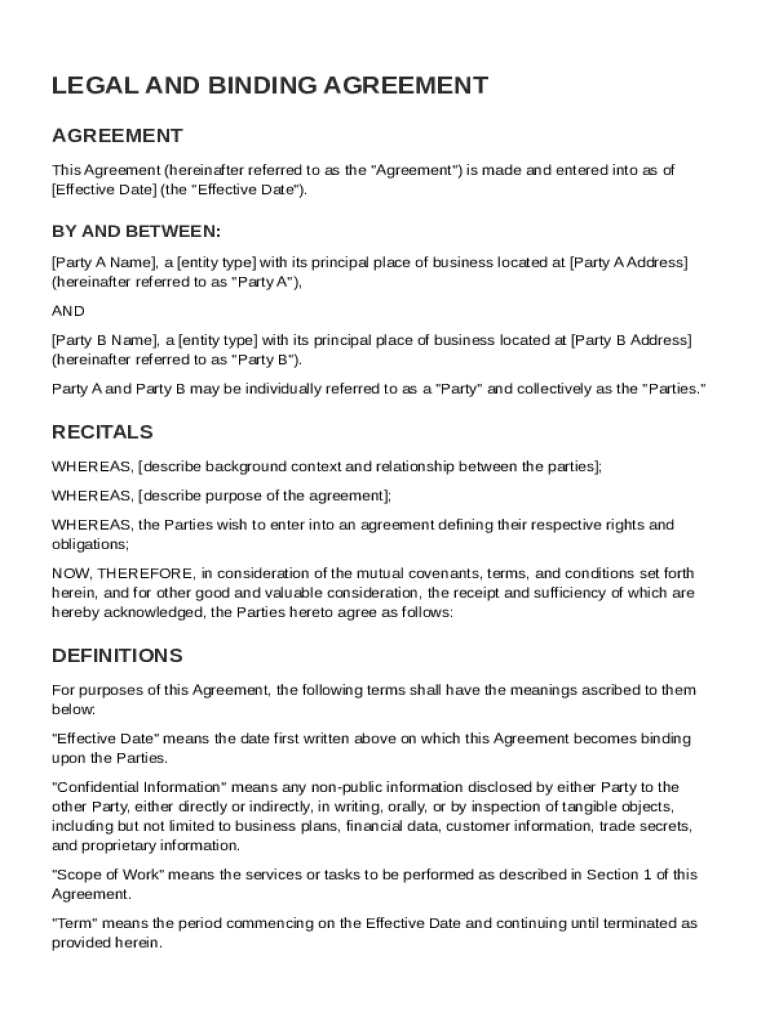
A "Legal and Binding Agreement Template" is a standardized document designed to formalize and safeguard relationships between two or more parties by detailing mutual rights and obligations. This template includes comprehensive sections on various contractual provisions, such as the scope of work, compensation, confidentiality, and intellectual property rights. It serves as a blueprint to ensure clarity and prevent disputes by providing clear terms. Notably, each section is crucial for setting expectations and outlining procedures in case of disagreements, thus ensuring the agreement is enforceable under applicable laws.
Key Elements of the Legal and Binding Agreement Template
A well-structured agreement template typically comprises several critical elements:
- Parties Involved: Clearly identifies Party A and Party B, specifying their legal names, addresses, and roles in the agreement.
- Scope of Work: Describes in detail the services or products to be provided, including deadlines and deliverables.
- Compensation Terms: Specifies payment terms, frequency, method, and any contingencies related to changes in the work or services provided.
- Confidentiality Clause: Outlines what information must remain confidential, the obligations of both parties, and exceptions, if any.
- Intellectual Property Rights: Details ownership of intellectual property created under the agreement and any licensing terms.
- Termination Conditions: States how the agreement can be terminated, including notice requirements and penalties for breach.
- Indemnity and Liability: Clarifies each party’s responsibilities for damages or losses and limits on liability.
- Governing Law and Dispute Resolution: Specifies the legal jurisdiction governing the agreement and preferred methods for resolving disputes.
How to Use the Legal and Binding Agreement Template
Using the template effectively involves several steps:
- Download or Access the Template: Obtain the template from a credible source like DocHub.
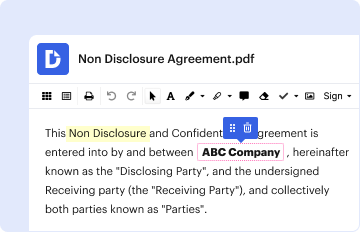
- Customize the Agreement: Edit the placeholders with specific information about the parties and their agreement details.
- Review Key Sections: Ensure all sections, such as compensation terms and confidentiality clauses, are tailored to the specific contractual relationship.
- Consult Legal Counsel: Engage a legal professional to review the customized template for compliance and adequacy.
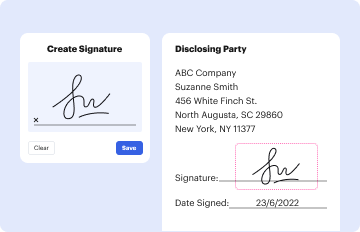
- Obtain Necessary Signatures: Ensure all parties sign the document, ideally using legally binding electronic signatures, to validate the agreement.
Steps to Complete the Legal and Binding Agreement Template
To complete the template efficiently, follow these structured steps:
- Fill in Basic Information: Insert names, addresses, and roles of the parties involved.
- Detail Specific Terms: Use clear and precise language to describe the scope of work and deliverables.
- Set Financial Conditions: Enter payment terms, including amounts, schedules, and methods.
- Add Confidentiality and IP Clauses: Specify what information is protected and how intellectual property rights are managed.
- Define Termination and Liability Terms: Clearly outline conditions for ending the agreement and responsibilities for damages.
- Include Governing Law: Identify the jurisdiction and methods for handling legal disputes.
- Review and Sign: Double-check all inputs, then gather the signatures of all involved parties, preferably digitally.
Who Typically Uses a Legal and Binding Agreement Template
These templates are commonly used by:
- Businesses and Corporations: To formalize vendor, client, or partnership agreements.
- Freelancers and Contractors: For service engagements with individuals or companies.
- Startups: To define terms with investors, partners, or employees.
- Nonprofits: For collaborations and sponsorship agreements.
- Government Agencies: To contract with external service providers.
Each user group benefits from the structure and clarity the template provides, ensuring legal protections and clear understanding of responsibilities.
Legal Use of the Legal and Binding Agreement Template
The legal enforceability of the agreement hinges on its compliance with relevant laws. Parties must ensure:
- Consistency with Federal and State Laws: The agreement must align with local jurisdictional requirements in the U.S.
- Valid Consideration: The agreement must involve an exchange of value between the parties.
- Mutual Consent: All parties should agree voluntarily with clear understanding.
- Legal Capacity: Parties must have the ability to enter into legal contracts.
Templates are crafted to facilitate compliance, yet legal advice should be sought to ensure enforceability.
State-Specific Rules for the Legal and Binding Agreement Template
Various U.S. states have unique requirements that may affect the agreement’s provisions:
- Governing Law: Specify the state law under which the agreement operates, as states have differing contract laws.
- Specific Clauses: Requirements for certain inclusions, such as arbitration clauses in California or non-compete agreements in Texas.
- Enforceability Factors: Some states have particular rules about electronic signatures or witness requirements.
Customizing the template to reflect these state-specific rules enhances legal protection and compliance.
Important Terms Related to the Legal and Binding Agreement Template
Understanding specific terminology is crucial for effectively using the template:
- Force Majeure: Events beyond control that relieve parties from obligations.
- Breach of Contract: Instances when one party fails to fulfill their contractual duties.
- Arbitration: A method for dispute resolution alternative to court litigation.
- Non-Disclosure Agreement (NDA): A clause ensuring confidentiality of shared information.
- Severability: Ensures that if one part of the contract is invalid, the rest remains enforceable.
Familiarity with these terms can lead to a more informed and effective use of the agreement.