Definition & Meaning
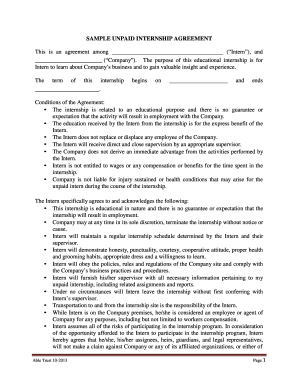
A Generator Rental Agreement is a formal document outlining the terms for renting generator equipment between a Lessor (owner) and a Lessee (renter). This document serves as a contract that details all responsibilities, conditions, and expectations involved in the rental period. The main purpose is to ensure both parties have a clear understanding of their roles and obligations. This includes specifications about the equipment, usage parameters, rental duration, costs involved, and any liabilities each party might incur. By defining these terms, the agreement minimizes potential disputes and provides legal protection for both parties.
Key Elements of the Generator Rental Agreement Template
Several critical elements form the backbone of a Generator Rental Agreement. These include:
- Parties Involved: Identification of the Lessor and Lessee, including contact information and official addresses.
- Equipment Details: Comprehensive description of the generator, including make, model, serial numbers, and condition.
- Rental Period: Explicit start and end dates for the rental term, including any provisions for early return or extensions.
- Financial Terms: Detailed breakdown of rental fees, security deposits, payment schedules, and methods.
- Responsibilities and Obligations: Clear outlining of maintenance responsibilities, usage limitations, and care instructions for the equipment.
- Liability and Insurance: Conditions for liability waivers, insurance requirements, and coverage for potential damages.
- Termination Conditions: Procedures and consequences related to early termination or breach of contract.
Steps to Complete the Generator Rental Agreement Template
Filling out the Generator Rental Agreement Template involves several structured steps to ensure accuracy and compliance:
- Gather Information: Collect all necessary details about the generator and both parties involved.
- Define Terms: Fill out specifics such as rental dates, fees, and obligations for maintenance and repairs.
- Review Legal Language: Ensure all legal terms and liabilities are clearly articulated.
- Signatures and Authorizations: The agreement must be signed by both parties to be legally binding.
- Finalize the Agreement: Both parties should retain copies for their records.
Legal Use of the Generator Rental Agreement Template
The Generator Rental Agreement must adhere to legal standards, particularly when it comes to liability and consumer protection laws in the U.S. It should be drafted in accordance with state-specific guidelines to ensure enforceability. The agreement may be subject to industry-specific regulations, such as electrical safety standards and licensing requirements. Having the document reviewed by a legal professional can ensure it meets all necessary legal criteria, thereby protecting both parties in case of a dispute.
Who Typically Uses the Generator Rental Agreement Template
This template is utilized by parties involved in the temporary transfer of generator property rights. Common users include:
- Construction Companies: Relying on generators for powering tools and machinery on-site.
- Event Planners: Renting generators for events where reliable power sources are necessary.
- Disaster Response Teams: Utilizing generator rentals to provide temporary power during emergencies.
- Agricultural Enterprises: Using portable generators for remote farming operations.


Software Compatibility
The Generator Rental Agreement Template can be managed and edited using various platforms. It is compatible with common office software such as Microsoft Word and Google Docs. Digital signing and editing tools like DocHub offer advanced features like electronic signatures and real-time collaboration. These platforms enhance the flexibility and efficiency of managing the document, particularly for those who prefer a seamless, digital-first approach.
Important Terms Related to Generator Rental Agreement Template
Grasping key terminology within the agreement is fundamental:
- Lessor and Lessee: Refers to the owner and renter of the equipment, respectively.
- Indemnity: Obligation of one party to cover potential losses or damages.
- Force Majeure: Clause that releases both parties from liability in case of unforeseen catastrophic events.
- Sub-Letting: Conditions under which the lessee may allow third parties to use the rented equipment.
State-Specific Rules for the Generator Rental Agreement Template
Regulations governing generator rentals may differ across states due to varying local laws and industry standards:
- California: Requires stringent adherence to environmental regulations for emissions.
- New York: Often mandates additional liability insurance due to urban populations.
- Texas: Leans heavily on invoices that detail the fuel consumption and efficiency ratings.
Familiarity with these state-specific factors is crucial for ensuring that the rental agreement is legally sound and tailored to geographic legal requirements.
Examples of Using the Generator Rental Agreement Template
Applying the Generator Rental Agreement in real scenarios provides clarity:
- Construction Site Support: A construction company needs portable power sources and enters into a rental agreement for multiple generators to cover various project sites.
- Event Organizers: An event planner uses the agreement to rent a generator to supply concert stages with uninterrupted power.
- Emergency Services: During a natural disaster, emergency response teams rent generators to maintain communication and medical facilities operational.
Each example highlights the adaptability and necessity of a structured agreement in diverse fields.