WATER CONSERVATION AND DROUGHT OR WATER SUPPLY 2026

Get Form
WATER CONSERVATION AND DROUGHT OR WATER SUPPLY Preview on Page 1

Here's how it works

01. Edit your form online
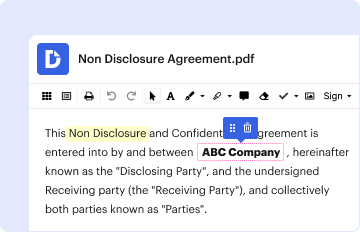
Type text, add images, blackout confidential details, add comments, highlights and more.

02. Sign it in a few clicks
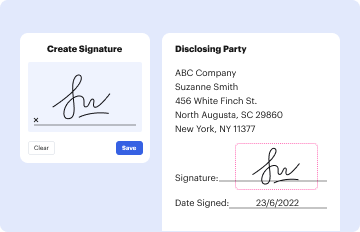
Draw your signature, type it, upload its image, or use your mobile device as a signature pad.

03. Share your form with others
Send it via email, link, or fax. You can also download it, export it or print it out.

Definition and Meaning of the Water Conservation and Drought Management Plan

The "Water Conservation and Drought or Water Supply Emergency Management Plan Report" is a strategic document designed for public water supply systems to outline their approaches for conserving water and managing water supply challenges during droughts or emergencies. It encompasses detailed processes surrounding the use and management of water resources, emphasizing compliance with Bureau of Water Allocation & Well Permitting regulations. This document serves as a roadmap for sustainable water management and aims to mitigate potential risks associated with water scarcity.

Purpose and Usage of the Water Conservation Plan

The primary usage of this plan is to ensure that water supply systems are prepared for both current and future demands while minimizing waste and maximizing efficiency. This plan is leveraged by water utilities to:


  • Establish benchmarks for water conservation activities.
  • Implement educational initiatives targeting public awareness about sustainable water usage.
  • Develop recovery strategies for periods of water scarcity through drought management techniques.
  • Ensure accurate data collection and reporting, which is critical for optimal resource management and regulatory compliance.

Steps to Complete the Water Conservation and Drought or Water Supply Plan

  1. Data Collection: Start by gathering information on current water sources, usage patterns, and weather forecasts.
  2. Set Goals: Identify clear objectives for water conservation and establish quantitative targets.
  3. Develop Strategies: Create specific action plans for demand management and supply optimization.
  4. Public Education: Launch education campaigns to inform the community about water conservation techniques.
  5. Review Regulations: Ensure compliance with local ordinances and regulations.
  6. Implementation: Activate the plan with continuous monitoring and adjustments based on real-time data.
  7. Reporting: Prepare detailed reports outlining conservation outcomes and adherence to set targets.

Key Elements of the Water Conservation and Drought Management Plan

  • Water Usage Analysis: An assessment of historical and current water usage to identify trends.
  • Resource Management: Strategies for managing peak usage and unaccounted-for water.
  • Drought Mitigation: Specific plans for reducing water consumption during droughts.
  • Public Engagement: Actions to increase community participation and understanding.
  • Regulatory Compliance: Adhering to the regulations of the Bureau of Water Allocation & Well Permitting.
  • Education and Outreach: Initiatives to educate stakeholders on efficient water use practices.

Who Typically Uses the Water Conservation and Drought Plan

  • Public Water Supply Systems: As the primary users, these systems utilize the plan to manage supply and demand efficiently.
  • Municipal Authorities: For oversight and ensuring adherence to local and state regulations.
  • Environmental Agencies: To monitor conservation efforts and evaluate overall efficiency.
  • Community Organizations: Facilitating awareness and educational programs within the local community.
decoration image ratings of Dochub

Legal and Compliance Aspects

This plan includes legal obligations to meet water conservation mandates set forth by both state and federal authorities. Each public water utility is required to have an updated plan that aligns with regulatory guidelines, ensuring both conservation goals and emergency strategies are in place.

Examples of Implementation

  • Urban Water Management: Cities have utilized similar plans to reduce water consumption by implementing tiered water pricing structures.
  • Agricultural Adjustments: Farmers are encouraged to adopt water-efficient irrigation techniques as outlined in these management plans.
  • Emergency Preparedness: In drought-prone areas, emergency water rationing measures have been effectively employed, following strategies laid out in such plans.

State-Specific Rules and Adaptations

State regulations may vary, necessitating customization of the water management plans. For example, Western states, which frequently face drought conditions, have more stringent conservation requirements and reporting procedures.

Form Submission Methods

Typically, public water supply systems may submit their water management plans via multiple channels:

  • Online Submissions: Through state-specific portals.
  • Mail: Physical copies sent to the relevant state department.
  • In-Person: Direct submission by visiting designated governmental offices.

Required Documents for Submission

  • Detailed water usage and conservation reports.
  • Proof of compliance with state and local water regulations.
  • Supporting documents showcasing public education efforts.

Each of these blocks covers a vital aspect of the Water Conservation and Drought or Water Supply Emergency Management Plan, ensuring a comprehensive understanding for those involved in water management and conservation efforts.

be ready to get more

Complete this form in 5 minutes or less

Get form

Got questions?

We have answers to the most popular questions from our customers. If you can't find an answer to your question, please contact us.
Contact us
A combination of natural and human-made factors causes water scarcity. Poor water management, population growth, and climate change reduce access to fresh water.
Main Causes of Water Scarcity Population Growth: Increasing population raises the demand for water for drinking, agriculture, and industry. Climate Change: Changes in rainfall patterns and prolonged droughts reduce water availability. Pollution: Contamination of water bodies makes water unsafe and limits usable supply.
By making conservation a way of life in California, we save water, minimize water waste, rebuild our underground aquifers, prepare for the uncertainties of climate change, and minimize the harmful effects of drought.
Water scarcity limits access to safe water for drinking and for practising basic hygiene at home, in schools and in health-care facilities. When water is scarce, sewage systems can fail and the threat of contracting diseases like cholera surges.
What are the causes of water scarcity? Water scarcity comes from three sources; pollution, population, and agriculture. While humans have built dams, wells, irrigation systems, and other water maintenance structures, these three areas are stressing out rivers, lakes, and aquifers.

Security and compliance

At DocHub, your data security is our priority. We follow HIPAA, SOC2, GDPR, and other standards, so you can work on your documents with confidence.

Learn more
ccpa2
pci-dss
gdpr-compliance
hipaa
soc-compliance
be ready to get more

Complete this form in 5 minutes or less

Get form

People also ask

Drought can result in impacts to water utility operations, including: Loss of water pressure and water supply. Poor water quality from the source that may require additional treatment to meet drinking water standards.
10 causes of water scarcity contributing to our current crisis Climate change. Marsabit, Kenya, during a recent drought. Natural disasters. War and conflict. Wastewater. Water waste. Lack of water data. Lack of international cooperation on shared water sources. Lack of infrastructure.
Water conservation refers to the prudent management and preservation of water resources to ensure their sustainable use for present and future generations. It involves reducing wastage, improving efficiency in water usage, and implementing strategies to replenish and protect water sources.

Related links