





Definition & Meaning
The Permission Form for Vision Screening is a document typically issued by health departments or educational institutions to acquire consent from parents or guardians for conducting eye screenings on children. This type of screening is crucial for early detection of conditions such as amblyopia, which, if left untreated, can lead to permanent vision impairment. The form serves as both a request for permission and an acknowledgment of the screening's purpose and procedures.
Importance of the Form
- Ensures Legal Compliance: The form is essential for legal compliance, ensuring that screenings are performed with appropriate consent.
- Protects Children's Health: By detecting vision issues early, interventions can be applied to prevent long-term damage.
- Facilitates Smooth Process: Obtaining consent beforehand allows for an organized, efficient screening process.
How to Use the Permission Form for Vision Screening
To use the Permission Form for Vision Screening effectively, institutions must follow certain steps to ensure clarity and completeness of the consent process. The following steps provide a detailed guide on how to navigate this process.
Understanding the Process
- Identify the Need: Determine why the vision screening is necessary, referencing specific health goals or regulatory requirements.
- Prepare the Form: Customize the form to include details pertinent to your institution and the specific vision screening.
Completing the Form
- Accurately Provide Information: Ensure all necessary details such as child's name, date, and the specific tests to be performed are clearly filled out.
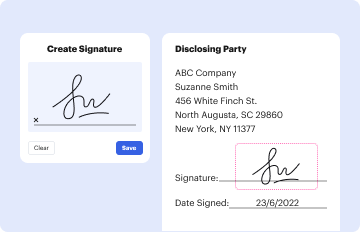
- Signature Requirements: Obtain the signature of a parent or guardian to authorize the screening, alongside a printed name and date for validation.
How to Obtain the Permission Form for Vision Screening
The form is typically available through state or local health departments, educational institutions, or online repositories that provide official document templates. It's crucial to acquire the correct version to ensure compliance with local regulations.
Sources for Acquiring the Form
- State Health Departments: Often provide official forms that include state-specific requirements.
- Educational Institutions: Schools may distribute these forms as part of their health programs.
- Online Platforms: Websites that offer digital document solutions, like DocHub, may have templates available for download.
Steps to Complete the Permission Form for Vision Screening
Completing the Permission Form for Vision Screening involves several steps aimed at ensuring accuracy and legal consent. Below is a guide to assist parents or guardians through the process.
Step-by-Step Completion Guide
- Fill Out Basic Information: Input the child’s name, guardian’s contact information, and date of birth.
- Read the Details Thoroughly: Understand the scope of the eye examination, including which tests will be conducted.
- Provide Health History: Include any known issues with the child's vision that may affect testing results.
- Sign and Date the Form: Acknowledging the understanding and agreement to the screening.
Why You Should Use the Permission Form for Vision Screening
Using a Permission Form for Vision Screening is essential for several reasons, particularly when focusing on compliance, health, and trust.
Primary Reasons for Usage
- Legal Protection: Provides documented evidence of parental consent, which is crucial for legal protection.
- Health Benefits: Enables early detection of vision issues, thus facilitating timely intervention.
- Trust Building: Reinforces trust between parents and the organization conducting the screening.
Who Typically Uses the Permission Form for Vision Screening
This form is most commonly used by schools, daycare centers, and health professionals who provide vision screening services to children. Institutions incorporate the form into their standard procedure to ensure they have legal consent from guardians.

Key Elements of the Permission Form for Vision Screening
The form comprises several critical components that must be addressed to ensure effectiveness and compliance.
Essential Components
- Personal Information Section: Includes details about the child and guardian.
- Consent Statement: Clearly explains the intent and scope of the vision screening.
- Signature Line: Space for guardian's signature and date of consent.
- Optional Sections: Additional information about health history or prior vision concerns.
Legal Use of the Permission Form for Vision Screening
Proper utilization of this form is governed by various legal guidelines and standards that organizations must follow.
Legal Considerations
- Compliance with Health Privacy Laws: Adherence to regulations such as the Health Insurance Portability and Accountability Act (HIPAA) ensures the protection of personal information.
- State Regulations: Compliance with specific state requirements, which might vary.
Examples of Using the Permission Form for Vision Screening
To better understand the application of this form, consider several scenarios where vision screenings are implemented.
Practical Examples
- School Programs: Schools may integrate screenings into annual health assessments using the form to streamline the process.
- Daycare Events: A daycare may organize a screening event, collecting consent via these forms prior to the day.
State-Specific Rules for the Permission Form for Vision Screening
Different states may impose unique regulations when it comes to vision screenings and the corresponding permission forms. It is essential for organizations to be aware of these variations to ensure compliance.
Example of State Variations
- California: Requires additional provisions regarding the sharing of screening results.
- New York: Might mandate separate consents for different age groups.


