







Definition & Meaning
The "STATE OF MICHIGAN IN THE 13TH CIRCUIT COURT" refers to legal proceedings and documents associated with the judicial system in the state of Michigan, specifically within the 13th Circuit Court. Circuit courts in Michigan handle a range of cases, including civil, criminal, family, and juvenile matters. The 13th Circuit Court serves a particular geographical area, often comprised of multiple counties, such as Antrim, Grand Traverse, and Leelanau. Understanding the specific nuances of this jurisdiction can be essential for effective legal navigation and compliance.
Key Elements of the STATE OF MICHIGAN IN THE 13TH CIRCUIT COURT
Key elements of proceedings in this court may include the filing of legal documents, adherence to state-specific procedural rules, and understanding jurisdictional authority. Parties involved in litigation should be aware of the roles of various actors, such as the judges, clerks, and attorneys, as well as the court's power to adjudicate certain legal issues. Familiarity with the local court rules and forms is critical to ensure compliance and facilitate the resolution of legal disputes.
Steps to Complete the STATE OF MICHIGAN IN THE 13TH CIRCUIT COURT
- Determine the Appropriate Forms: Identify which documents are necessary for your specific case type, such as complaints, petitions, or motions.
- Complete the Forms: Fill out each form accurately, providing all required information. Pay attention to details like names, dates, and legal descriptions.
- File the Documents: Submit the completed forms to the court. This can often be done online, in person, or by mail, depending on court preferences and capabilities.
- Serve the Documents: Ensure that all parties receive the necessary paperwork, following Michigan's rules for service of process.
- Attend Hearings: Participate in any scheduled court hearings, prepared to present evidence or argument as necessary.
How to Obtain the STATE OF MICHIGAN IN THE 13TH CIRCUIT COURT Forms
Forms for the 13th Circuit Court can typically be accessed through the court's official website or obtained in person from the court's clerk office. It's important to ensure you're using the most current version of any form and to verify any specific instructions provided for form completion. Some forms may also be completed electronically, streamlining the submission process.
Legal Use of the STATE OF MICHIGAN IN THE 13TH CIRCUIT COURT
The legal use of documents within the 13th Circuit Court includes initiating legal actions such as divorce, custody disputes, and civil claims, among others. The court provides a legal avenue for resolving disputes through fair and impartial adjudication. Proper use also involves adhering to Michigan state laws and local rules, ensuring that all actions taken within the court's jurisdiction are legally sound and defensible.
State-Specific Rules for the STATE OF MICHIGAN IN THE 13TH CIRCUIT COURT
Michigan has specific procedural rules that govern circuit court operations, including filing deadlines, document formats, and service requirements. Understanding these rules is critical for ensuring compliance and the successful progression of a case. For example, certain motions may have specific notice requirements or timelines that must be adhered to avoid dismissals or delays.
Penalties for Non-Compliance
Failure to comply with the court's rules and procedures can result in significant penalties. These may include fines, dismissal of claims, or other judicial sanctions. For example, missing a filing deadline or failing to serve documents correctly can negatively impact a case. Parties must ensure they understand and follow all relevant rules to avoid adverse outcomes.
Examples of Using the STATE OF MICHIGAN IN THE 13TH CIRCUIT COURT
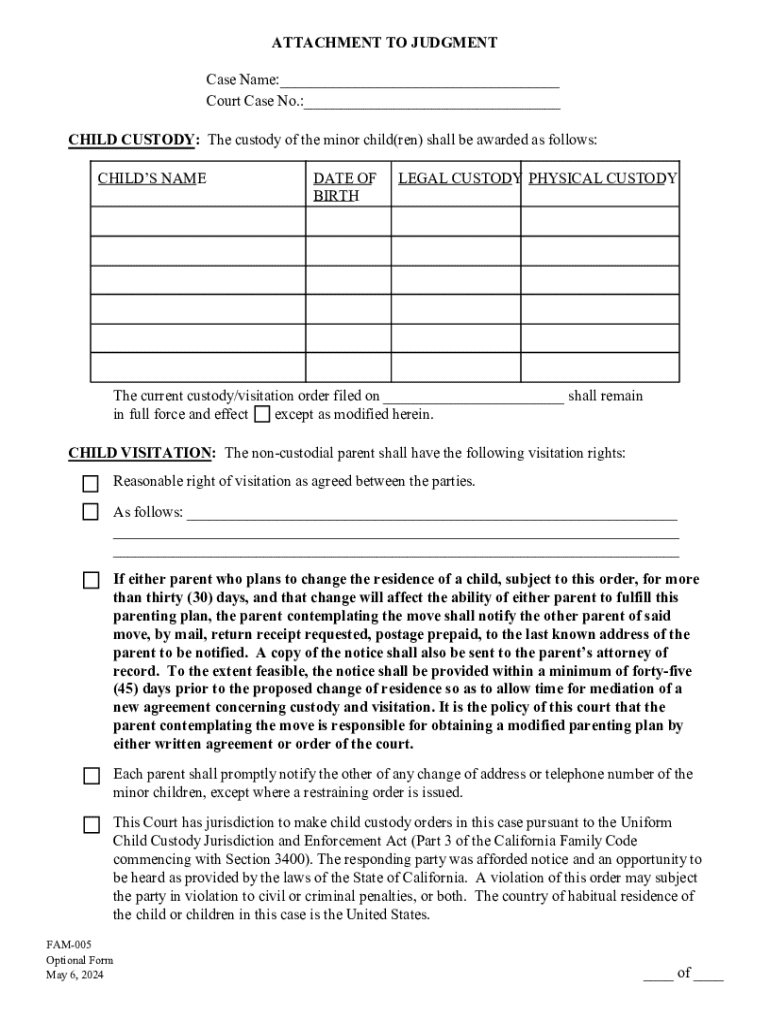
Examples include filing a petition for child custody, initiating divorce proceedings, or challenging a criminal charge within the 13th Circuit Court's jurisdiction. Understanding the court's process and documentation requirements is essential for pursuing these legal avenues. For instance, a party in a custody dispute would need to file appropriate motions and participate in mediation or hearings as dictated by court protocols.
Required Documents
Different cases require different sets of documents. Common documents include complaints, answers, motions for summary judgment, and various evidentiary forms. It is crucial to check with the court or legal counsel to ensure all necessary paperwork is filed correctly to support your case.
Filing Deadlines / Important Dates
Filing deadlines are critical in legal proceedings. The 13th Circuit Court follows a specific timeline for different case types, such as family law or criminal proceedings. Missing a deadline can impede a case's progress, so it is important to be knowledgeable about all relevant dates and any associated procedural requirements.




