




01. Edit your form online
Type text, add images, blackout confidential details, add comments, highlights and more.

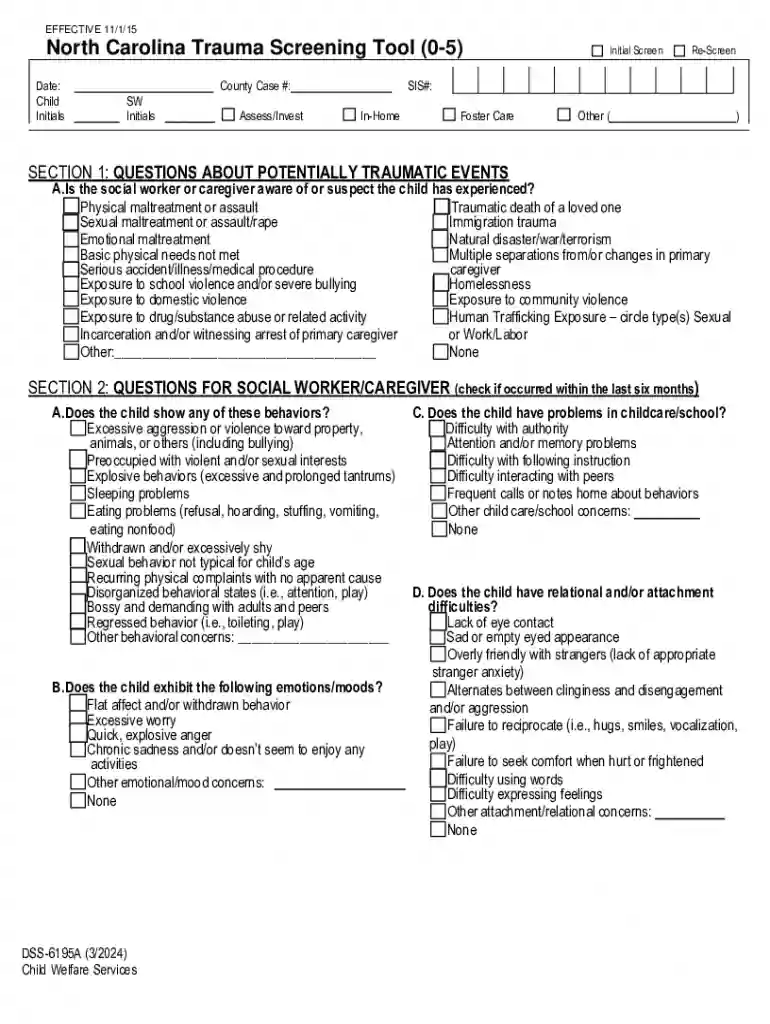
Type text, add images, blackout confidential details, add comments, highlights and more.

Draw your signature, type it, upload its image, or use your mobile device as a signature pad.

Send it via email, link, or fax. You can also download it, export it or print it out.
Forms in English are standardized documents used for various purposes, from legal and tax-related procedures to applications and educational tasks. These forms aim to structure information in a coherent and consistent manner, making it easier for individuals and organizations to gather, process, and utilize data.
Forms in English serve as a formalized way to collect information, ensuring that all necessary details are captured in a uniform format. They are designed to streamline processes, reduce errors, and enhance communication across different sectors.
Forms in English are versatile and used widely in both personal and business contexts.
Accessing and filling out Forms in English requires understanding the correct sources and platforms.
Accurately completing forms requires attention to detail and sometimes a step-by-step approach.
Using Forms in English carries legal responsibilities to ensure compliance with relevant laws and regulations.
Understanding key terms associated with Forms in English can improve accuracy and effectiveness.
Different forms serve various purposes, each with unique requirements and fields.
Certain forms may have state-specific requirements or variations that affect their use.
Many traditional paper forms now have digital versions, allowing for improved accessibility and convenience.
Understanding these aspects of Forms in English not only aids in their proper use but also ensures compliance and efficiency in processes requiring formal information exchange.
We've got more versions of the Forms in English form. Select the right Forms in English version from the list and start editing it straight away!
| Versions | Form popularity | Fillable & printable |
|---|---|---|
| 2024 | 4.1 Satisfied (23 Votes) |
At DocHub, your data security is our priority. We follow HIPAA, SOC2, GDPR, and other standards, so you can work on your documents with confidence.


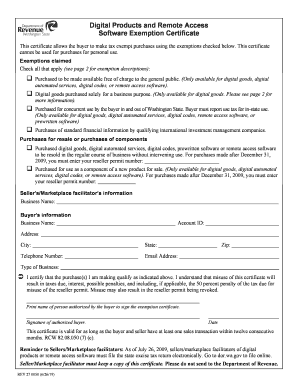


Infinitives and three main forms (v1, v2, v3) The first form of a verb (called v1) is the base form: register. The second form of a verb (v2) is the past-tense
Typically, contracted forms are formed when used with personal pronouns. A truncated verb and pronoun are separated by an apostrophe ( ):. I am Im [aɪm].Read more


