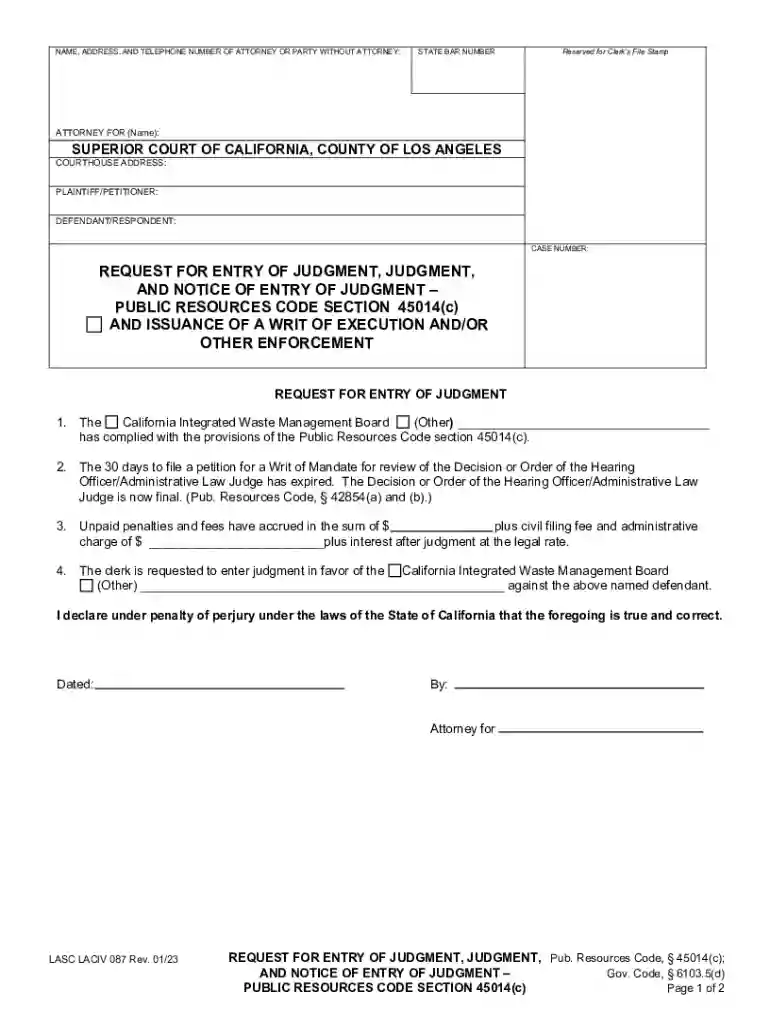
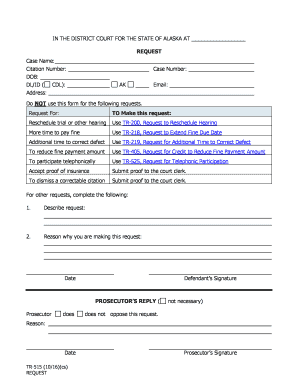
To prevent other people 2026

Get Form
To prevent other people Preview on Page 1

Here's how it works

01. Edit your form online
Type text, add images, blackout confidential details, add comments, highlights and more.

02. Sign it in a few clicks
Draw your signature, type it, upload its image, or use your mobile device as a signature pad.

03. Share your form with others
Send it via email, link, or fax. You can also download it, export it or print it out.

Definition and Meaning of "To Prevent Other People"

The form "To Prevent Other People" is a legal instrument that allows individuals to set restrictions or precautions to protect their personal information or assets. This form is generally utilized to ensure that sensitive data or resources are not accessed or tampered with by unauthorized parties. For example, it might involve stipulating access permissions within a business setting or sharing personal data among trusted entities only. This form is particularly relevant in scenarios where confidentiality and protection against unauthorized access are paramount.

Key Elements of the Form

Several core elements are included in the "To Prevent Other People" form to ensure its effectiveness:

  • Authorization: Clearly defines who is allowed access and what level of access is granted. This limits the risk of unauthorized interference.
  • Restrictions: Specifies the constraints imposed on data access or resource utilization to safeguard sensitive information.
  • Conditions: Outlines the circumstances under which access may be granted or denied, ensuring transparency in the process.
  • Purpose: States the reason why restrictions are being imposed, providing context to justify the form's use.

How to Use the "To Prevent Other People" Form

Proper usage of the form involves adhering to a few essential steps to maximize its protective capabilities:

  1. Identify Assets: Start by determining what information or resources need protection. Examples include intellectual property, customer data, or financial records.
  2. Define Access Levels: Establish which individuals or roles require access and to what extent. This may involve specifying read permissions versus write permissions.
  3. Set Conditions: Clearly outline the conditions under which access may be granted. For example, access might only be given during business hours.

Practical Scenarios

To illustrate the form's practical applications, consider a small business owner who wants to limit access to certain financial records to only senior managers within the company. By utilizing this form, the owner can effectively enforce these access restrictions while ensuring accountability.

Steps to Complete the "To Prevent Other People" Form

Filling out this form requires careful attention to detail to ensure it meets its intended purpose:

  1. Gather Necessary Information: Collect all relevant data concerning the information or resources requiring protection.
  2. Fill in Access Details: Specify the individuals or entities who will be granted or restricted access.
  3. Outline Restrictions: Clearly articulate any limitations or conditions, using precise language to avoid ambiguity.
  4. Review and Verify: Double-check the form for accuracy to ensure it conveys the intended restrictions effectively.

Variations and Exceptions

The form might include additional provisions for special cases such as temporary access permissions for third-party contractors. These exceptions should be integrated into the form to maintain flexibility while upholding security.

Legal Use of the "To Prevent Other People" Form

This form often functions within a legal context, providing a framework for preventing unauthorized access. It's crucial to recognize legal stipulations associated with its use:

  • Compliance with Regulations: Ensure adherence to relevant federal and state regulations when completing the form.
  • Contractual Obligations: This form can act as an enforceable contract if such terms are violated.

Important Terms Related to "To Prevent Other People"

Understanding terminology related to this form is essential for accurate completion and enforcement:

  • Transparency: The clarity with which permissions and restrictions are defined.
  • Accountability: Ensuring that granting access aligns with specified policies and includes tracking access events.

Examples of Terminology in Action

"Transparency" might mean explicitly listing authorized individuals on the form, whereas "accountability" involves implementing tracking measures to audit access logs.

Software Compatibility

The form may involve integration with various software systems to streamline its application and execution:

  • CRM Systems: Align with customer relationship management software to protect customer data by integrating predefined access restrictions.
  • Document Management: Utilize systems that enforce digital permissions to maintain document integrity and security.

Examples of Compatible Software

Platforms like DocHub provide functionalities for setting restrictions, exemplifying how modern software facilitates the effective use of the form.

Digital vs. Paper Version

Choosing between digital and paper versions of the form depends on the user's specific needs and ability to handle technical requirements such as:

  • Accessibility: Digital forms are easily accessible and shareable.
  • Security: Digital versions often include encryption for safer handling of sensitive information.

Benefits of Digital Formats

Digital formats offer features like electronic signatures and automated tracking of access events, enhancing both usability and security. This ensures more robust compliance and protection through technology-enhanced solutions.

State-Specific Rules for the "To Prevent Other People" Form

Regulations may vary by state, affecting how the form can be used and what legal weight it carries. It's critical to understand:

  • Jurisdictional Variance: Recognizing which state laws apply and adapting the form's contents accordingly.
  • Local Compliance: Ensuring the form meets local legal requirements to ensure enforceability.

Case Study: State Differences

For instance, the form's application within California might require additional consumer protection clauses that differ from those in Texas, highlighting the necessity for region-specific customization.

Penalties for Non-Compliance

Failing to adhere to the restrictions outlined in the form can result in legal consequences, including:

  • Fines or Sanctions: Unauthorized access might lead to monetary penalties enforced by regulatory bodies.
  • Legal Action: Breach of contract situations could lead to lawsuits and further liability.

Understanding these potential consequences underscores the importance of compliance and the utility of the form in preventing misuse.

be ready to get more

Complete this form in 5 minutes or less

Get form

Got questions?

We have answers to the most popular questions from our customers. If you can't find an answer to your question, please contact us.
Contact us
transitive verb. To prevent someone from doing something means to make it impossible for them to do it. He said this would prevent companies from creating new jobs. Its nationals may be prevented from leaving the country. prevent
0:00 1:19 Only then press triangle to apply this. And says choose whether you go into matchmaking. With otherMoreOnly then press triangle to apply this. And says choose whether you go into matchmaking. With other players. Or uh just your friends. So you can pretty much make your session private.

Security and compliance

At DocHub, your data security is our priority. We follow HIPAA, SOC2, GDPR, and other standards, so you can work on your documents with confidence.

Learn more
ccpa2
pci-dss
gdpr-compliance
hipaa
soc-compliance