



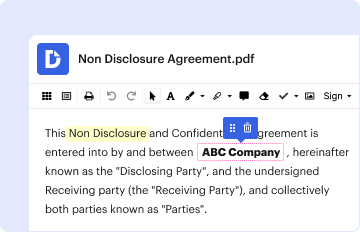
01. Edit your form online
Type text, add images, blackout confidential details, add comments, highlights and more.

Type text, add images, blackout confidential details, add comments, highlights and more.
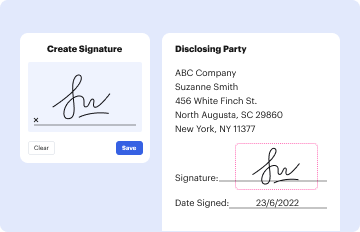
Draw your signature, type it, upload its image, or use your mobile device as a signature pad.

Send it via email, link, or fax. You can also download it, export it or print it out.
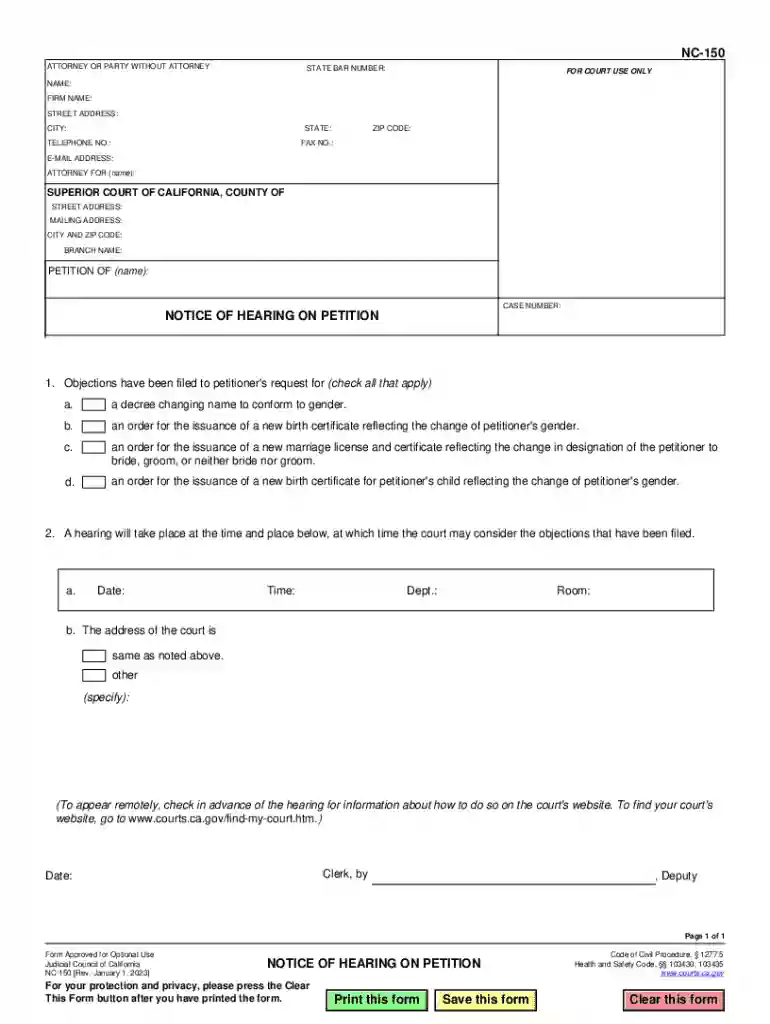
The "NC-150 Notice of Hearing on Petition" is a legal document used primarily in the Superior Court of California. It serves as official communication to inform relevant parties about an upcoming hearing related to petitions for name and gender changes. The document is crucial in ensuring that all interested parties are aware of the legal proceedings, particularly when objections to the petition are involved. The notice typically includes essential details such as the hearing's date, time, and location.
The primary purpose of the NC-150 is to facilitate a structured legal process involving name and gender change petitions. It ensures that the petitioner, and any other parties who may object to the petition, have adequate time and information to prepare for the hearing. By outlining the objections and scheduling details, the document plays a vital role in maintaining transparency and fairness within legal proceedings.
Proper usage of the NC-150 ensures legal compliance and smooth progression through the name and gender change process. The form must be filled accurately and distributed to all relevant parties.
Acquiring the NC-150 form involves a few straightforward steps, usually facilitated by local court resources or online legal platforms.
Completing the NC-150 form accurately is crucial to ensure legal proceedings are not delayed.
The NC-150 form comprises several critical sections that must be completed accurately to meet court requirements.
The NC-150 is subject to specific rules and regulations that vary by state, and in this case, are tailored to California.
Understanding the legal context within which the NC-150 operates is essential for its effective use.
The NC-150 is typically used by individuals involved in legal name and gender change proceedings.


We've got more versions of the NC-150 Notice of Hearing on Petition form. Select the right NC-150 Notice of Hearing on Petition version from the list and start editing it straight away!
| Versions | Form popularity | Fillable & printable |
|---|---|---|
| 2023 | 4.2 Satisfied (24 Votes) |
At DocHub, your data security is our priority. We follow HIPAA, SOC2, GDPR, and other standards, so you can work on your documents with confidence.



Cohesity gives you both data security and data management. Defend against ransomware with immutable backup, AI-based early threat detection, and rapid data
The clerk is directed to issue the writ without notice to the respondent(s) if the petition is properly filed and is in proper form. statutory rights of notice
NC-150 Notice of Hearing on Petition. Objections have been filed to petitioners request. A hearing will take place at the time and place below,


