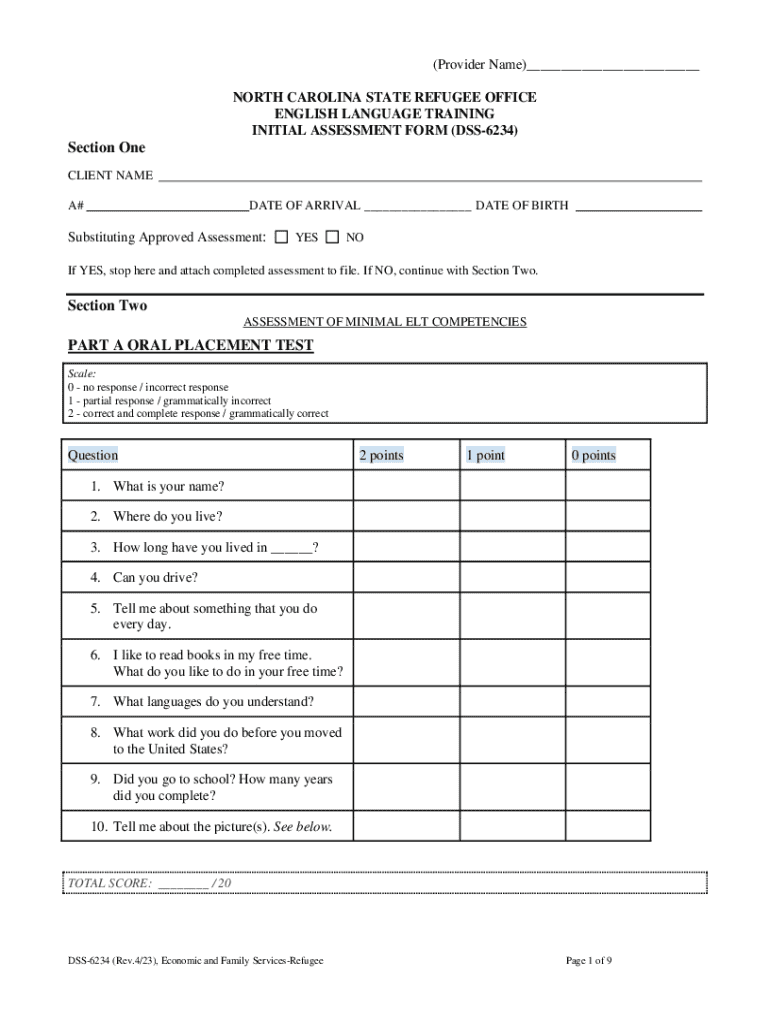







Definition and Meaning of "Connecting Newly Arrived Refugees to Health Care in"
The form "Connecting Newly Arrived Refugees to Health Care in" is designed to facilitate the transition of refugees into the U.S. healthcare system. This document aims to bridge the gap for newly arrived refugees, ensuring they have access to essential healthcare services. It serves as a crucial tool for healthcare providers and support organizations working to meet the medical needs of refugees. The form collects vital information that helps guide the integration of refugees into community health networks, providing them with necessary resources for their physical and mental well-being.
How to Use the Form Effectively
To effectively use the "Connecting Newly Arrived Refugees to Health Care in" form, it is essential to understand its structure and purpose. Users must first ensure that all personal and contact information of the refugees is accurately recorded. The form should include specific details:
- Personal identification information such as name, date of birth, and country of origin.
- Contact information, including a current address and phone number.
- Medical history and known health conditions.
- Language preferences for medical service communication.
Once these sections are completed, the form helps healthcare workers and volunteers coordinate appointments, arrange for medical evaluations, and ensure that language and cultural barriers do not hinder access to healthcare services.
Steps to Complete the Form
Completing the form involves several strategic steps:
- Gather Necessary Information: Start by collecting relevant information from the refugees, ensuring accuracy in personal and medical history details.
- Identify Health Needs: Determine immediate health needs and prioritize healthcare services that require immediate attention.
- Coordinate with Healthcare Providers: Share the collected information with local healthcare facilities and providers, facilitating smooth and timely access to medical evaluations and treatments.
- Maintain Confidentiality: Ensure that all sensitive health information is protected, adhering to privacy laws and regulations.
- Follow-Up: After the initial completion of the form, conduct follow-up sessions to ensure that all health services have been successfully accessed and that ongoing support is provided.
Why Use the Form for Refugees?
Using the "Connecting Newly Arrived Refugees to Health Care in" form is crucial for several reasons:
- Streamlined Access: It ensures streamlined access to healthcare by gathering and sharing necessary information with service providers.
- Improved Health Outcomes: By facilitating timely medical evaluations, the form helps improve health outcomes for refugees, addressing acute and chronic conditions effectively.
- Compliance: It helps organizations and healthcare providers stay compliant with refugee health program requirements at the state and federal levels.
- Resource Allocation: The form aids in the optimal allocation of resources, ensuring that refugees receive comprehensive healthcare services suited to their needs.
Important Terms Related to the Form
Understanding the following terms is essential for using the form:
- Refugee Health Program: A government or non-profit initiative aimed at providing healthcare services to refugees.
- Cultural Competence: The ability of service providers to effectively deliver healthcare services that meet social, cultural, and linguistic needs of refugees.
- Case Manager: A professional responsible for coordinating healthcare services and resources for refugees.
Key Elements of the Form
The form consists of several key elements that are crucial for its effective use:
- Demographic Information: Includes the refugee's background, such as nationality and family structure.
- Medical History: Documents known health issues and vaccination history.
- Language Support: Information on language preferences and need for translation services.
- Consent and Confidentiality: Sections ensuring that refugees give informed consent for their data to be used and shared with healthcare providers, maintaining confidentiality.
State-Specific Rules for Refugee Healthcare
While the overall purpose of the form remains consistent nationwide, some state-specific regulations can affect how it is used:
- State Health Benefits: Different states offer varying levels of health benefits and services to refugees.
- Local Health Services: Availability and access to certain health services may depend on state health resources and policies.
- Legal Obligations: States might have specific legal requirements related to refugee health documentation and consent.
Examples of Using the Form
Several case studies illustrate the efficacy of the form:
- Case Study 1: A refugee family in California successfully used the form to access child healthcare services, ensuring timely vaccinations and wellness checks.
- Case Study 2: In Texas, the form facilitated mental health support for refugees, providing necessary counseling services through coordinated initiatives.
These scenarios demonstrate how the form's systematic approach helps integrate refugees into the U.S. healthcare system, ensuring that they receive necessary attention and care tailored to their unique needs.