




01. Edit your form online
Type text, add images, blackout confidential details, add comments, highlights and more.

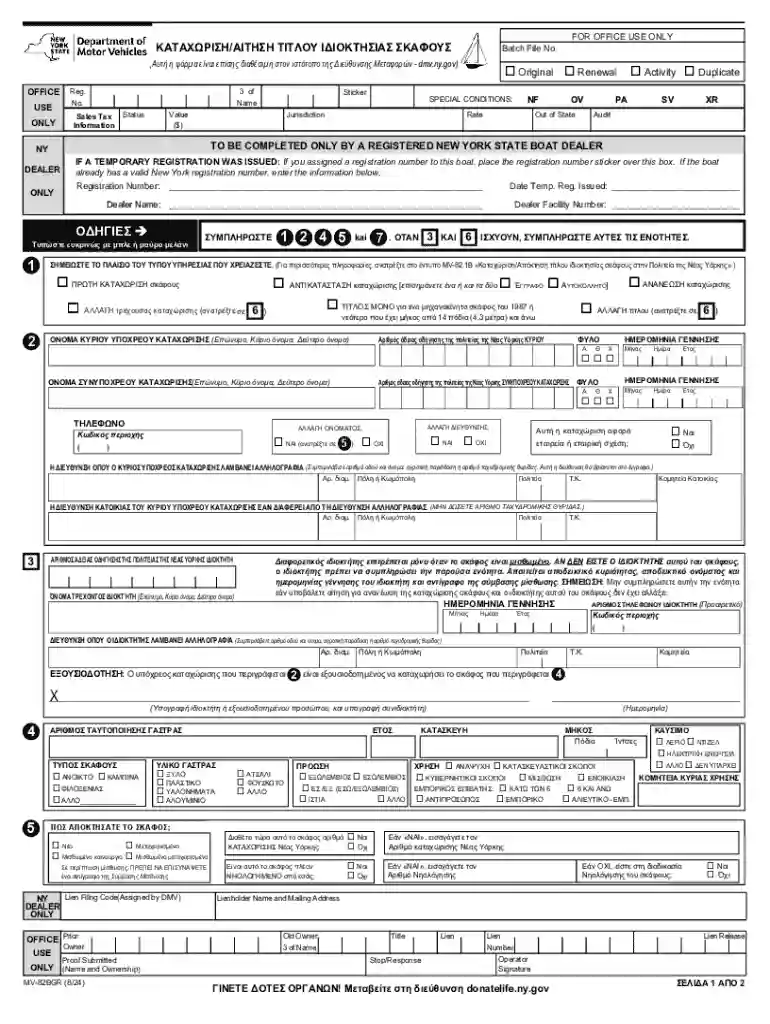
Type text, add images, blackout confidential details, add comments, highlights and more.

Draw your signature, type it, upload its image, or use your mobile device as a signature pad.

Send it via email, link, or fax. You can also download it, export it or print it out.
"Form online" refers to a digital version of a document that users can access, fill out, and submit via the internet. This digital transition from paper forms to online formats has streamlined the process across various applications, ranging from administrative tasks and legal filings to job applications and surveys. The fundamental benefit is the ability to access and complete forms from anywhere with internet connectivity, eliminating geographical and physical constraints. By offering an online alternative, organizations ensure wider reach, efficiency in processing, and reduced environmental impact due to paper saving.
Access the Form:
Fill Out the Form:
Review Your Entries:
Submit the Form:
Forms online can typically be obtained in a few straightforward steps. Users should begin by visiting the official website of the issuing authority. For instance, government forms are usually available on specific state or federal websites. Once there, users can utilize search functions or navigation menus to locate the desired form. Often, documents are grouped by category, such as tax forms, registration applications, or employment paperwork. Once identified, users can download the form directly to their device or begin filling it out immediately on the platform if digital submission is supported.
Online forms encompass several core elements that enhance usability and ensure completeness:
Platforms like DocHub enhance form interaction by ensuring compatibility with widely-used software systems such as Google Workspace and Microsoft Office. This compatibility allows users to import or export documents easily, minimizing technical barriers. Additionally, forms may offer integration capabilities with platforms like TurboTax and QuickBooks, which are extensively utilized for tax-related processes and financial documentation, facilitating smoother transitions from data entry to application filing.
Forms online have legal standing when designed in compliance with regulatory standards. U.S. laws, such as the ESIGN Act, endorse the validity of electronic documents and signatures when properly authenticated. Platforms offering forms online will include mechanisms like secure logins, audit trails, and encryption to ensure that the submission process aligns with legal requirements. These measures provide assurance that data is collected and used responsibly, safeguarding users' information while supporting transparency.
Different states may impose specific regulations or adaptations for online forms. These variations can include tailored fields to reflect state laws, additional documentation requirements, or distinct submission protocols. Users must be aware of these nuances by consulting official state resources or reaching out to the form issuer directly. Ensuring compliance with these specific rules is crucial for valid submissions, especially for formal applications like licensing, registration, and tax filings.
To illustrate how forms online function, consider a few scenarios:
These examples highlight the efficiency, accessibility, and widespread applicability of online forms across various sectors.
We've got more versions of the New York Boat Registration Form form. Select the right New York Boat Registration Form version from the list and start editing it straight away!
| Versions | Form popularity | Fillable & printable |
|---|---|---|
| 2024 | 4.7 Satisfied (29 Votes) |
At DocHub, your data security is our priority. We follow HIPAA, SOC2, GDPR, and other standards, so you can work on your documents with confidence.


Boating Information Center visitors may register for a drawing for a free boating class registration. Anyone born after May 1, 1996, must pass an approved
form MV-82.1B Registering/Titling a Boat in New York State.) Proof of ownership, proof of owners name and date of birth and copy of the leasing agreement


