




01. Edit your form online
Type text, add images, blackout confidential details, add comments, highlights and more.

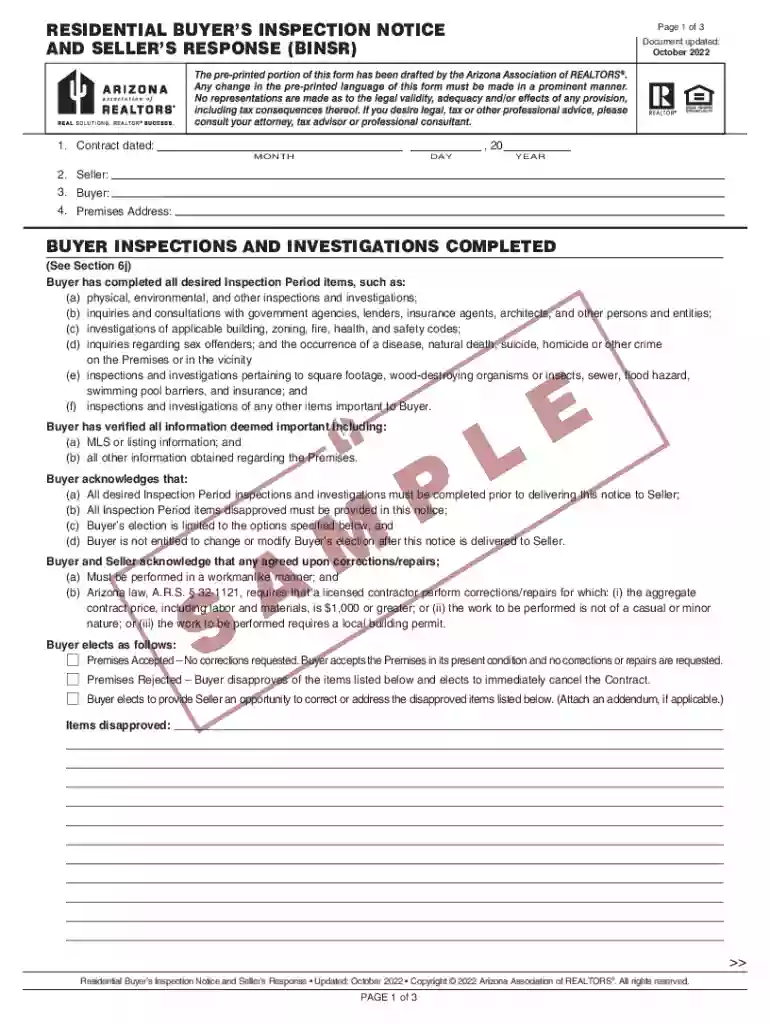
Type text, add images, blackout confidential details, add comments, highlights and more.

Draw your signature, type it, upload its image, or use your mobile device as a signature pad.

Send it via email, link, or fax. You can also download it, export it or print it out.
"Form online" refers to digital versions of documents that can be completed and submitted over the internet. These forms are designed for convenience and accessibility, enabling users to fill them out from anywhere with an internet connection. They eliminate the need for physical paperwork and can often be stored and accessed electronically. This process streamlines data collection and submission, providing an efficient option for individuals and businesses.
Using forms online can vary depending on the platform or service being utilized. Generally, the process involves opening the form on a reliable device with internet access. After accessing the form through a secure link or platform, users typically fill in the required fields with the necessary information. Many platforms offer features such as auto-save, allowing users to save progress and return to complete the form at a later time if needed. After all fields are filled, the user can then submit the form by following the provided instructions, often including a button labeled "Submit" or "Finish".
Filling out forms online offers numerous benefits. This method is environmentally friendly as it reduces paper usage. It also enhances efficiency by allowing for quick edits and submissions, often with real-time error-checking features to prevent incomplete applications. Users can access forms 24/7 without geographical restrictions, making it especially convenient for global or time-sensitive needs.
Many institutions utilize online forms for various purposes. Government agencies provide forms for tax registrations and welfare applications. Educational institutions offer admission applications via online forms. Businesses employ online forms for client onboarding processes, customer feedback, and internal administrative needs.
Legally, online forms must comply with digital signing laws that ensure the validity and enforceability of submitted documents. For example, compliance with the ESIGN Act in the United States ensures that electronic signatures on forms are considered legally binding. Users are advised to check for authenticity indicators on the submission platform to confirm legal use.
Online forms are often designed to be compatible with software like DocHub, TurboTax, or QuickBooks, which can autofill data and expedite the completion process. Such compatibility ensures that the information entered is consistent and easily transferable between related systems.
Digital forms are more flexible and efficient than their paper counterparts. They can be completed and submitted remotely, with additional features like validation checks to minimize errors. In contrast, paper forms must be mailed or delivered in person, which can be time-consuming and prone to manual errors.
We've got more versions of the Residential Buyer s Inspection Notice and Seller s Response form. Select the right Residential Buyer s Inspection Notice and Seller s Response version from the list and start editing it straight away!
At DocHub, your data security is our priority. We follow HIPAA, SOC2, GDPR, and other standards, so you can work on your documents with confidence.




Keeps home search, favorites, and appointments organized for buyers and sellers Agent-led workflows help coordinate next steps on a transaction.Read more
The term, As Is, means that a seller has decided in advance of soliciting offers that he or she will not make any repairs to the listed property.


