






Definition and Purpose of Online Forms
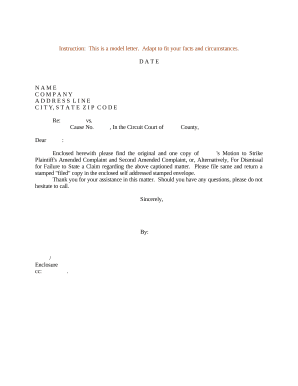
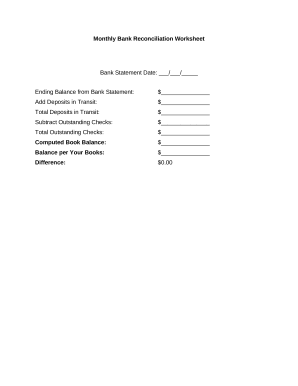
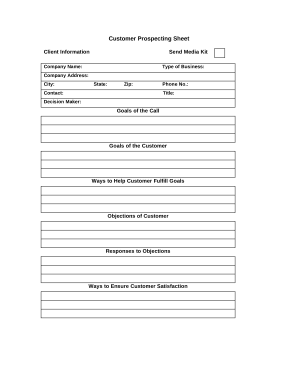
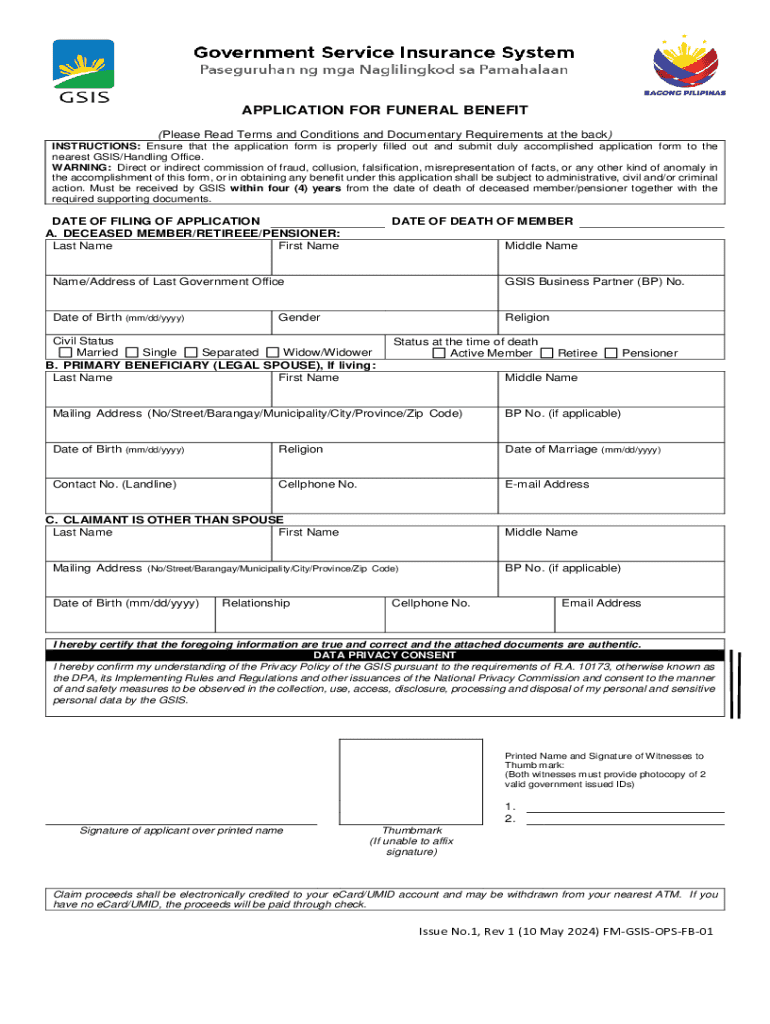
Online forms are digital versions of paper forms, designed for efficient data collection and management over the internet. They serve as tools to gather information from users, such as personal details, survey responses, application data, and more. These forms improve accessibility and ease of use by allowing individuals to fill out and submit them from any location with internet connectivity. The convenience of online forms eliminates the need for physical paperwork and expedites processes that traditionally required manual entry.
Steps to Complete Online Forms
-
Access the Form: Start by visiting the website hosting the form you need to complete. Look for links or sections labeled "Forms" or use the search function if available.
-
Read Instructions: Before filling out the form, read all provided instructions carefully. This will help you understand the requirements and avoid errors.
-
Fill Out Required Fields: Enter your information into the mandatory fields. Pay attention to fields marked with an asterisk (*) as they typically denote required information.
-
Review and Validate: Before submitting, review all your entries for accuracy. Many online forms include validation steps, such as error messages for incorrect entries.
-
Submit the Form: Once you are confident that all information is correct, click the submit button. Confirmation of submission often follows, either on the webpage or via email.
Importance of Using Online Forms
The use of online forms streamlines data collection and processing, offering several advantages:
- Efficiency: Reduces time spent on data entry and processing.
- Cost-Effective: Lowers costs associated with printing and storing physical documents.
- Accessibility: Users can access forms from various devices, including smartphones and tablets.
- Automation: Facilitates data integration with other systems, enhancing workflows and productivity.
Who Typically Uses Online Forms
Online forms are utilized by a wide range of individuals and organizations:
- Businesses: For customer feedback, registrations, and surveys.
- Educational Institutions: For student applications, surveys, and polls.
- Government Agencies: For public services applications such as permits and licenses.
- Nonprofit Organizations: For volunteer applications and event registrations.
Legal Use of Online Forms
Online forms must comply with legal standards and regulations to ensure data protection and privacy. This includes adherence to laws such as the General Data Protection Regulation (GDPR) in Europe and other country-specific regulations. It is crucial to include privacy notices and obtain consent from users before collecting personal data.
Key Elements of Online Forms
- Field Types: Includes text fields, checkboxes, radio buttons, dropdown lists, and file upload options to accommodate different data inputs.
- Instructions: Clear guidelines and instructions to help users complete the form correctly.
- Privacy Statement: Information on how collected data will be used and protected.
Examples of Using Online Forms
Online forms are versatile and can be employed in numerous scenarios:
- Job Applications: Automating the hiring process by collecting applicant information.
- Event Registration: Enabling participants to register and make payments online.
- Customer Satisfaction Surveys: Gathering feedback to improve products and services.
Software Compatibility for Online Forms
Online forms can be integrated with various software platforms to enhance functionality:
- Customer Relationship Management (CRM) Systems: To store and analyze customer data.
- Email Marketing Tools: For capturing and segmenting subscriber lists.
- Payment Gateways: To process transactions securely.
Filing Deadlines and Important Considerations
When using online forms, it is essential to be aware of any filing deadlines that may apply, particularly for forms related to taxes or other legal obligations. Missing a deadline can result in penalties or delayed processing, so timely submission is critical.
Understanding these aspects helps ensure that online forms are used effectively and efficiently in both personal and professional settings.