
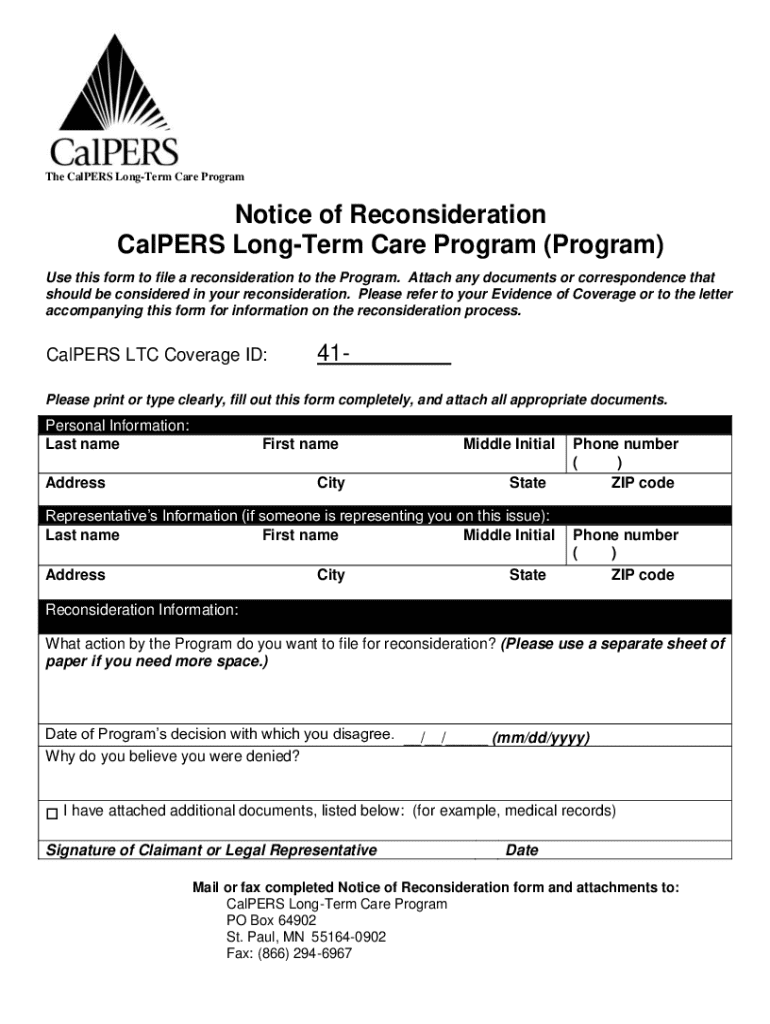







Definition & Meaning
Understanding the "form online" involves recognizing it as a digital document designed for completion and submission over the internet. These forms are utilized across various sectors, including government services, business transactions, and legal procedures, to streamline processes and reduce the need for paper-based transactions. Online forms are crucial for efficient data collection and management, allowing users to fill in information digitally, which can be automatically stored and processed. This type of form enhances accessibility, enabling users to access and submit the necessary information from anywhere, provided they have internet connectivity.
How to Obtain the Form Online
To obtain a form online, users typically need to access the website of the issuing organization or platform, such as DocHub. Once on the site, users may navigate to a section dedicated to forms, often labeled as "Forms" or "Resources." These sections provide lists of available forms that can be downloaded or filled directly using the online editor. Most platforms allow forms to be customized and exported once completed, providing flexibility in how users utilize these documents. The process often includes options to save the form locally or store it within cloud-based services linked to the user's account.
Steps to Complete the Form Online
- Access the Form: Start by locating the specific form you need on the platform. This might involve searching via a form number or name.
- Fill in Required Fields: Enter the necessary information in the designated fields. These fields may include personal information, subject details, and any required declarations or agreements.
- Use Interactive Features: Leverage interactive elements such as dropdown menus, checkboxes, and digital signature fields to complete the form.
- Review the Form: Ensure all information is accurately entered. Double-check for completeness and ensure that no mandatory fields are left blank.
- Save and Export: Once completed, save a copy of the form for your records. Many platforms enable you to export the form as a PDF or other document types.
- Submit the Form: Submit the form according to the platform’s submission guidelines, whether via direct upload, email, or another method.
Key Elements of the Form Online
- Fillable Fields: Include spaces for text, numbers, dates, and other data types. These fields adapt to the type of information required.
- Interactive Elements: Features such as checkboxes, dropdown selections, and radio buttons simplify the completion process and reduce errors.
- Digital Signature Options: Allow users to sign electronically, making the form legally binding and easy to validate.
- Navigation Aids: Help users move through the form efficiently, often including progress indicators or tabs.
- Security Features: Ensure data protection through encryption and authentication protocols, keeping user information safe.
Legal Use of the Form Online
Online forms are legally binding when compliant with regulations such as the ESIGN Act, which validates electronic signatures. Certain forms, particularly in legal or financial contexts, require that all necessary authorization protocols are followed to ensure their validity. Users must ensure they fully understand any legal implications associated with the form’s completion and submission, as incorrect or dishonest submissions can lead to penalties or invalidation.
Who Typically Uses the Form Online
Users of online forms span across varied demographic and professional groups:
- Individuals Seeking Services: Such as government benefits, licenses, or applications where personal information submission is required.
- Businesses and Corporations: Using forms for transactions, agreements, and compliance documentation.
- Legal and Financial Professionals: Who require efficient data collection and documentation processes.
- Students and Educators: Engaged in administrative processes such as enrollments and grant applications.


Examples of Using the Form Online
Consider a scenario where a business owner needs to file a W-9 form. They obtain and complete the form online, using interactive features to enter business details and sign digitally. Upon verification, they submit the form to a client electronically, ensuring a swift and secure transaction. Similarly, students might use online forms to submit scholarship applications, utilizing digital upload features for supplemental documents.
Software Compatibility
Documents completed as forms online are often compatible with various software, such as TurboTax and QuickBooks. This compatibility ensures that the forms can be integrated into existing workflows for financial reporting and tax submissions. Using such software, users can import and validate information seamlessly, reducing the risk of errors during transmission between systems.
Disclosure Requirements
Completing forms online may require disclosing specific types of information. Depending on the form's nature, users might need to provide records like income statements, identification numbers, or proof of eligibility. It’s crucial for users to supply accurate and truthful information, as failing to meet disclosure requirements can result in penalties or legal complications. Transparency is key in ensuring the form's acceptance and efficacy.




