






The Meaning and Function of "Form Online"
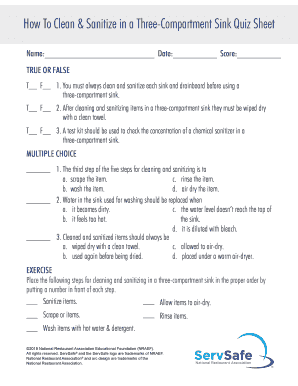
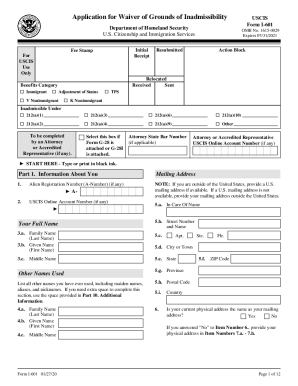
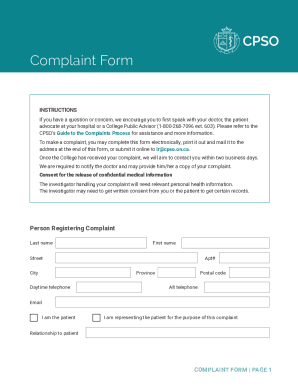
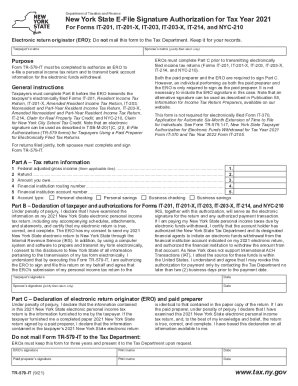
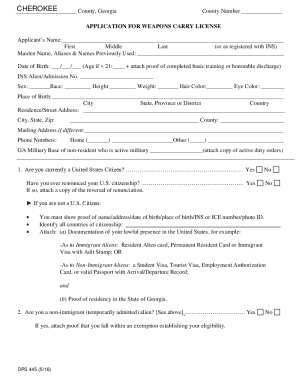
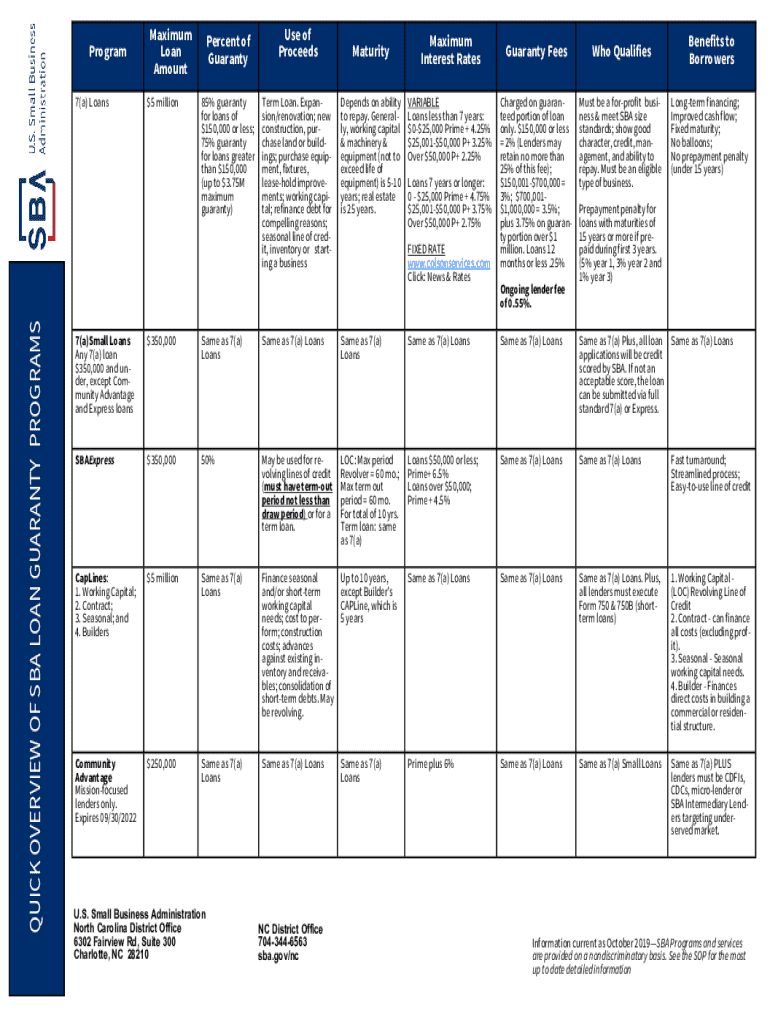
"Form online" refers to the process of accessing, completing, and submitting various documents through digital platforms. This modern approach allows individuals and businesses to handle paperwork efficiently, streamlining tasks like applications, registrations, and compliance reporting. The rise of online forms has greatly improved accessibility, as they can be accessed anytime and anywhere with an internet connection. This digital transition also enhances accuracy by minimizing manual errors associated with traditional paper forms and facilitates faster processing times.
How to Use Forms Online Effectively
Using forms online effectively requires a few key steps to ensure accuracy and efficiency. First, identify the specific type of form you need and select the appropriate platform, such as DocHub, that offers the required document. Import the form from your cloud storage or local drive if necessary. It is important to read through the instructions carefully before inputting any information. Most platforms offer tools to help fill out forms accurately, such as auto-fill options or pre-set templates, which can reduce the likelihood of errors. Finally, review all the information before submitting the form digitally to ensure completeness and correctness.
Steps to Complete Forms Online
- Access the Form: Find the form you need on a reliable online platform or website that offers secure document handling.
- Open the Form: Use an editor like DocHub, which supports various file formats, to open the form directly from your device or cloud storage.
- Fill in the Required Information: Use available tools to type, check, or select information in designated fields.
- Review the Form: Carefully check all entries for accuracy and completeness, paying close attention to any mandatory fields.
- Sign the Document: Utilize electronic signature options, ensuring your signature is legally binding, as outlined by the ESIGN Act.
- Submit or Save the Form: Once verified, submit the form as required or save a copy for personal records or future reference.
Benefits of Completing Forms Online
Completing forms online is advantageous for several reasons. It enhances convenience, as digital forms can be filled out from any device with internet access, eliminating the need for physical paperwork. Online forms also allow for real-time collaboration and digital signatures, expediting processes that require multiple approvals. Additionally, completing forms online can improve data accuracy since many platforms offer features to validate entries and reduce human error. This approach can save time and resources, making it particularly beneficial for businesses and individuals who manage large volumes of documents.
Common Users of Online Forms
A wide range of individuals and entities use online forms, including businesses, government agencies, non-profits, and educational institutions. Small to medium enterprises benefit greatly as online forms facilitate streamlined operations, especially in HR processes like onboarding and leave applications. Government agencies use online forms for tax filings, applications for permits, and public records. Additionally, students and educators utilize online forms for admissions, course registrations, and feedback surveys. This versatility underscores the value of online forms across various sectors and demographics.

Required Documents for Online Form Completion
Completing an online form may require several supporting documents, depending on the form's purpose. Commonly needed documents include identification proofs (e.g., driver's license, passport), financial records (e.g., pay stubs, bank statements), and previous applications or certificates related to the form's context. It's essential to gather and digitize these documents in advance to facilitate quick and smooth completion. Most platforms allow users to upload these documents directly, easily attaching them to the relevant sections of the form.
Privacy and Legal Considerations for Forms Online
When using forms online, privacy and security are paramount. Platforms like DocHub ensure documents are encrypted during transfer and storage to protect sensitive information. Legal compliance, such as adhering to data protection regulations, is also crucial. Always verify that the platform complies with relevant laws, offering features like password-protected forms and audit trails to maintain transparency and security. Furthermore, respect trademark and copyright laws when using branded or proprietary forms.
Digital vs. Paper Form Versions
Digital forms offer several advantages over their paper counterparts. They provide convenience, offering fillable designs that guide users through the entry process, which reduces errors and omissions. Digital forms support easy modifications and collaboration, making it simple for multiple parties to work simultaneously. Additionally, they eliminate the need for physical storage space and associated costs. Conversely, paper forms might still be preferred in contexts where digital access is limited, or a physical signature is required. Balancing between digital and paper forms should consider accessibility, environmental impact, and logistical efficiency.