
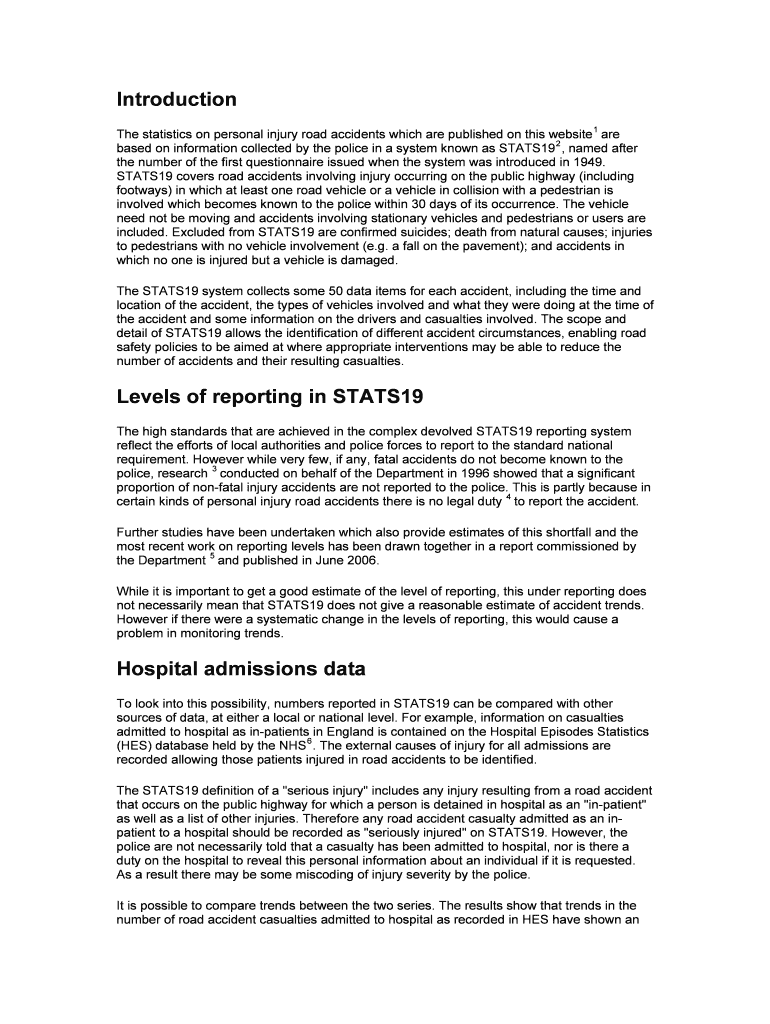







Introduction to Personal Injury Road Accident Statistics
Understanding the statistics on personal injury road accidents is vital for stakeholders focused on public safety, legislative frameworks, and healthcare planning. The data, published on certain websites, offers insights into the frequency, causes, and outcomes of road accidents, and helps shape policies aimed at reducing such incidents.
Key Elements of Personal Injury Road Accident Statistics
The reports on personal injury road accidents typically encompass diverse elements, such as:
- Accident Types: Detailed categorization of accidents, varying from minor collisions to severe crashes leading to fatalities.
- Cause Analysis: Examination of factors like weather conditions, driver behavior, and vehicle malfunction, which contribute to accidents.
- Demographic Data: Information regarding the age, gender, and residency of individuals involved, aiding in identifying high-risk groups.
- Injury Severity Levels: Classification of injuries ranging from minor cuts and bruises to severe disabilities and fatalities.
Gathering Personal Injury Road Accident Statistics
Accessing comprehensive accident statistics requires navigating through specific online platforms:
- Official Websites: Government and traffic authority sites offer structured datasets and reports.
- Safety Organizations: Non-profits and educational bodies often provide analysis and interpretation of the data.
- Research Publications: Academic papers and reports contribute qualitative insights, complementing quantitative data.
How to Use Personal Injury Road Accident Data
Effectively utilizing this data involves several actionable approaches:
- Policy Formulation: Regulating bodies utilize accident statistics to draft safety measures, traffic rules, and penalty structures.
- Public Awareness: Educational campaigns use data to focus messaging on prevalent dangers.
- Urban Planning: Infrastructure development considers accident hotspots to enhance road safety.
- Insurance Assessments: Insurers analyze data to evaluate risk premiums and claim protocols.
Legal Implications of Road Accident Statistics
Legal frameworks utilize these statistics to dictate liability and enhance traffic laws:
- Establishing Precedence: Frequent difficulties identified through statistics influence judicial rulings and legislative adjustments.
- Safety Regulations: Updates to traffic laws and vehicle standards arise from data-driven insights.
- Insurance Claims: Accident data informs the resolution of liability and compensation claims.
Stakeholders Interested in Personal Injury Road Accident Statistics
Several groups utilize this information for various purposes:
- Government Agencies: For regulations and policy development.
- Insurance Companies: To design products and manage claims based on accident trends.
- Healthcare Providers: To allocate resources and tailor emergency response protocols.
- Academics and Researchers: For studies on societal impact and road safety innovations.
Annual Updates and Revision Cycles
These statistics undergo periodic evaluations to incorporate recent findings and enhance accuracy:
- Annual Updates: Yearly releases ensure that data reflects current trends and shifts in road safety.
- Mid-Year Reviews: Interim assessments used to address immediate concerns or unexpected patterns.
- Revision Protocols: Methodologies for collecting and interpreting data are revisited to align with technological and analytical advancements.
Practical Examples of Using Road Accident Data
Illustrating real-world applications, the data has been fundamental in cases such as:
- Urban Redesign Projects: City planners reconstructed the layout of notorious accident-prone areas based on data insights.
- Legislative Reform: States implemented stricter penalties for texting while driving after statistics revealed a spike in related incidents.
- Insurance Strategy Shifts: Companies adjusted premiums and coverage terms after analyzing detailed accident reports.
Challenges in Data Collection and Interpretation
Despite its utility, several challenges can affect the accuracy and reliability of these statistics:
- Underreporting Issues: Not all accidents are reported, leading to potential gaps in data.
- Data Standardization: Variations in collection methods may cause inconsistencies across regions.
- Privacy Concerns: Balancing openness with individuals' rights to confidentiality remains a critical consideration.
Conclusion
Personal injury road accident statistics serve as a crucial tool in the arsenal of safety advocacy and policymaking. By understanding and effectively applying this data, stakeholders can make informed decisions that enhance public safety and health outcomes.




