






Definition and Meaning of the Rhode Island Department of Natural Resources Form
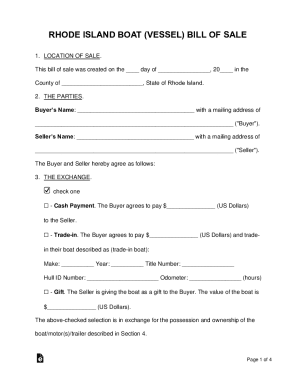
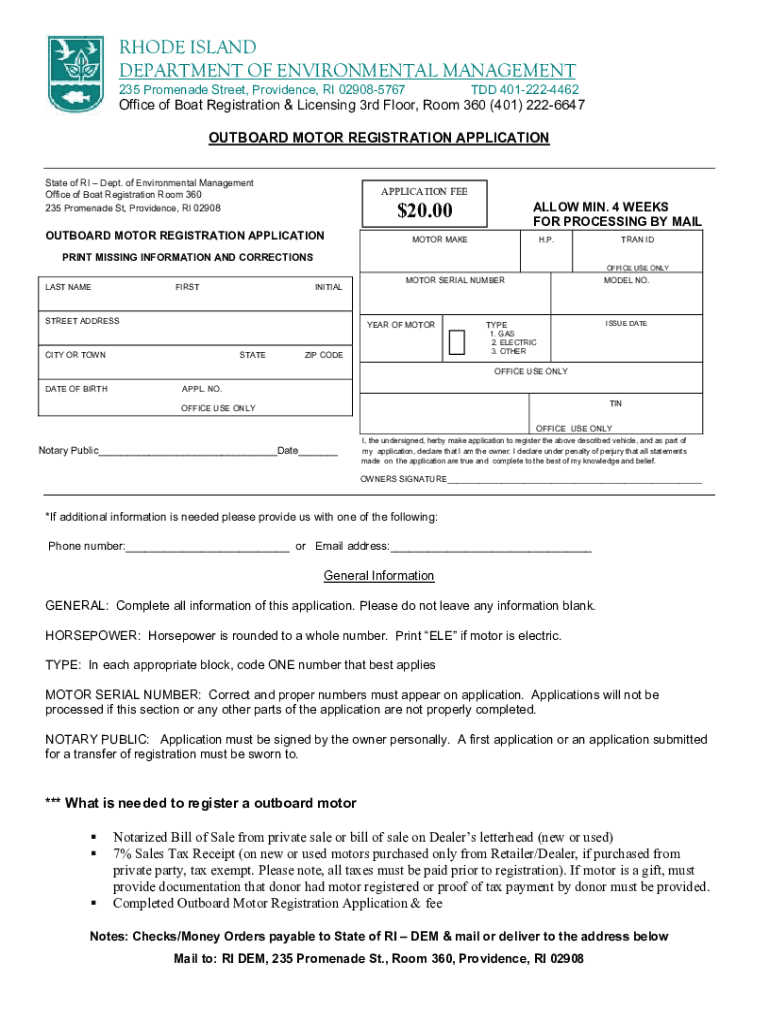
The "dem ri programsnaturalresourcesNatural ResourcesRhode Island Department of Environmental" form refers to the application process managed by the Rhode Island Department of Environmental Management (RIDEM) for various natural resource programs, including the registration of outboard motors. This form is essential for ensuring that all legal and administrative requirements are met for participating in specific programs or registering certain equipment within the state. It serves as a standardized document to collect necessary information and fees, ensuring compliance with state regulations regarding environmental and natural resource management.
How to Use the Rhode Island Natural Resources Form
To effectively use the Rhode Island Natural Resources form, applicants must:
-
Review the Requirements: Read all instructions carefully to understand the information needed.
-
Complete Each Section: Fill out all sections accurately. This includes providing personal information, registration details, and other relevant data as specified.
-
Notarization: Certain parts of the form require notarization, ensuring the provided information is verified and legally accepted.
-
Prepare Supporting Documents: Gather and attach necessary attachments, such as bills of sale, proof of purchase, and tax payment receipts.
-
Submission: Decide on the method of submission, whether online, through the mail, or in person, at the appropriate RIDEM office.
Steps to Complete the Rhode Island Natural Resources Form
-
Gather Information and Documents: Before beginning the form, collect all necessary details and documents required for the application, such as identification, purchase receipts, and proof of tax payments.
-
Fill Out Personal Information: Provide your name, address, and contact information. Ensure these details match your identification documents.
-
Provide Motor or Resource Details: Enter specific information about the item or resource being registered, such as make, model, year, and serial numbers.
-
Notarization and Signatures: If required, have the form notarized. Sign the document in the presence of a notary public to authenticate your submission.
-
Calculate and Pay Fees: Determine the total fee required ($20 application fee, as per the guidelines) and attach payment in the form of a check or money order if mailing or pay via credit card online if available.
-
Submit Application: Send or deliver the completed form and documents to the RIDEM office as per the stipulated method.
Key Elements of the Rhode Island Natural Resources Form
- Personal Information Section: Essential for identifying the applicant.
- Resource Details Section: Crucial for documenting the specific motor or item being registered.
- Fee Payment Section: Details the amount and method of payment required.
- Notarization Requirement: Legally binds the document upon completion and verification.
- Submission Guidelines: Instructions for effectively delivering the form to the state department.
Who Uses the Rhode Island Natural Resources Form
The form is typically used by:
- Boating Enthusiasts and Owners: Looking to register outboard motors in Rhode Island.
- Businesses: Involved in marine operations requiring adherence to state regulations.
- New Residents: Acquiring motorized equipment that must comply with local laws.
- Dealers and Retailers: Registering sales or transfers of motorized resources.
Legal Use of the Rhode Island Natural Resources Form
The form ensures lawful registration and compliance with:
- State Environmental Laws: Aligns with Rhode Island's regulations aimed at conserving natural resources.
- Tax Compliance: Verifies payment of relevant sales or use taxes associated with registration.
- Ownership Verification: Confirms lawful acquisition and ownership transfer processes.
State-Specific Rules for the Rhode Island Natural Resources Form
Rhode Island imposes specific requirements that applicants must adhere to:
- $20 Application Fee: Must accompany form submission.
- Notarization: Essential for legal recognition.
- Document Fidelity: Accurate replication of required supporting documents is mandatory.
- Processing Delays: Avoid incomplete submissions to prevent unnecessary delays.
Examples of Using the Rhode Island Natural Resources Form
Real-world scenarios involve:
- Scenario 1: John Doe, a local fisherman, purchased a new outboard motor and used this form to register it legally, ensuring he could use it without facing fines.
- Scenario 2: A marine retailer used the form to register multiple motors before sale, streamlining their processes and ensuring compliance when transferring ownership to customers.