




01. Edit your form online
Type text, add images, blackout confidential details, add comments, highlights and more.

Type text, add images, blackout confidential details, add comments, highlights and more.

Draw your signature, type it, upload its image, or use your mobile device as a signature pad.

Send it via email, link, or fax. You can also download it, export it or print it out.
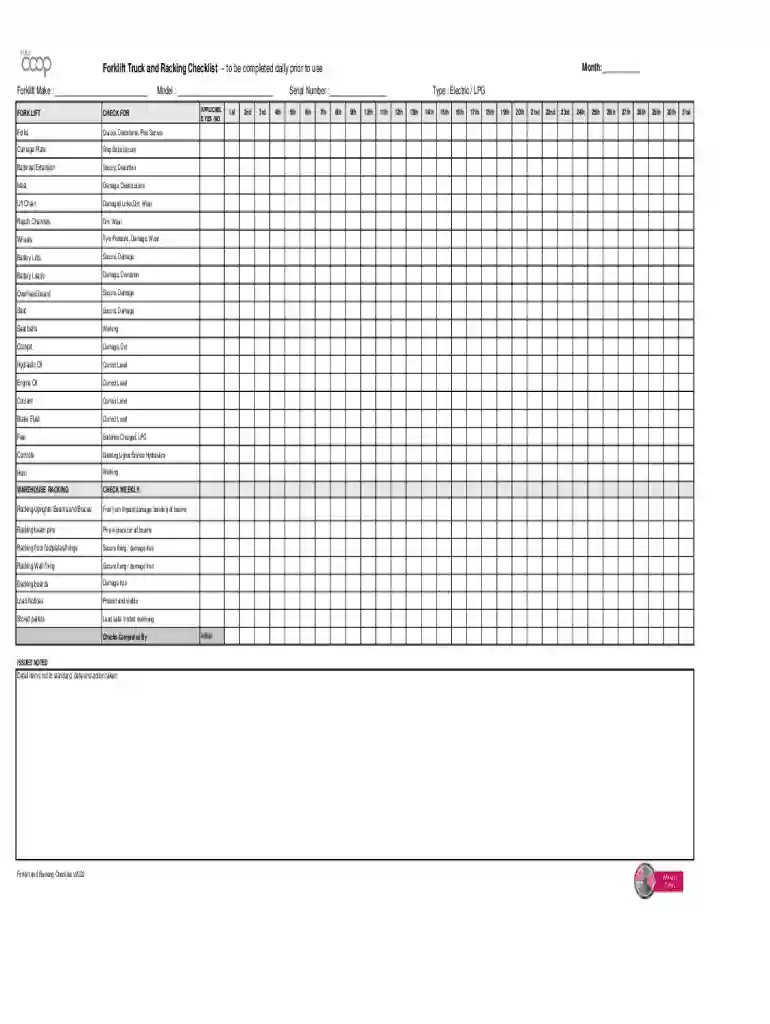
The "Forklift Safety Inspection Daily Checklist" is a structured form utilized in various industries to ensure the consistent assessment of forklift trucks' safety features and operational components. This checklist is designed to be used daily, with the primary aim of guaranteeing that forklifts are in safe working condition before their operation. The list includes a comprehensive review of critical forklift parts such as forks, masts, and wheels, enabling operators to identify maintenance needs or potential hazards proactively.
To effectively use the Forklift Safety Inspection Daily Checklist, operators should follow a systematic approach. Begin with a visual inspection of the forklift, noting any visible damages or irregularities. Use the checklist to guide you through inspecting the major components, such as the forks for signs of bending or cracks, the mast for fluid leaks, and the wheels for proper inflation and wear. It is essential to check safety features like seat belts, horns, and warning lights to ensure they function correctly. Conclude with a functional test, where you operate the forklift in a safe, controlled environment to assess handling and operational responsiveness.
The checklist is composed of several key elements to ensure a thorough inspection:
Utilizing this checklist is crucial for several reasons:
Consider a distribution center where forklifts are central to operations. The daily checklist is used each shift to document the forklift's condition, identifying when a tire replacement is necessary due to wear and tear. This proactive check prevents potential downtime. In another case, a manufacturing plant utilizes the checklist to ensure the hydraulic systems are leak-free, maintaining operational efficiency and employee safety.
The checklist acts as a documented procedure to adhere to legal safety norms. OSHA mandates that forklifts are inspected daily, and maintaining logs through this checklist provides necessary documentation in the event of audits or inspections. It demonstrates compliance and proactive attention to workplace safety standards, which is vital for legal and operational integrity.
At DocHub, your data security is our priority. We follow HIPAA, SOC2, GDPR, and other standards, so you can work on your documents with confidence.
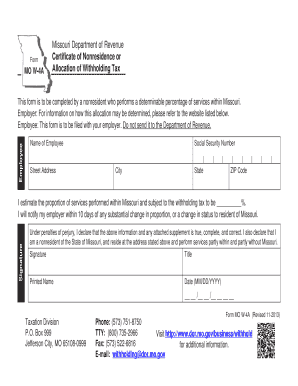


Forklift Pre-Use Checklist |. Safety Data Sheets (SDS)(Link is external) Search Forklift Pre-Use Checklist forklift-pre-use.pdf Download
Jul 22, 2026 These products turn photos, videos, checklists, scans, and remarks into a defensible inspection record for claims prevention, dispute resolutionRead more


