






Definition and Meaning
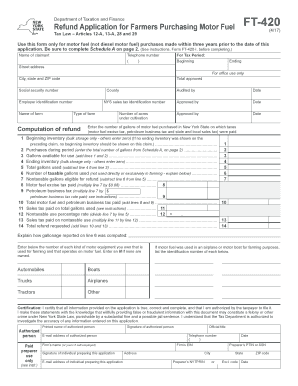
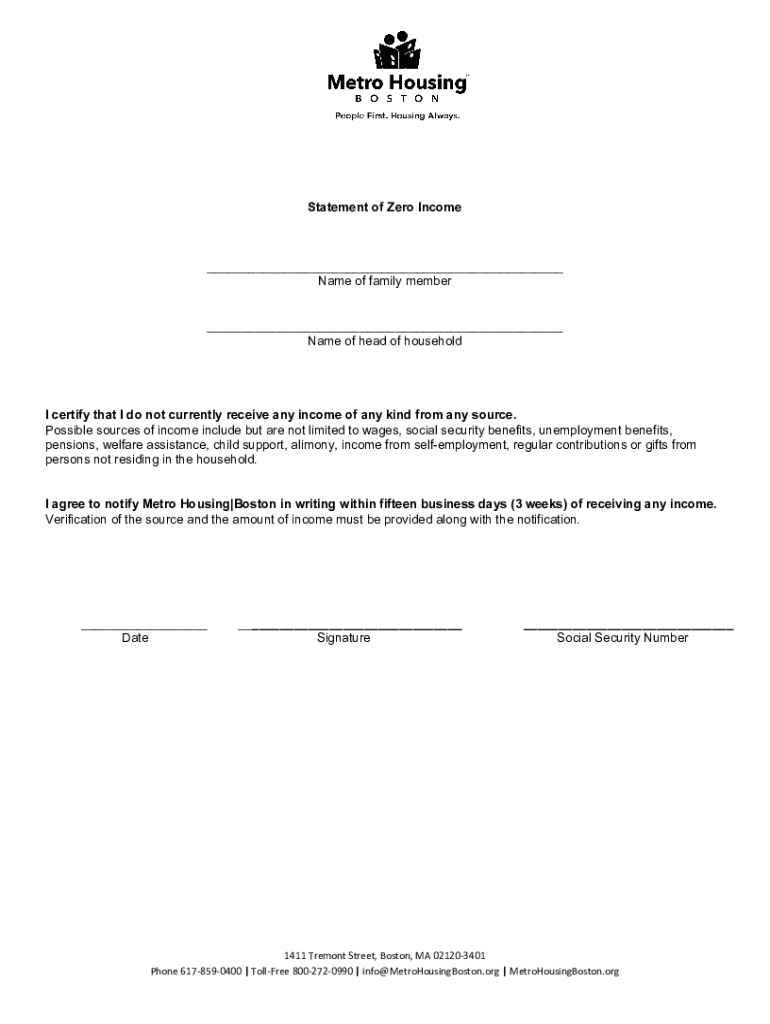
The "Name of family member" is a form typically used to confirm the identity of a family member in legal and administrative contexts. Its purpose is to establish a clear familial relationship, often required in matters like tax documentation, estate planning, or healthcare authorization. The form includes fields for personal details such as full name, date of birth, and relationship to the person submitting it. Accurate completion ensures legal compliance and facilitates the processing of various applications where proof of family ties is necessary.
How to Use the Name of Family Member Form
To use the "Name of family member" form effectively, determine the specific context or requirement where it is needed. The form is commonly requested during processes like claiming dependents on tax returns or verifying family beneficiaries. It is crucial to fill out all information accurately, ensuring consistency with other legal documents. Double-check entries for spelling errors or omissions. Include additional documents, such as birth certificates or marriage licenses, if further proof of relationship is required.
Steps to Complete the Name of Family Member Form
- Gather relevant information, including family member details such as birth dates and relationship.
- Fill in each section carefully, ensuring all mandatory fields are completed.
- Review the form to check for accuracy and completeness.
- Attach any supporting documents, such as identification or certificates, as required.
- Submit as per the specified instructions, whether through mail, online, or in person.
Who Typically Uses the Name of Family Member Form
Various individuals and entities might use the "Name of family member" form, including:
- Individuals: For personal legal documentation such as wills or healthcare proxies.
- Tax Filers: To declare family members as dependents.
- Legal Professionals: When handling family-related cases.
- Healthcare Providers: To verify authorized caregivers or decision-makers.


Key Elements of the Name of Family Member Form
The form typically includes several crucial components:
- Personal Information: Full name, date of birth, and social security number.
- Relationship Details: The specific familial connection, such as spouse, child, or sibling.
- Contact Information: Address and phone number for follow-up or verification. Completing these elements with precision is essential to ensure valid and recognized documentation.
Important Terms Related to the Name of Family Member Form
Understanding key terms associated with this form is important:
- Dependent: A family member claimed for financial support.
- Beneficiary: A person designated to receive benefits or assets.
- Legal Guardian: An individual authorized to care for another. These terms play a significant role in accurately completing and utilizing the form.
Penalties for Non-Compliance
Failure to accurately or timely submit the "Name of family member" form can result in:
- Delays in Processing: Halting applications or approvals until corrections are made.
- Legal Penalties: In cases of fraud or misrepresentation, there might be legal consequences.
- Denial of Benefits: Disqualification from claiming particular benefits or exemptions.
Digital vs. Paper Version
The "Name of family member" form can typically be completed digitally or on paper:
- Digital Version: Offers convenience and quicker submission, with functionalities for direct uploads.
- Paper Version: Preferred for those who require physical documentation or have limited access to digital services. Choosing the appropriate version depends on individual or procedural preferences and accessibility.
Form Submission Methods (Online / Mail / In-Person)
The form can be submitted through several methods:
- Online: Via official government or institution websites using secure login credentials.
- Mail: Sending physical copies to the designated processing address with all necessary attachments.
- In-Person: Handing over the form directly at an administrative office to ensure immediate receipt.
Legal Use of the Name of Family Member Form
The legal use of this form encompasses a variety of applications:
- Estate Planning: To identify rightful heirs or beneficiaries.
- Healthcare Decisions: For assigning medical decision-making powers.
- Education: Verifying parents or guardians for school registration purposes. Understanding the legal scope ensures compliance and proper use in the intended scenarios.
State-Specific Rules for the Name of Family Member Form
Different states may have unique requirements or variations:
- Documentation: Some states might demand additional verification documents like notarized affidavits.
- Submission Protocols: Variances in submission procedures or processing timelines.
- Legal Nuances: Specific state laws impacting recognition or validity.
Filing Deadlines and Important Dates
Adhering to important deadlines is crucial:
- Tax Season: Aligning submission timelines with tax filing periods when claiming dependents.
- Legal Deadlines: Any court-related or legal timeframe within which forms must be submitted. Keeping track of these dates ensures compliance and avoids penalties.
Examples of Using the Name of Family Member Form
Practical scenarios for using this form:
- Tax Filing: Essential for declaring a dependent child or spouse.
- Healthcare Authorization: When assigning decision rights to a family member.
- Legal Proceedings: Establishing priority or rights within family disputes or estate distributions.
These comprehensive insights into the "Name of family member" form aim to guide users in its accurate and efficient completion across various contexts.