



Definition and Meaning of For Lease Listings
For lease listings are detailed documents that provide essential information about commercial properties available for lease. These listings typically include specifics such as the type of property, location, square footage, rental rates, and lease terms. Potential lessees use these listings to evaluate and select suitable properties that meet their business needs. In addition to providing basic property details, these listings often include contact information for the listing agents or property managers, facilitating direct communication for further inquiries or site visits.
How to Use the For Lease Listings
Using for lease listings effectively involves understanding the criteria most important to your business needs. Start by identifying properties in key geographic locations that align with your business strategy, ensuring good accessibility and visibility. Pay attention to the details regarding lease types, whether short-term or long-term, and consider the financial implications of rental rates listed. Carefully review the terms for any additional costs such as maintenance fees or utility expenses. Once properties of interest are found, contact the agent for further negotiation or to arrange a property viewing.
Steps to Complete the For Lease Listings
- Property Identification: Begin by specifying the criteria for your desired property, such as location, size, and budget.
- Details Compilation: Gather all essential details about each property, ensuring you include complete and accurate information.
- Contact Agents: Reach out to the listed agents or property managers to confirm availability and gather further insights.
- Site Visits: Arrange site visits for properties that meet your criteria to evaluate their suitability and condition.
Completing for lease listings involves thorough research and cross-verification to ensure the information meets the needs and expectations of potential lessees.
Key Elements of the For Lease Listings
For lease listings generally include several critical elements:
- Location Details: Precise address, nearby landmarks, and accessibility routes.
- Property Metrics: Size and layout specifics in square footage.
- Financial Information: Rental costs and any associated fees.
- Lease Terms: Duration, type of lease offered, and renewal options.
- Agent Information: Contact details of the listing agent or property manager for inquiries and negotiations.
Each element plays a crucial role in illustrating the value proposition of the property to potential lessees.
State-Specific Rules for For Lease Listings
While the general structure of for lease listings is consistent, some states may have specific regulations that impact lease agreements. For instance, certain jurisdictions require disclosure of any property defects or restrictions. Ensure that listings comply with local real estate laws, such as tenant right-to-access information and any minimum term requirements. It's advisable to consult with a local real estate attorney to verify that all state-specific legal obligations are met.
Examples of Using the For Lease Listings
For lease listings have been instrumental in various scenarios, such as a startup seeking a flexible office space that can accommodate growth, or a retailer looking to establish a presence in a high-traffic location. A manufacturing company might use listings to find industrial spaces with necessary zoning permits. In each case, the lessees leverage listings to streamline their search and make informed decisions, while balancing budget constraints and strategic goals.
Required Documents for For Lease Listings
Potential lessees often need to provide several documents during the leasing process. These typically include:
- Financial Statements: Recent financial statements to assess creditworthiness.
- Business Plan: Outlining the intended use of the space and any anticipated impacts on neighboring tenants.
- Identification Documents: Legal identification such as ID or business licenses.
- Leasing History: References or past leasing experiences to validate tenant reliability.
Proper documentation ensures the leasing process proceeds smoothly and may be required to finalize agreements.
Software Compatibility for For Lease Listings
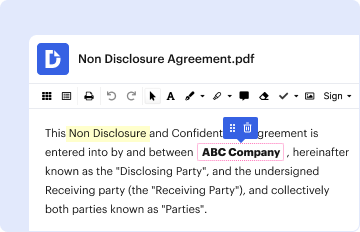
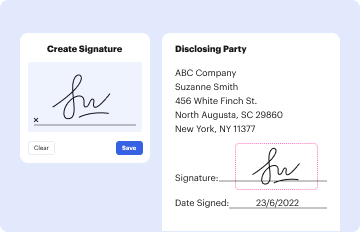
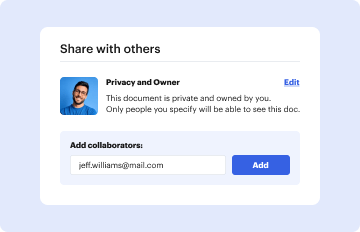
For lease listings and their management can be streamlined using software solutions that cater to real estate operations. Platforms like DocHub integrate with popular services such as Google Drive, allowing easy collaboration and document modifications. These solutions typically support various file formats, enabling businesses to save, edit, and share listings digitally. Using software for managing listings enhances efficiency by automating document processing, ensuring data accuracy, and facilitating real-time updates among stakeholders.