Definition and Meaning of the Industries Board
Industries Boards are regulatory bodies or entities that oversee specific sectors of the economy at the state or national level. These boards are typically tasked with setting standards, ensuring compliance with relevant laws, and promoting the industry within their purview. For instance, the Construction Industries Board of Oklahoma is responsible for regulating construction practices and ensuring safety standards are upheld within the state's construction sector.
Key Responsibilities
- Regulation and Oversight: Ensuring compliance with sector-specific laws and standards.
- Licensing and Certification: Issuing licenses and certifications to professionals and businesses operating in the industry.
- Safety and Standards: Promoting best practices and maintaining safety standards within the industry.
Example of an Industries Board
The Construction Industries Board in Oklahoma monitors adherence to building codes, manages contractor licenses, and investigates complaints related to construction practices. This oversight protects both industry workers and consumers by upholding safety and professional standards.
How to Use the Industries Board
Interacting with an Industries Board involves utilizing its resources for guidance, compliance checks, and professional development within a specific industry. Businesses and professionals can leverage these boards for up-to-date information on regulations and best practices.
Step-by-Step Guide
- Visit the Board’s Website: Most boards have a comprehensive website with resources and contact information.
- Access Regulatory Information: Review available guidelines and compliance checklists.
- Apply for Licenses/Permits: Use the board's portal to apply for necessary industry-specific licenses or renew existing ones.
- Utilize Training Resources: Participate in workshops, webinars, and other educational resources offered by the board.
Steps to Complete the Industries Board Form
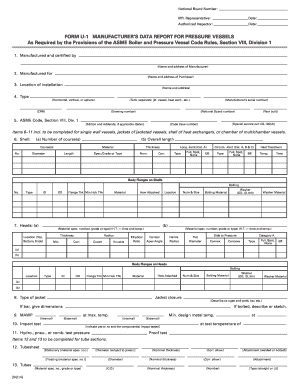
Filling out forms provided by an Industries Board, such as for licensing or permits, is a formal process that often requires attention to detail regarding legal and industry-specific requirements.
Detailed Process
- Download the Form: Access the required form from the board’s website or request a physical copy if digital access is unavailable.
- Review Instructions: Carefully read through the instructions accompanying the form, noting any required documentation.
- Fill Out Required Information: Provide accurate and complete details as requested, including personal or business information.
- Attach Necessary Documents: Include supporting documents, such as proof of identity, industry certifications, or financial records.
- Submit the Form: Send the completed form and attached documents via the board’s preferred submission method: online, by mail, or in person.
- Confirm Submission: Retain confirmation receipts or emails for your records.
Important Terms Related to the Industries Board
Understanding the terminology used by Industries Boards is crucial for compliance and effective communication.
Essential Terms
- Compliance: Adherence to industry regulations and standards.
- Regulatory Body: An official organization that governs a specific industry.
- Audit: A systematic examination of records and practices to ensure compliance.
- Certification: Process of verifying that a professional or business meets specific industry standards.
Legal Use of the Industries Board
Industries Boards function within a legal framework, ensuring industries comply with statutory requirements. This legal oversight helps maintain industry integrity and consumer protection.
Legal Framework
- Statutory Obligations: Industries Boards operate under specific laws and regulations pertinent to their industry.
- Consumer Protection: By enforcing standards, boards indirectly protect consumers from malpractice.
- Legal Consequences: Non-compliance with board regulations can result in penalties, fines, or loss of licenses.
State-Specific Rules for the Industries Board
Rules and guidelines set by an Industries Board can vary significantly from state to state, reflecting local legislative priorities and industry conditions.
Variations by State
- Licensing Requirements: Different states may have unique criteria for certification and licensing.
- Enforcement Practices: The strictness and manner of enforcing regulations can vary.
- Resource Allocation: States may provide differing levels of funding and resources to support Industries Boards.
Penalties for Non-Compliance
Non-compliance with Industries Board regulations can lead to severe repercussions for businesses and individuals, reflecting the importance of adherence to prescribed guidelines.
Potential Consequences
- Fines and Penalties: Failure to comply can result in financial penalties.
- License Revocation: Businesses or professionals may lose their licenses.
- Legal Action: Persistent non-compliance may result in formal legal proceedings.
Digital vs. Paper Version of the Industries Board Forms
Many Industries Boards are transitioning towards digital solutions for form submissions, reflecting the growing trend towards efficient and environmentally friendly practices.
Benefits of Digital Forms
- Convenience and Efficiency: Easier access and faster submission times.
- Real-time Updates: Instant updates or notifications on form status.
- Environmental Impact: Reduces paper usage, promoting sustainability.
Scenarios for Paper Forms
- Limited Internet Access: Physical forms remain an option for those without internet.
- Preference for Tangible Records: Some users prefer physical documentation for record-keeping.