






Definition and Purpose of the Guardianship and Conservatorship Training Manual
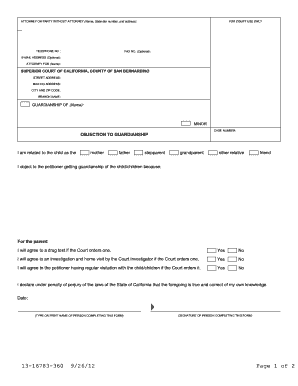
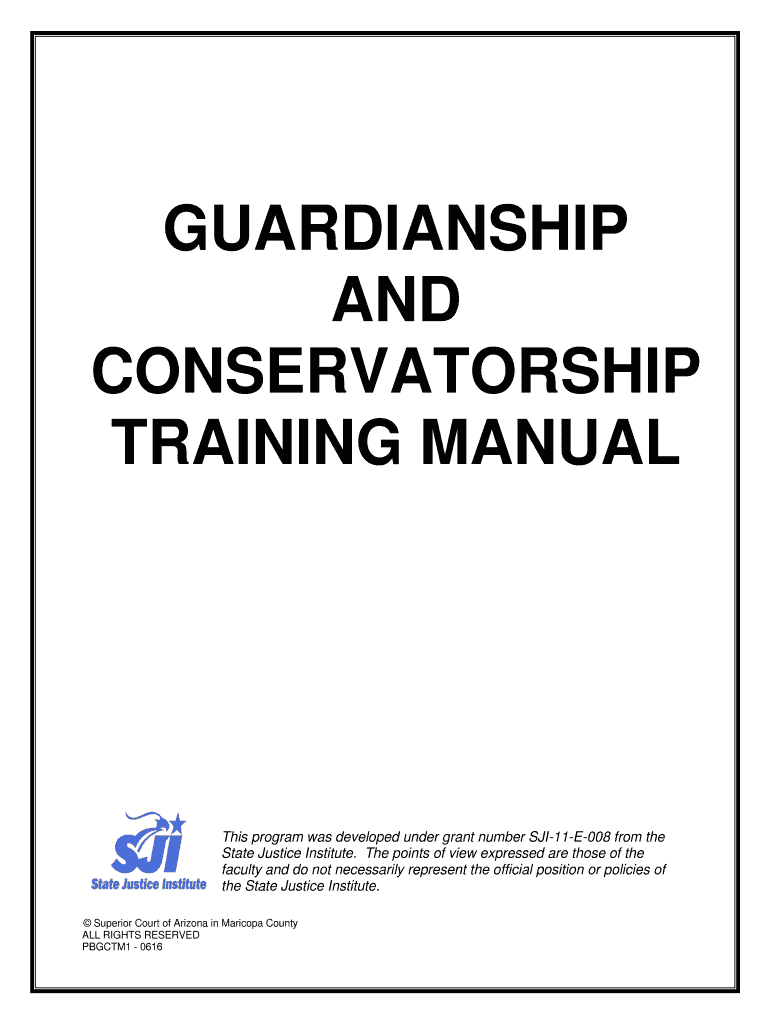
The Guardianship and Conservatorship Training Manual by the Superior Court is a comprehensive guide designed to educate and train individuals who are appointed as guardians or conservators. These roles involve crucial responsibilities, such as managing the welfare and assets of wards, typically minors or individuals unable to make decisions for themselves. The manual defines the key terms, outlines roles, and elaborates on decision-making processes that guardians and conservators must be familiar with before their official appointment.
How to Use the Training Manual Effectively
To use the training manual effectively, appointed individuals should begin by reading the entire document to understand the scope and responsibilities of guardianships and conservatorships.
- Familiarization: Start with the introductory sections to grasp the basic concepts and legal foundations.
- Detailed Review: Pay particular attention to sections detailing legal obligations and procedures for coordinating services and records management.
- Practical Tools: Utilize provided examples and case studies to see how theoretical knowledge is applied in real-world scenarios.
The manual is structured to ensure users can readily refer to specific sections as required during their tenure as guardian or conservator.
Steps to Obtain the Guardianship and Conservatorship Training Manual
To obtain the Guardianship and Conservatorship Training Manual, you need to follow specific steps that ensure you access the correct version required by the relevant Superior Court jurisdiction:
- Contact the Court Clerk: Begin by contacting the clerk of the specific Superior Court where the guardianship or conservatorship case is filed.
- Online Access: Check if the training manual is available online through the court’s official website. Many courts provide downloadable PDFs for convenience.
- In-Person Request: Visit the court’s clerk office to request a physical copy, if necessary. Be prepared to present identification and case-related information.
Understanding these access steps ensures you are receiving up-to-date and jurisdiction-specific information.
Legal Obligations Outlined in the Training Manual
The training manual specifies a range of legal obligations for guardians and conservators to ensure the protection and well-being of wards:
- Best Interest vs. Substituted Judgment: Guardians must prioritize the ward's best interest while considering their wishes when possible.
- Informed Consent: Guardians must ascertain and document informed consent for major decisions impacting the ward's life.
- Regular Reporting: Conservators must submit periodic reports detailing financial expenditures and other activities to the court for review.
These legal foundations are pivotal for fulfilling the fiduciary duties associated with guardianship and conservatorship.
Key Elements of Guardianship and Conservatorship Roles
Effective management of guardianship or conservatorship roles involves understanding several key elements outlined in the manual:
- Appointment Procedures: Steps and qualifications required for official appointment by the court.
- Responsibilities: Daily duties include managing personal care, financial matters, and welfare of the ward.
- Communication: Maintaining effective communication with family members, service providers, and the ward to provide holistic care.
Mastery of these elements ensures guardians and conservators can responsibly and legally manage the affairs of those in their charge.
State-Specific Guidelines and Variations
One important consideration is that guardianship and conservatorship laws can vary significantly by state. The training manual often includes state-specific guidelines to address these differences:
- State Laws: Review local statutes that may influence decision-making authority and reporting requirements.
- Court Procedures: Differences in how local courts handle guardianship cases, from initiation to resolution.
Understanding these state-specific variations ensures compliance with local legal standards and court expectations.
Practical Scenarios and Application Examples
The manual provides several practical scenarios and examples to demonstrate real-world applications of guardianship and conservatorship principles:
- Case Studies: Illustrations of typical scenarios encountered by guardians and conservators, such as financial management or medical decision-making.
- Problem-Solving: Examples showing how to address common challenges in guardianship, like family disputes or managing complex health care plans.
These case studies and examples equip guardians and conservators with data-driven approaches to problem-solving.
Importance of Completing the Training Program
Completion of an approved training program before receiving Letters of Appointment is emphasized in the manual:
- Mandatory Training: Intended to ensure all appointed individuals are fully prepared for their roles.
- Skill Assessment: Evaluation of the individual’s understanding of laws, responsibilities, and ethical considerations.
- Certification: Often requires passing an exam or completing practical assignments to demonstrate competency.
This training is designed to ensure that guardians and conservators are equipped with the knowledge and skills necessary to serve effectively and ethically.