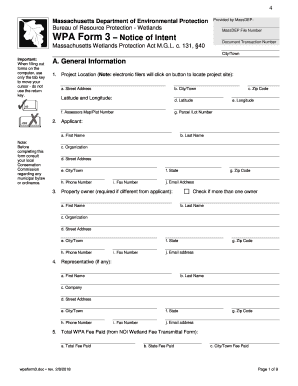
01. Edit your form online
Type text, add images, blackout confidential details, add comments, highlights and more.

Type text, add images, blackout confidential details, add comments, highlights and more.

Draw your signature, type it, upload its image, or use your mobile device as a signature pad.

Send it via email, link, or fax. You can also download it, export it or print it out.
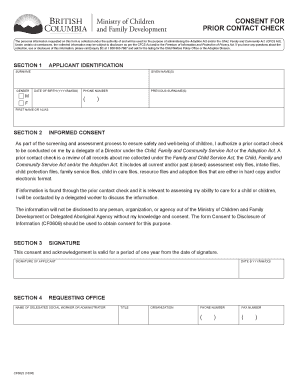
The phrase "In the case of minors Surname, first name, address (if different from applicant's) and nationality o" refers to specific sections within forms that collect personal details about minors involved in legal or procedural applications. These forms often require detailed information about the minor to differentiate them from the primary applicant and to establish their identity and relationship.
Understanding these elements ensures accurate representation and compliance with application requirements.
To use this section of the form correctly, it's essential to follow precise steps ensuring that all information is provided accurately:
Gather Required Documents: Collect birth certificates, proof of address, and nationality documents for the minor.
Review Existing Information: Double-check that the minor's details match official documents to prevent future verification issues.
Completion of Fields:
Verification: It's good practice to verify all filled sections with the minor's guardian or legal representative for authenticity.
Each step ensures a clear, comprehensive submission of the minor's information.
Completing the form involves several steps that ensure accuracy and compliance with legal requirements:
These steps can help streamline the process of completing the form, ensuring that all necessary information is provided clearly and appropriately.
Providing accurate information for minors is crucial for various reasons:
Prioritizing accuracy in these sections supports both operational efficiency and legal compliance.
Understanding the key elements ensures a successful submission:
These key elements are fundamental to compiling clear, precise applications that facilitate smooth processing.
Certain terms are frequently used within the context of forms involving minors:
Familiarity with these terms aids in understanding the application language and implications.
Certain legal stipulations apply to forms involving minors:
These legal applications guide the responsible and lawful use of minors' information in documents.
Different states may have unique requirements for processing minors' information:
Awareness of these state-specific rules ensures compliance and prevents administrative issues.
We've got more versions of the In the case of minors Surname, first name, address (if different from applicant's) and nationality o form. Select the right In the case of minors Surname, first name, address (if different from applicant's) and nationality o version from the list and start editing it straight away!
At DocHub, your data security is our priority. We follow HIPAA, SOC2, GDPR, and other standards, so you can work on your documents with confidence.