01. Edit your ct 1 b online
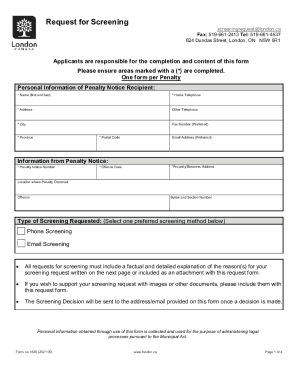
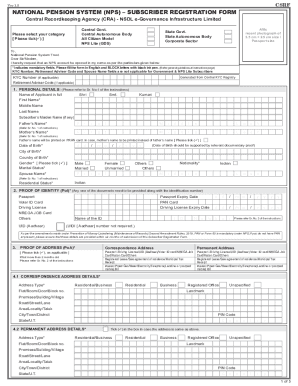
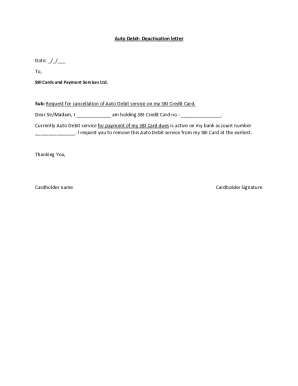
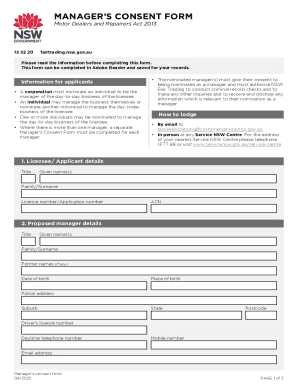
Type text, add images, blackout confidential details, add comments, highlights and more.

Type text, add images, blackout confidential details, add comments, highlights and more.

Draw your signature, type it, upload its image, or use your mobile device as a signature pad.

Send 1 b form via email, link, or fax. You can also download it, export it or print it out.
A duplicate driver's license is an official state-issued identification card that replaces an original license when it is lost, stolen, or damaged. Unlike a renewal, which occurs when a license is about to expire, a duplicate license is issued to replace a current, valid one. Each state in the U.S. has its own procedures for issuing duplicates, which often requires verification of identity and submitting necessary documentation.
The purpose of a duplicate license is to ensure that individuals have continuous proof of their legal ability to drive and a valid form of government-issued identification. This process is critical for maintaining consistent record-keeping and identification standards across states.
Once obtained, a duplicate driver's license serves the same functions as the original. It can be used for identification purposes, such as proving age when purchasing alcohol or checking into restricted venues, and as a valid document to show driving credentials during a traffic stop. It is also essential for participating in activities that require a valid ID, like boarding domestic flights or opening bank accounts.
In most scenarios, the duplicate is indistinguishable from the original in terms of use and legal recognition. However, it is vital to notify authorizing bodies or institutions if any sensitive information is missing from the duplicate that could affect its functionality.
To acquire a duplicate driver's license, applicants must typically follow a specified process which varies slightly by state:
Verify the Need: Confirm that the original license has been lost, stolen, or rendered unusable.
Application Submission: Complete an application form specific to the issuance of a duplicate license, which might be available online, by mail, or in person at a local Department of Motor Vehicles (DMV) office.
Identity Proof: Provide documents such as a passport, social security card, or birth certificate to verify identity.
Fee Payment: Prepare to pay a processing fee, which varies by state, to cover the cost of issuing a duplicate.
Form of Application: Depending upon state facilities, choose a submission method—online platforms, mail, or in-person visits to the DMV.
The application might also involve additional steps or requirements, such as submitting a police report in the event of a stolen license.
Completing the application for a duplicate driver's license involves several detailed steps:
Gather Required Documents: Ensure all personal identification documents are ready and updated.
Fill Out Application: Complete the specific form for a duplicate driver's license. Double-check entries for accuracy.
Submit Forms: Based on your state's specified instructions, submit the application through a suitable method—mail, online, or visit a DMV office.
Pay Fees: Remit any associated fees using accepted payment methods.
Receive License: Once processed, the duplicate driver's license will be issued. In most states, applicants receive their duplicates by mail within a few weeks, or immediately if processed in person.
Applicants should ensure that the information in the duplicate matches the original license to avoid any discrepancies in identification or driving records.
Several practical reasons necessitate the request for a duplicate current driver license:
Replacement of Lost or Stolen License: When the original is misplaced or taken, rapidly obtaining a duplicate ensures continued compliance with driving requirements.
Damaged or Destroyed License: Exposure to elements or accidents that damage the card may impair its usability or readability.
Personal Information Changes: If any vital changes (e.g., name change through marriage) need to reflect in identification documents, a duplicate with updated information can be issued.
Prompt action prevents potential legal issues or inconveniences concerning identification or the right to drive.
Duplicating a driver's license is particularly common among:
Young Adults: More likely to misplace items, they frequently need duplicates.
Frequent Travelers: Increased exposure to situations where an ID could be lost or stolen.
Individuals with a History of Document Loss: Those who routinely misplace documents may apply often.
This demographic diversity emphasizes the utility of having clear protocols for obtaining duplicates.


Understanding the vocabulary surrounding duplicate licenses can ease the process:
Duplicate: An identical copy of an original document.
Issuance: The process of providing a document.
Verification: The act of confirming identity or authenticity.
Identity Proof: Forms of ID required to prove one's personal information.
Being familiar with these terms helps to streamline application processes and clarify any related documents or instructions.
Although a general process exists, duplicates in driver's licenses are subject to state-specific rules and requirements:
Variations in Fees: Different states levy different fees.
Unique Documentation Requirements: Some states might require additional personal information or supporting documents.
Processing Times: These can vary significantly based on the state's infrastructure and capabilities.
Applicants should contact their local DMV or appropriate state website for the most current and specific information regarding duplicating a driver's license.
We've got more versions of the ct 1 b form. Select the right ct 1 b version from the list and start editing it straight away!
| Versions | Form popularity | Fillable & printable |
|---|---|---|
| 2001 | 4.8 Satisfied (124 Votes) |
At DocHub, your data security is our priority. We follow HIPAA, SOC2, GDPR, and other standards, so you can work on your documents with confidence.