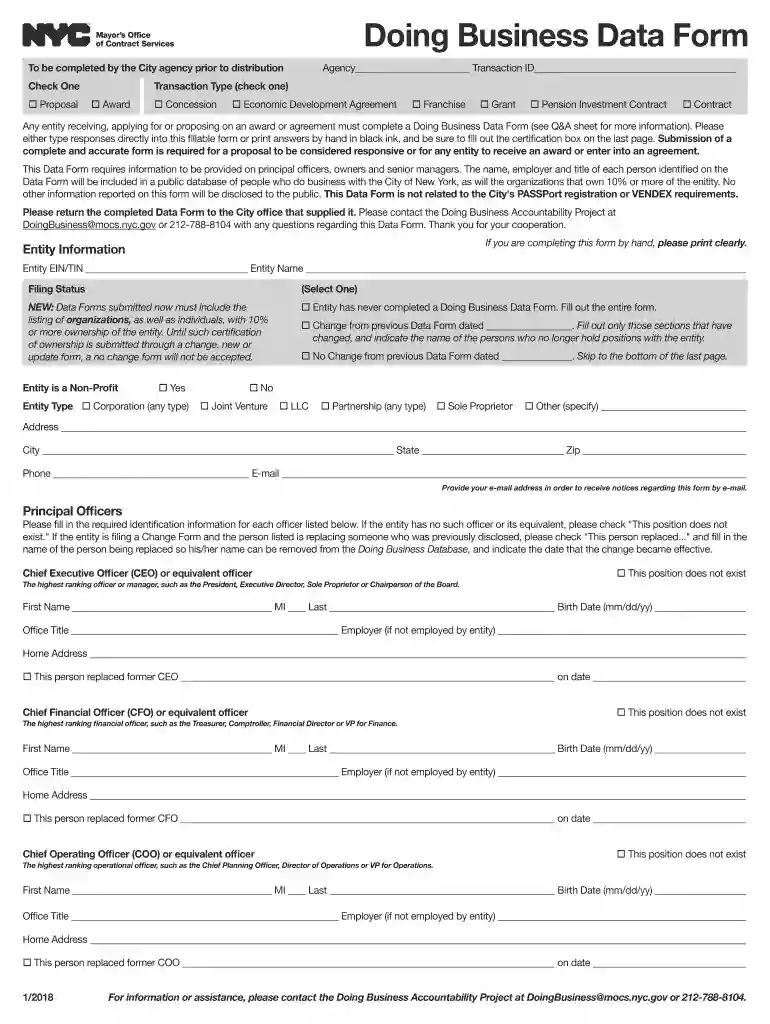
Housing Preservation and Development - New York City 2026

Get Form
Housing Preservation and Development - New York City Preview on Page 1

Here's how it works

01. Edit your form online
Type text, add images, blackout confidential details, add comments, highlights and more.

02. Sign it in a few clicks
Draw your signature, type it, upload its image, or use your mobile device as a signature pad.

03. Share your form with others
Send it via email, link, or fax. You can also download it, export it or print it out.

Definition and Meaning

The Housing Preservation and Development - New York City form is associated with initiatives by the New York City Department of Housing Preservation and Development (HPD) aimed at maintaining and developing affordable housing options. The form is part of the governance and administrative process to manage programs like the Tenant Interim Lease (TIL) and Alternative Enforcement Program (AEP), which focus on leasing distressed properties and ensuring compliance with housing laws.

How to Obtain the Housing Preservation and Development - New York City Form

Acquiring this form typically involves a direct request or download from the New York City HPD's official website. It may also be available through specific government offices or direct requests from the Housing Preservation and Development department. Interested parties should ensure they access the most up-to-date version to align with current guidelines and requirements.

Steps to Complete the Housing Preservation and Development - New York City Form

  1. Gather Information: Start by collecting all necessary documents and information required to complete the form.
  2. Review the Instructions: Carefully read through the form instructions provided by HPD to understand each section and required details.
  3. Fill Out Identification Information: Include basic details such as names, addresses, and other identifying information as required.
  4. Describe the Property: Provide specific details about the property in question, including any pertinent history or issues.
  5. Provide Compliance Details: Complete sections related to compliance with housing regulations and programs specific to TIL or AEP.
  6. Submit Additional Documentation: Attach any required supplementary documents that support the application, such as proof of ownership or legal notices.
  7. Review and Submit: Double-check all entered information for accuracy before submitting the form either online, by mail, or in-person to the designated HPD office.

Key Elements of the Housing Preservation and Development - New York City Form

  • Tenant Information: Sections for personal and contact information for tenants or tenant associations involved.
  • Property Description: Detailed fields for describing the property, its condition, and compliance status.
  • Program Participation: Checkboxes or fields indicating the program under which the property is being managed or applied to, such as TIL or AEP.
  • Compliance and Eligibility: Areas to affirm compliance with regulations and declare eligibility for the programs offered.

Legal Use of the Housing Preservation and Development - New York City Form

The form is legally used to apply for participation in New York City’s housing preservation programs. It serves as a binding document outlining the responsibilities and expectations for tenants and landlords under HPD’s governance. Completing it incorrectly may result in legal or financial consequences.

Who Typically Uses the Housing Preservation and Development - New York City Form

The primary users of this form are tenant associations seeking to manage or lease properties through HPD's initiatives. Property owners, developers, and contractors looking to participate in preservation and development programs such as the TIL/AEP also form a significant user base.


decoration image ratings of Dochub

Eligibility Criteria

Eligibility for the programs associated with this form typically requires entities to meet specific standards set by HPD, such as being part of a Minority-Owned and Women-Owned Business Enterprise (M/WBE), adhering to building codes, or having a history of compliance with housing regulations. The form often outlines these prerequisites in detail.

decoration image

Important Terms Related to Housing Preservation and Development - New York City

  • TIL (Tenant Interim Lease): A program for temporary leasing of properties to tenant associations pending permanent solutions.
  • AEP (Alternative Enforcement Program): An initiative enforcing compliance with housing maintenance standards.
  • HPD (Housing Preservation and Development): The New York City department responsible for housing regulations and development projects.

Penalties for Non-Compliance

Failure to correctly complete and comply with the form and its associated processes can lead to penalties, which may include fines, delays in receiving benefits from housing programs, or disqualification from participating in HPD-managed initiatives.

Form Submission Methods

The form can typically be submitted through various methods:

  • Online: Via the HPD's online portal for immediate processing.
  • Mail: By sending it to the designated address provided within the form instructions.
  • In-Person: Direct submission to an HPD office, often allowing for immediate clarification or correction of form fields if needed.

Examples of Using the Housing Preservation and Development - New York City Form

  • Tenant Associations Applying for TIL: A tenant association submits the form to lease a distressed property under the Tenant Interim Lease program.
  • Compliance Reporting for AEP: A property owner uses the form to report compliance status and necessary repairs to remain eligible for AEP incentives.
be ready to get more

Complete this form in 5 minutes or less

Get form

Got questions?

We have answers to the most popular questions from our customers. If you can't find an answer to your question, please contact us.
Contact us
To achieve the goals embedded in the plan, the Administration more than doubled the annual capital budget for affordable housing; increased the operating budget of the New York City Department of Housing Preservation and Development (HPD) and key agencies to fund the staff necessary to shoulder this docHub
The plan included strategies to create more affordable housing at a wider range of incomes, with a special focus on homes for seniors, the formerly homeless, and those in need of supportive services; to protect the Citys past investments in affordable housing; to secure major reforms to the States rent stabilization
If you seek to serve process on an individual employee of HPD and would like to do so electronically via this method, you may send a request to the applicable email address above. Please call HPDs main number: 212-863-6300 or email askhpd@hpd.nyc.gov.
Today, New York City faces a budget shortfall, a crisis of racial injustice, rising inequality and traffic violence, the loss of millions of jobs and small businesses, and the ongoing threat of climate change.
New Housing Opportunities Program (New HOP) Typically, apartments created through New HOP are reserved for households earning up to 130 percent of Area Median Income (AMI); however, at program inception the income maximum was 250 percent of AMI.

Security and compliance

At DocHub, your data security is our priority. We follow HIPAA, SOC2, GDPR, and other standards, so you can work on your documents with confidence.
Learn more
ccpa2
pci-dss
gdpr-compliance
hipaa
soc-compliance

People also ask

The Affordable Housing Retention Act enables condo conversions in NYC while ensuring permanent affordability for income-restricted units, and gives tenants protections including rent stabilization, eviction safeguards, and purchase opportunities.
As part of the FY 2026 Enacted Budget, Governor Hochul announced more than $1.5 billion in new state funding for housing statewide, including investing $100 million for pro-housing communities to fund critical infrastructure projects to support housing development, $100 million to promote mixed income housing
An HPD violation is issued based on an infraction of the housing code. Violations are either issued by an inspector in response to a complaint, or administratively. HPD violations are not heard through the ECB, and have their own requirements for resolution.

Related links