






Definition and Purpose of the California Removal Permit Application
The California removal permit application is a formal request process designed to allow property owners the ability to remove specific trees from their property, often requiring municipal approval. This type of application is typically used in urban areas where trees are an essential part of the community's landscape and environmental ecosystem. By regulating the removal of trees, local governments ensure a balance between urban development and conservation efforts. Liquidambar trees, for example, are a common species subject to such regulations, due to their environmental benefits and aesthetic value.
- The permit process involves the submission of a formal request to the city's Department of Public Works or a similar municipal department.
- The application often includes detailed information about the tree, such as its location, species, size, and health condition.
- Applicants must provide justification for the removal, such as safety hazards or damage to property, alongside proof of insurance and sometimes a plan for tree replacement.
Steps to Complete the California Removal Permit Application
To successfully complete the California removal permit application, property owners must adhere to a series of steps and guidelines. This structured approach ensures compliance with local laws and successful processing of the application.
-
Identify Tree and Justification: Clearly identify the tree in question, providing species, measurements, and location. Justification should include potential hazards or reasons for removal.
-
Collect Necessary Documentation: Gather all required documents such as proof of ownership, photographs of the tree, insurance details, and any assessments from arborists.
-
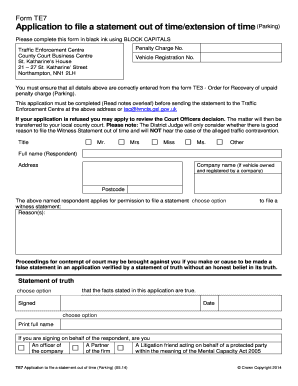
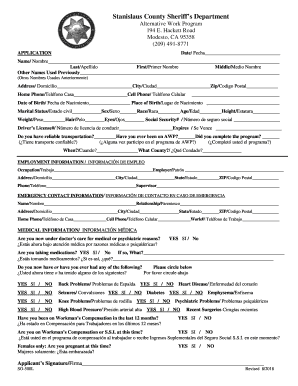
Complete Application Form: Fill out the application form thoroughly, ensuring all fields are completed accurately. Incorrect or incomplete information may result in delays or rejection.
-
Submission and Payment: Submit the application along with any required fees. Mind that these fees may be non-refundable, covering administrative processing costs.
-
Wait for Approval: After submission, the local department will review the application. This process may involve an on-site inspection to verify claims and assess the tree's condition.
-
Permit Issuance: If approved, a permit will be issued, often stipulating conditions such as tree replacement or adherence to environmental guidelines.
Required Documents for the California Removal Permit Application
Acquiring the necessary documents is a crucial part of the removal application process, ensuring that the municipality has all the required information to make an informed decision.
-
Proof of Ownership: Documents such as a deed or recent property tax statement to confirm ownership of the land where the tree is located.
-
Photographs and Assessments: Clear photographs that provide context for the tree's current state, as well as any professional assessments or recommendations by certified arborists.
-
Insurance Documents: Proof of liability insurance to cover any potential damage or claims arising from the removal process.
-
Replacement Plan: If applicable, a proposal for replacing the removed tree with a new planting, this can be part of broader environmental stewardship requirements by local authorities.
Legal Framework and Compliance Requirements
Understanding the legal context surrounding the removal of trees is integral to compliance and successful application processing.
-
Local Ordinances: These are specific laws enacted by municipalities to govern activities such as tree removal. Compliance with these ordinances ensures minimal legal issues.
-
Environmental Impact: Considerations related to the ecological impact of tree removal can affect the application outcome. Assess how removal might affect local wildlife or water management.
-
Penalties for Non-Compliance: Removing a tree without proper authorization can result in fines, legal action, or mandated replacement projects.
Who Typically Requires a California Removal Permit Application?
A broad array of individuals and organizations may need to file a removal permit application, each for unique reasons.
-
Property Owners: Those experiencing property damage due to tree roots or safety hazards.
-
Developers and Construction Companies: Entities needing to clear land for new construction projects must often apply for removal permits to comply with city planning requirements.
-
Municipal Bodies: Occasionally, public entities might need a permit to improve public safety or urban planning objectives.
Application Process and Approval Time
The timeframe for the application process can vary significantly based on local requirements, the complexity of the situation, and current regulatory workload.
-
Typical Approval Durations: Many municipalities aim to process applications within a few weeks, although this can extend to several months in busy periods.
-
Inspection Protocols: Some applications may trigger mandatory site inspections, extending the lead time before a decision can be reached.
Variants and Alternatives to the California Removal Permit Application
In some cases, a specialized form or alternative documentation might suffice, based on specific needs or urgency.
-
Emergency Removals: These might be processed differently, often bypassing some standard protocols to address immediate safety concerns.
-
Simplified Processes: For smaller or non-native trees, some cities offer streamlined documentation that can accelerate the disposal process.
Software and Digital Compatibility
Digital platforms like DocHub enhance the management and submission of permit applications by providing secure and efficient processing tools.
-
Document Integration: Integrate completed applications with cloud storage for seamless access and sharing.
-
Digital Signing: Use electronic signature capabilities to expedite approval workflows and enhance security.
By understanding these key components and effectively utilizing available resources, applicants can navigate the removal permit process with greater ease and compliance, ensuring smooth approval and execution.