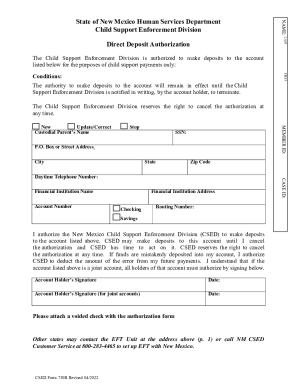
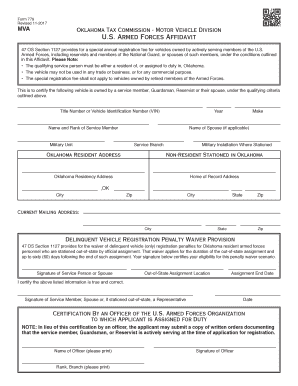
01. Edit your ilsos secretary of state online
Type text, add images, blackout confidential details, add comments, highlights and more.

Type text, add images, blackout confidential details, add comments, highlights and more.

Draw your signature, type it, upload its image, or use your mobile device as a signature pad.

Send business opportunity all online via email, link, or fax. You can also download it, export it or print it out.
The business opportunities statement sample serves as a critical document for those interested in evaluating potential business ventures. Its primary purpose is to offer insights into the inherent characteristics of a business opportunity, highlighting the key metrics and factors crucial for informed decision-making. Essentially, this statement acts as a foundational guide, outlining the financial health, market positioning, and potential risks associated with a business initiative. Understanding the core components of this statement can aid investors or entrepreneurs in distinguishing legitimate opportunities from scams, ensuring a thorough analysis before commitment.
Using a business opportunities statement sample involves several strategic steps. First, identify the business opportunity or venture you need to evaluate. Once identified, gather comprehensive data related to the opportunity, including market analysis, financial projections, and competitive positioning. Populate the statement sample with this data, ensuring each section accurately reflects the business's current and projected status. This often includes the addition of financial statements, SWOT analysis, and legal considerations. Finally, review the completed statement with a critical eye or a professional advisor to validate the accuracy and reliability of the data.
The business opportunities statement sample must comply with legal guidelines to ensure ethical and lawful use. It is crucial in the United States for these statements to adhere to the Federal Trade Commission rules that protect potential investors from misleading information and fraudulent schemes. This compliance includes providing full disclosure of the business opportunity's financial status, any risks involved, and the background of the promoters. Additionally, the statement should meet state-specific regulations, requiring checks with respective state securities departments for unique disclosure standards.
Consider a burgeoning tech startup seeking investors. The business opportunities statement could illustrate its innovative solution in the cybersecurity domain, highlight projected market growth, and detail its competitive advantage in algorithm development. Alternatively, a new organic food chain might use the statement to describe its sourcing processes, unique brand positioning, and growth in the health-conscious market segment. In both scenarios, providing a meticulously crafted business opportunities statement can significantly enhance clarity and credibility with potential stakeholders.
This document is principally utilized by entrepreneurs, business investors, and financial analysts. Entrepreneurs rely on the statement to attract funding and strategic partnerships by clearly presenting their business concept and growth strategy. Investors use the statement to evaluate potential returns and mitigate risks before purchasing shares or committing capital. Financial analysts might employ the statement to offer advisory services, ensuring their clients receive a comprehensive understanding of the business opportunity's viability and competitive positioning within the market.


We've got more versions of the ilsos secretary of state form. Select the right ilsos secretary of state version from the list and start editing it straight away!
| Versions | Form popularity | Fillable & printable |
|---|---|---|
| 2015 | 4.9 Satisfied (390 Votes) |
At DocHub, your data security is our priority. We follow HIPAA, SOC2, GDPR, and other standards, so you can work on your documents with confidence.