






Definition & Meaning
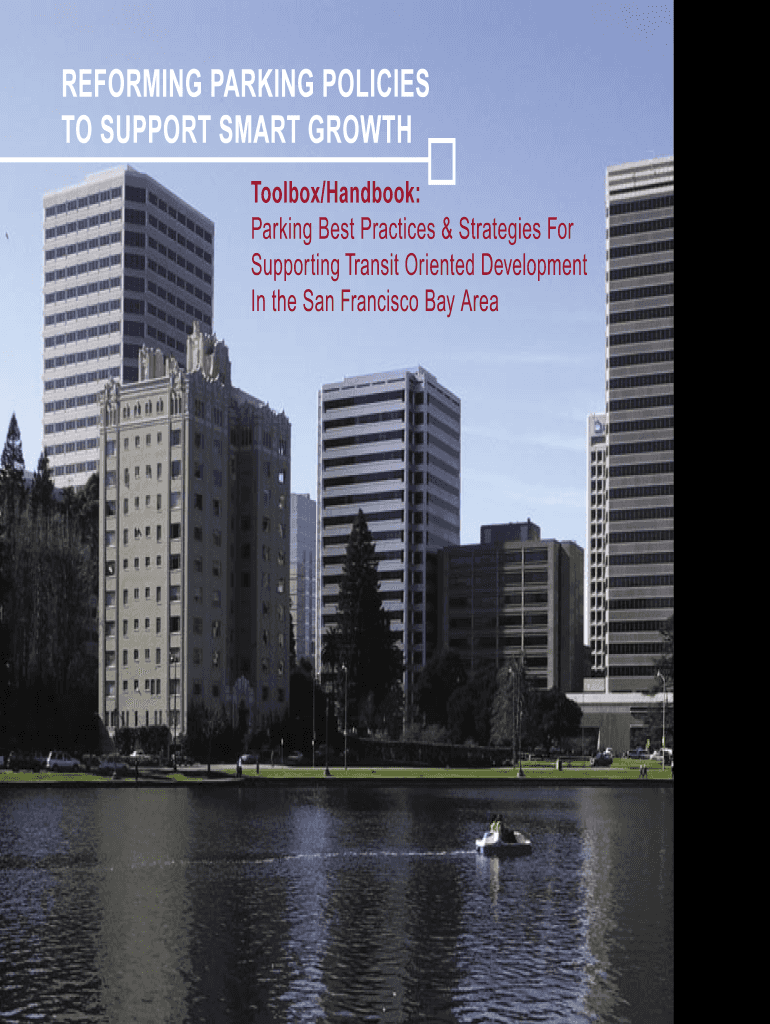
Reforming parking policies to support smart growth is a framework designed to enhance the development of metropolitan areas through the implementation of strategic parking regulations. It focuses on promoting efficient land use, reducing carbon footprints, and fostering sustainable urban growth. The concept emphasizes the connection between smart growth initiatives and parking policies, wherein the latter is adjusted to accommodate and stimulate the former. This involves revising parking standards to prioritize public transportation, walking, and cycling, rather than private car ownership, to create a more eco-friendly and accessible urban environment.
How to Use the Reforming Parking Policies to Support Smart Growth - Metropolitan
Using this form involves understanding and applying a set of criteria and strategies in urban planning. To effectively use the guidelines, urban planners and policymakers must:
- Gather data on current parking usage and transportation patterns.
- Engage stakeholders, including community members, business owners, and public officials, to gather diverse perspectives and build support.
- Analyze the data to identify areas with excessive parking or those lacking adequate transportation options.
- Develop a reform plan that tailors parking policies to support transit-oriented development (TOD) and smart growth principles.
- Implement pilot programs to test the effectiveness of revised parking policies.
- Continuously evaluate and adjust policies based on feedback and evolving urban needs.
These steps are designed to ensure that the integration of smart growth principles into parking policies is effective and responsive to the specific needs of metropolitan areas.
Why Should You Reform Parking Policies to Support Smart Growth
Reforming parking policies is crucial for fostering sustainable urban environments. This initiative supports:
- Reducing Automobile Dependency: Encourages the use of public transport, walking, and cycling by minimizing parking incentives for car users.
- Promoting Economic Development: Optimizes land use, freeing space for other valuable developments rather than parking lots.
- Enhancing Environmental Quality: Lessens traffic congestion and air pollution through a decreased reliance on individual vehicles.
- Improving Accessibility: Ensures equitable access to transportation options for all urban dwellers, including marginalized communities.
- Support for Transit-Oriented Development: Aligns parking policies with the goals of TOD, promoting higher density and mixed-use developments near public transit hubs.
By addressing these areas, parking policy reform can have a lasting positive impact on urban growth and quality of life.
Who Typically Uses the Reforming Parking Policies to Support Smart Growth - Metropolitan
The primary users of these guidelines are:
- Urban Planners: Professionals responsible for designing and managing urban areas to optimize living conditions and functional spaces.
- Policy Makers: Government officials and strategists who create regulations and policies that guide urban development.
- Environmental Advocates: Individuals and organizations pushing for policies that benefit the environment and promote sustainability.
- Transportation Agencies: Entities that oversee public transport systems and their integration with urban planning.
- Community Organizations: Local groups advocating for community needs and interests in urban growth plans.
These stakeholders play a key role in implementing effective parking policy reforms that align with broader urban development goals.


Important Terms Related to Reforming Parking Policies
Understanding key terms is critical for effective application of these policies:
- Smart Growth: Urban planning strategy aimed at sustainable economic growth and community-focused development.
- Transit-Oriented Development (TOD): Development that seeks to maximize residential, business, and leisure space within walking distance of public transport.
- Mixed-Use Development: Combining residential, commercial, and cultural uses within a single area or building to enhance accessibility and vibrancy.
- Stakeholder Engagement: The process of involving individuals and groups with an interest in the development process to ensure diverse input and support.
- Parking Minimums/Maximums: Regulations setting minimum or maximum limits on the number of parking spaces a development must include, influencing land use.
These terms provide a foundational understanding for engaging with parking policy reforms effectively.
Steps to Complete the Reforming Parking Policies Document
Completing the document involves several clear steps:
- Identify Existing Conditions: Assess current parking requirements and land use.
- Engage Stakeholders: Organize meetings and discussions with key parties to gather input and build consensus.
- Draft Policy Changes: Based on data and stakeholder input, draft proposed changes to parking policies.
- Conduct Impact Assessments: Evaluate the potential impacts of proposed changes on transportation patterns and urban development.
- Implement Revisions: Roll out new parking regulations gradually to assess their effectiveness.
- Monitor Outcomes: Continuously track the implementation results and make necessary adjustments.
Each of these steps ensures that the reform process is comprehensive, inclusive, and adaptive to changing urban dynamics.
Legal Use of the Reforming Parking Policies Document
Legally, reforming parking policies must adhere to:
- Local Zoning Laws: Ensure that any proposed changes comply with existing zoning regulations.
- State and Federal Transportation Guidelines: Align with broader transportation policies and funding eligibility requirements.
- Environmental Regulations: Consider federal and state laws regarding the environmental impact of urban developments.
Fulfilling these legal obligations is essential for the smooth implementation of reformed parking policies and for avoiding potential legal disputes.
Examples of Using the Reforming Parking Policies
Real-world applications of these policies include:
- San Francisco Bay Area: An example where communities have used strategic parking reform to support TOD and reduce car dependency.
- New York City's Vision Zero: Incorporates elements of parking reform to enhance pedestrian safety and promote sustainable transport.
- Portland, Oregon's Zoning Changes: Known for reducing parking minimums to stimulate affordable housing development and reduce car use.
These examples illustrate the diverse ways in which parking policy reforms can support smart growth in metropolitan areas.
State-Specific Rules for Parking Policy Reform
Parking policy reform must consider state-specific requirements:
- California's AB-744: Limits parking space mandates for developments near public transit, encouraging reduced car dependence.
- New Jersey's Complete Streets Policy: Requires consideration of all transportation modes, affecting parking requirements in new developments.
- Massachusetts' Smart Growth Zoning: Encourages designation of smart growth zones with flexible parking regulations to support TOD.
Each state's rules may differ significantly, requiring tailored approaches to policy reform that are compliant with local regulations.
Key Elements of Reforming Parking Policies
Central components of reformed parking policies include:
- Flexible Parking Standards: Adjust requirements based on contextual needs and transportation alternatives.
- Demand Management Strategies: Implement pricing policies and incentives to regulate parking demand.
- Accessible Infrastructure: Ensure infrastructure supports alternative modes of transportation like cycling and walking.
- Technology Integration: Use technology for real-time parking management and data collection to inform decisions.
- Community and Stakeholder Involvement: Keep a continuous dialogue with stakeholders to align policies with community needs and preferences.
These elements work in concert to create a dynamic and responsive framework for parking management that supports smart growth.