Definition and Meaning
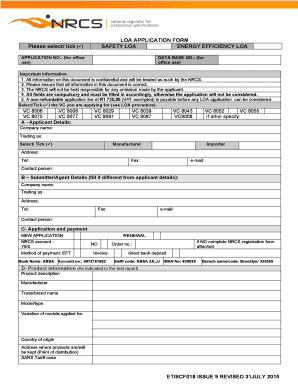
The "Bond Lodgement Form - Tenancy Services" serves as a critical document for property rentals in the United States, used to manage security deposits between landlords and tenants. This form records the financial security held by the landlord to cover potential property damages or unpaid rent. The document ensures that all parties involved have a mutual understanding of the bond's terms and conditions, providing a standardized way to document this transaction in legal terms.
Key Aspects of Bond Lodgement
- Purpose: To formalize the security deposit agreement between tenant and landlord.
- Content: Includes tenant information, property address, bond amount, and signatures from all involved parties.
- Legal Protection: Offers coverage for landlords in case of damages or tenant default, and certifies tenant's rights regarding the bond.
Steps to Complete the Bond Lodgement Form
Gathering Necessary Information
Before starting the form, collect all relevant details, including:
- Tenant Details: Full name, contact information, and identification.
- Property Details: Address, lease start date, and duration.
- Bond Amount: Specified deposit sum agreed upon by both parties.
Filling Out the Form
- Enter Tenant Information: Carefully fill out names and contact details to ensure accuracy.
- Property Description: Provide complete address and specifics about the leasing conditions.
- Define Bond Amount: Enter the security deposit and any special terms regarding its return.
- Signature Section: Ensure all necessary parties sign the document to validate it.
Submission
- Document Verification: Double-check each entry for accuracy before submission.
- Methods of Submission: Forms can typically be filed online or through mail, depending on state-specific regulations.
Important Terms Related to the Bond Lodgement Form
Key Vocabulary
- Security Deposit: A monetary requirement by the landlord, held in trust during the rental period.
- Tenant-Landlord Agreement: Legal understanding specifying rights and responsibilities.
- Lease Duration: The length of time the rental agreement is in effect.
Understanding Legal Terminology
- "Lodgement": The act of depositing or submitting the bond for legal recognition.
- "Tenancy Services": Entities or services involved in overseeing rental agreements and related legalities.
How to Obtain the Bond Lodgement Form
Online Access
- State Websites: Most states offer downloadable forms directly through their housing authority websites.
- Tenant Services Platforms: Platforms like DocHub provide digital access to forms and tools for easy completion online.
Physical Access
- In-Person Collection: Available at local housing offices or landlord associations for tenants who prefer a physical copy.
Legal Use of the Bond Lodgement Form
Compliance with State Laws
- Mandatory Form: In many states, it is required by law to lodge a bond using this form to ensure transparency and legal compliance.
- Documentation of Obligation: This form serves as a legal record, acknowledging the tenant's obligation and the landlord's right to hold a bond.
Legal Recourse
- Dispute Resolution: Acts as evidence should disputes arise regarding bond return or application.
- Regulations on Handling Bonds: Provides guidelines on lawful collection, holding, and returning of bond money.
Examples of Using the Bond Lodgement Form
Scenario: New Tenant Agreement
When a new tenant moves into a residential property, the Bond Lodgement Form is filled out and signed, facilitating the transfer and formal record of the security deposit.
Scenario: Termination or Renewal of Lease
This form is utilized to reconcile the bond account at the end of a lease, or its details may adjust upon renewal, ensuring both parties' rights and obligations are clear and up to date.

Who Typically Uses the Bond Lodgement Form
Primary Users
- Landlords: To document the receipt and terms of security deposits.
- Tenants: To ensure protection of their financial interests during the tenancy.
- Property Managers: To maintain compliance and transparency in rental agreements.
Professional Applications
Real estate agents and legal professionals may assist in completing these forms to ensure compliance with all necessary legal requirements, offering peace of mind to both landlords and tenants.
Key Elements of the Bond Lodgement Form
Mandatory Sections
- Identification Information: Essential for legal tracking and accountability.
- Bond Amount and Conditions: Clearly specifies the terms and amount of the security deposit.
- Signatures: Formalizes the agreement, making it legally binding.
Optional Additions
- Special Conditions: Additional clauses or stipulations relevant to the specific rental agreement.
- Supplementary Information: Any additional details that may impact how the bond is managed or returned.