




Definition and Purpose of the Legal Aid Application Form
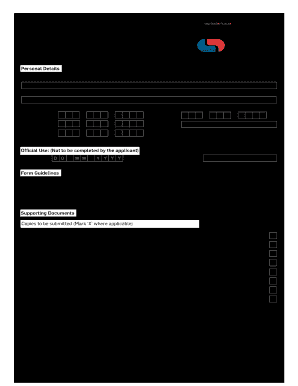
The format of legal aid application in Hindi is designed for individuals who wish to serve as legal aid counsel in various tribunals and commissions. This application form is crucial for attorneys aiming to assist those in need of legal services, often at no cost to the client. The form collects essential details to assess the suitability and qualifications of applicants. By standardizing this application format in Hindi, it ensures accessibility and comprehension for Hindi-speaking applicants, encouraging broader participation in legal aid programs.
Key Elements of the Legal Aid Application Form
This form has several important sections that require detailed information from the applicant:
- Personal Information: Includes name, address, contact details, and any identification numbers necessary for legal verification.
- Educational Background: Applicants must list their legal education credentials, such as degrees and certifications related to law.
- Professional Experience: This section requires a comprehensive account of the applicant's work history in the legal field, including previous roles as a legal aid counsel if applicable.
- Declarations: Applicants must declare their eligibility for the role, emphasizing aspects like integrity, ethical standards, and any previous legal misconduct.
Steps to Complete the Application Form
Filling out the legal aid application form requires careful attention to detail:
- Gather Required Documents: Applicants should have all necessary documentation ready, such as educational certificates, ID proofs, and professional references.
- Fill Out Personal Details: Begin with the personal information section, ensuring accuracy in names and contact details.
- Detail Educational Qualifications: Clearly list all academic qualifications with their respective institutions and graduation dates.
- Outline Professional Experience: Provide precise details of past legal work, highlighting roles that involved legal aid work.
- Complete Declarations: Read all declarations carefully before signing. Ensure that all statements made are true to the best of your knowledge.
- Review the Completed Form: Double-check the entire application to ensure all fields are correctly filled and nothing is missing.
Important Terms Related to the Legal Aid Application
Understanding the terminology used in the legal aid application form is vital:
- Empanelment: Refers to the inclusion of an applicant on the panel to serve as a legal aid counsel.
- Tribunals: Specialized judicial bodies that have authority over specific matters, such as industrial disputes or administrative decisions.
- Commissions: Government-appointed bodies that manage regulatory oversight and provide findings on various issues.
Legal Use and Compliance of the Application Form
The legal aid application form serves as an official document within the U.S. legal framework. Applicants must ensure compliance by providing truthful and complete information. Legal penalties might apply for falsifying information or submitting fraudulent credentials, reinforcing the importance of honesty throughout the application process.
Who Typically Uses the Legal Aid Application Form
This form is primarily used by legally-trained individuals seeking to provide pro bono services. These are typically lawyers, or law graduates who meet specific eligibility criteria related to experience and education. They aim to assist citizens in need and ensure equitable access to justice.


Application Process and Approval Time
The process for reviewing and approving a legal aid application can vary:
- Initial Submission: After completing and submitting the form, an acknowledgment receipt may be issued.
- Review Period: This can range from a few weeks to a couple of months, depending on the workload and procedures of the reviewing body.
- Approval Notification: Applicants are informed of the decision via mail or email, with instructions for next steps or onboarding if approved.
Who Issues the Legal Aid Application Form
This application is usually issued by state legal aid departments, judicial authorities, or commissions responsible for managing legal aid programs. They ensure that the form aligns with both state and federal legal requirements and that it is accessible in multiple languages, including Hindi, to cater to diverse applicants.
State-Specific Rules and Differences
While the core structure of the legal aid application form remains consistent, certain states may have additional requirements:
- Supplementary Documents: Some states might require extra documentation, such as state bar licenses or affidavits of non-involvement in criminal activity.
- Local Tribunals and Commissions: Applicants should be aware of any specific local tribunals or commissions that may have unique criteria or needs.
- Language Support: Depending on state demographics, availability in other languages beyond Hindi and English might be supported.
This content provides a comprehensive guide to understanding, using, and completing the format of legal aid application in Hindi. It covers essential areas of the application process, ensuring potential legal aid providers are well-informed.