Definition & Meaning
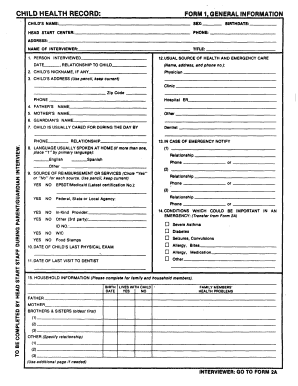
The Case File Audit Form doc is an essential tool used to evaluate the performance of case management services. It sets standards and criteria to assess various aspects of case handling, ensuring comprehensive documentation and quality service delivery. Typically employed in legal, healthcare, and social services sectors, this form aids in evaluating client intake procedures, documentation accuracy, fiscal accountability, assessment strategies, and service interventions. The audit process aims for a systematic review and compliance, ultimately enabling organizations to improve their service quality and ensure clients receive optimal care.
Key Elements of the Case File Audit Form doc
The Case File Audit Form doc is structured into multiple sections, each dedicated to a specific facet of case management evaluation:
-
Client Intake: Assesses the initial process of client engagement and data collection, ensuring thorough and compliant documentation.
-
Documentation Accuracy: Evaluates the precision and completeness of client records, focusing on adherence to standard procedures.
-
Fiscal Accountability: Reviews financial aspects of case management, ensuring budget adherence and transparent financial reporting.
-
Care Plan Implementation: Examines strategic application and management of care plans, emphasizing timely and effective execution.
Each section consists of specific items scored based on compliance, with a total possible score helping organizations determine areas needing improvement.
How to Use the Case File Audit Form doc
To effectively employ this form, follow these sequential steps:
- Gather Necessary Data: Collect all relevant client information, documentation, and case records.
- Review Each Section Thoroughly: Go through each criterion within the form, ensuring each item is assessed accurately.
- Evaluate Compliance: Score each item based on its level of adherence to standard procedures.
- Summarize Findings: Compile the scores to derive an overall performance rating, offering insights on areas for improvement and compliance enhancement.
- Develop Action Plans: Based on findings, create action plans for addressing gaps and enhancing service delivery.
Steps to Complete the Case File Audit Form doc
Step 1: Preparation
Before starting the audit, ensure you have access to all relevant client case files, previous audits, and necessary documentation. Understanding context and prior evaluations provides a foundation for accurate assessment.
Step 2: Section-by-Section Assessment
-
Client Intake Process: Verify initial contact documentation, intake forms, and corresponding entries for accuracy and completeness.
-
Documentation Review: Check records for consistency, detailed case notes, and proper file maintenance.
-
Financial Evaluation: Review budget allocations, financial reports, and any fiscal documentation pertinent to the case.
Step 3: Scoring and Analysis
Using the form's scoring system, evaluate each section. Allocate scores based on criteria compliance and summarize results to identify strengths and improvement areas.
Step 4: Reporting
Compile findings into a comprehensive report. This should include a breakdown of scores, identified issues, recommendations, and action plans for enhancement.
Benefits of Using the Case File Audit Form doc
-
Improved Compliance: Ensures all case management operations align with regulatory and organizational standards.
-
Quality Assurance: By identifying gaps and areas for improvement, the form helps elevate the overall quality of service delivery.
-
Efficiency in Operations: Streamlines the auditing process, allowing for efficient evaluations and targeted managerial attention.
-
Risk Management: By highlighting non-compliance areas, organizations can proactively address potential risks before they escalate.
Who Typically Uses the Case File Audit Form doc
This form is primarily used by:
-
Case Managers: To ensure ongoing compliance and identify areas for service improvement.
-
Compliance Officers: For regular checks on adherence to policies and regulations within case management departments.
-
Quality Assurance Teams: To gather data for developing strategies aimed at enhancing service delivery and client satisfaction.

Important Terms Related to the Case File Audit Form doc
-
Compliance: Adhering to established guidelines and requirements.
-
Audit Trail: Documentation of the evaluation process, ensuring transparency.
-
Fiscal Accountability: Managing and reporting financial resources effectively and transparently.
-
Intervention Strategy: Plans implemented to address client needs and achieve optimal outcomes.
Legal Use of the Case File Audit Form doc
The Case File Audit Form doc not only ensures high service standards but also aids in legal compliance. Proper usage of this form facilitates:
-
Regulatory Adherence: Compliance with state and federal laws governing case management and client confidentiality.
-
Documentation Integrity: Maintains accurate and detailed records crucial for legal protection and accountability.
By integrating this systematic auditing tool into daily operations, organizations can confidently deliver high-quality, compliant services.