






Definition & Meaning
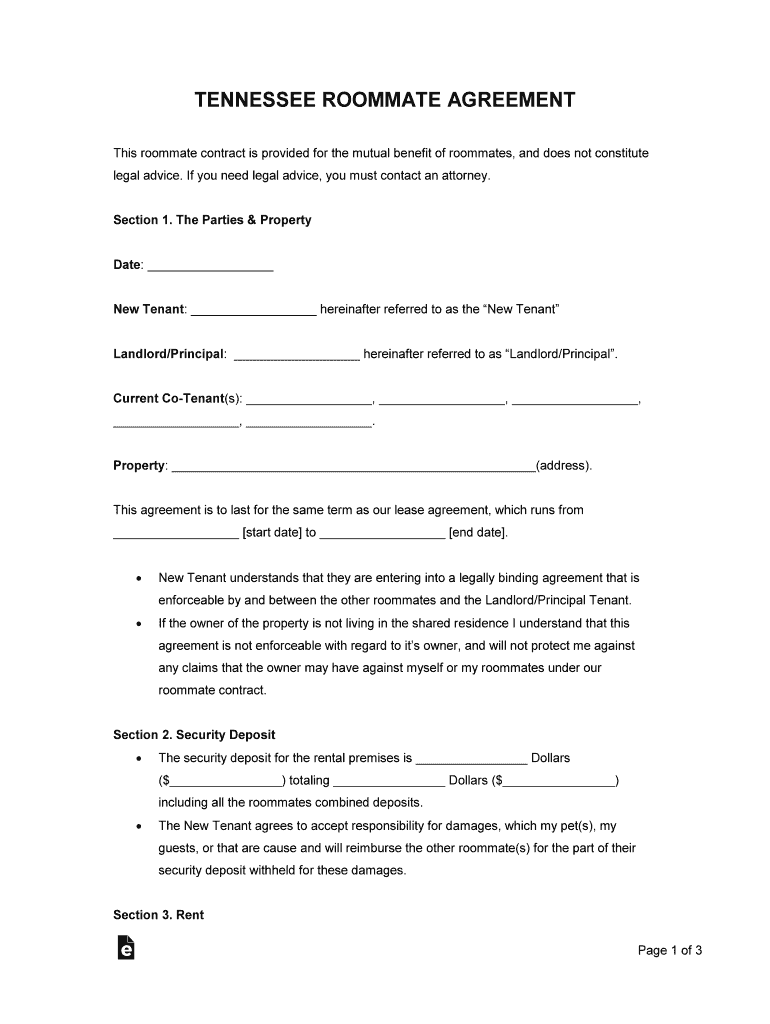
The Tennessee Rental Lease Agreements Residential - eForms are legally binding documents that set the terms and conditions for renting residential property in Tennessee. Designed for landlords and tenants, they outline essential details such as the rental period, payment terms, and responsibilities of both parties involved. These agreements play a critical role in establishing mutual understanding and avoiding potential disputes by clearly stipulating the rights and obligations of each party within the rental relationship.
Importance of Clear Terms
Having clear terms in a rental lease agreement is fundamental. It provides comprehensive coverage of conditions related to property maintenance, rent adjustments, and security deposits. The agreement minimizes ambiguities by specifying all relevant aspects, ensuring that both landlord and tenant are fully aware of their commitments and rights under Tennessee law.
Key Elements of the Tennessee Rental Lease Agreements Residential
Essential Clauses
- Parties Involved: Specifies both the landlord's and tenant's names, ensuring legal responsibility for the property.
- Property Description: A clear description of the rental property, including its address and unit number, if applicable.
- Lease Term: Defines the start and end date of the lease, setting the duration of tenancy.
- Rent Details: Includes the amount of rent, payment due dates, acceptable payment methods, and any late fees.
- Security Deposit: Outlines the amount required, its purpose, and conditions under which it will be returned.
- Maintenance and Repairs: Assigns responsibilities for property maintenance and procedures for reporting and conducting repairs.
Additional Provisions
- Pet Policies: States if pets are allowed and any associated fees or restrictions.
- Termination Conditions: Details conditions under which the lease may be terminated early by either party.
- Utilities and Services: Specifies which utilities are included in the rent and those that the tenant is responsible for.
How to Use the Tennessee Rental Lease Agreements Residential - eForms
Steps to Utilize
- Download and Review: Obtain the form from a reliable source and carefully review it to ensure all sections are correctly filled in.
- Customization: Modify the template to include specifics related to your lease agreement, ensuring compliance with Tennessee laws.
- Consultation: Consider consulting with a legal professional to verify that all necessary clauses are included and that the agreement protects your interests.
- Signing: Both the landlord and tenant should sign the completed form, with signatures witnessed if required by state law.
Practical Examples
- A landlord renting out a single-family home in Nashville can use this form to establish legally binding terms with a potential tenant.
- Tenants looking to protect their rights while renting an apartment in Memphis can insist on a standardized lease utilizing this form to ensure fair treatment.
State-Specific Rules for the Tennessee Rental Lease Agreements Residential
Tennessee Legal Requirements
- Notice Periods: According to Tennessee law, landlords must provide a minimum of 30 days' notice for non-renewal of a yearly lease, ensuring tenants have adequate time to make new living arrangements.
- Tenant Rights: The lease must respect the tenant's rights to privacy and habitable living conditions, as dictated by state regulations.
- Deposit Handling: Tennessee mandates that security deposits are held in a separate account and landlords must provide a written account of any deductions.
Compliance with State Laws
Ensuring compliance with these rules is vital for both landlords and tenants to avoid legal issues. Periodic updates to the lease form may be necessary to align with any legislative changes in Tennessee.
Legal Use of the Tennessee Rental Lease Agreements Residential
Binding Nature
These agreements are legally enforceable, meaning that any breach of its terms can be taken to court for resolution. The legal nature of the form helps protect both parties from unforeseen liabilities and disputes.
Enforcement Scenarios
- Non-Payment of Rent: Provides legal recourse for landlords in case tenants fail to pay rent as agreed.
- Property Damage: Outlines consequences and remedies for willful or negligent damage to the property by tenants.
Steps to Complete the Tennessee Rental Lease Agreements Residential - eForms
Comprehensive Process
- Gather Required Information: Collect all essential details such as contact information, property address, and term specifications.
- Fill Out the Form: Enter all necessary data into the appropriate sections of the eForms template.
- Verification: Double-check for accuracy and completeness in all sections before finalizing.
- Approval and Signature: Secure signatures from all parties involved and provide copies to each.
Step-by-Step Guidance
- Section-by-Section Review: Ensure each required segment of the form is completed to prevent omissions.
- Verification Checklist: Utilize a checklist to confirm that all legal and personal information is accurately documented.
Who Typically Uses the Tennessee Rental Lease Agreements Residential - eForms

Common Users
- Landlords: Essential for landlords who need a standardized way to legally contract tenants.
- Property Management Companies: Utilized by property managers to maintain consistency across multiple rental agreements.

Tenant Applications
- Prospective Tenants: Potential renters who desire clear documentation of their renting terms can benefit from this form.
Important Terms Related to Tennessee Rental Lease Agreements Residential - eForms
Definitions and Explanations
- Lease Term: Duration for which the rental agreement is valid.
- Holdover Tenant: A tenant who remains in the property after the lease term has expired.
- Subletting: The act of the tenant renting out the property to another party, usually requiring landlord approval.
Examples and Context
Understanding these terms is crucial for effective negotiation and agreement enforcement. Tenants and landlords should familiarize themselves with these elements to avoid confusion and ensure the terms are mutually beneficial.